
What is Spot Perm | How to do Spot Perm | Cost and Kits


Perms remain popular despite the fact that chemical treatments can make hair dry and brittle. The allure of beautiful, voluminous curls keeps people coming back. Whether you have straight, lifeless hair or uneven texture, perms offer a semi-permanent solution to transform your look.
Men and women choose from various perms that suit their hair type and face shape. These chemical treatments change hair structure from flat and boring to full and dramatic. But not everyone needs a full head perm.
| Photo | Popular Hair Product | Price |
|---|---|---|

|
Kkioor 24 Inch Chocolate Brown Human Hair Wig 200 Density Body Wave Lace Front Wigs Human Hair Pre Plucked 13X4 HD Frontal Wig 4# Colored Brown Wig For Women Glueless Wigs | Check Price On Amazon |

|
KingSup 613 Lace Front Wig Human Hair Pre Plucked 250 Density 26 Inch 5x5 HD Lace Closure Straight Blonde Wig Human Hair, 100% Real Human Hair without Synthetic Blend Tangle Free Triple Lifespan 3X | Check Price On Amazon |
|
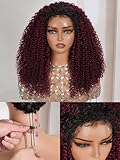
WIGCHIC 16" Kinky Curly Half Wig Human Hair Burgundy & Dark Roots | Flip-Over Drawstring | Seamless 4C Hairline | True Length | 3-in-1 Styling | Beginner Friendly (T1B/99J) | Check Price On Amazon |

|
Hair Removal Cream for Men & Women: Painless Depilatory for Sensitive Skin & Intimate Areas, Moisturizing with Aloe Vera & Vitamin E, Safe for Face, Underarms, Bikini, Arms (3.7 Fl Oz (Pack of 2)) | Check Price On Amazon |
|
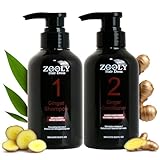
ZOOLY PROFESSIONAL Ginger Shampoo and Conditioner Sets 20.3 Fl Oz- Anti Hair Loss and Nourishes Hair Roots, Salon Level Scalp Care for Men and Women | Check Price On Amazon |

|
LUSN Baby Hair Clippers with Vacuum, Quiet Hair Trimmers for Kids, IPX7 Waterproof Rechargeable Cordless Haircut Kit for Baby Children Infant | Check Price On Amazon |
|
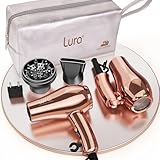
LURA Dual Voltage Travel Hair Dryer with Diffuser,Travel Blow Dryer Mini with EU Plug and UK Plug,Lightweight Portable Hairdryers with Folding Handle,1200W Compact Small Blowdryers for Women | Check Price On Amazon |
Spot perm targets only specific areas of your hair that need help. This focused approach costs less, takes less time, and exposes less of your hair to chemicals. If you have uneven texture or flat spots mixed with natural curl, spot perming might be exactly what you need.
What is Spot Perm?
A spot perm is a selective perming technique. Rods are placed only in certain areas of your hair to create curls where you need them most. The rest of your hair stays untreated.
This method works best for people with uneven hair texture. Maybe one side of your head has natural wave while the other side lies flat. Or perhaps your crown area lacks volume while the rest has body. Spot perm brings uniformity to all your strands.
The process follows similar steps to other perm techniques. You still use chemical solution and neutralizer. You still wrap hair around rods. But you only treat the problem areas.
This targeted approach offers several advantages. Less of your hair faces chemical exposure, which means less damage overall. The process takes less time because you work on smaller sections. And it costs less than a full perm since you use fewer materials and less salon time.
Who Should Get a Spot Perm?
Spot perm works well for several situations:
- Uneven texture: One side curly, one side straight
- Flat crown: Top of head lacks volume while sides have body
- Layered cuts: Different layers have different curl patterns
- Growing out a perm: New growth is straight while ends stay curly
- Thinning areas: Certain spots need extra volume and fullness
- Specific style needs: You want curls only around your face or at the ends
How Spot Perm Works: The Science
Spot perm uses the same chemistry as regular perms. The chemical solution breaks down disulfide bonds in your hair. These bonds give hair its natural shape. Once broken, your hair can be reshaped around rods.
The neutralizer then reforms these bonds in the new curled position. This locks in the curl pattern. Because you only treat certain sections, those areas get curly while untreated sections keep their natural texture.
The key is blending. Your stylist must place rods carefully so treated areas blend smoothly with untreated areas. Good technique creates seamless transitions that look natural.
How to Do a Spot Perm: Step-by-Step Guide
You can get a spot perm at a salon or do it yourself at home with a perming kit. The process requires specific products and careful technique.
What You Need
Before you start, gather these supplies:
- Perm solution (choose cold wave or acid perm based on hair type)
- Neutralizer
- Perm rods (various sizes depending on desired curl)
- End papers
- Sectioning clips
- Applicator bottle or sponge
- Plastic cap
- Timer
- Towels (old ones that can get stained)
- Clarifying shampoo
- Wide-tooth comb
- Petroleum jelly or barrier cream
- Gloves

Step 1: Shampoo and Prepare
Wash your hair with clarifying shampoo. This removes all oil, dirt, product buildup, and minerals. Clean hair lets the perm solution penetrate evenly.
Do not use conditioner. Conditioner coats hair and blocks chemical penetration.
Towel dry until hair is damp, not dripping. Hair should be wet enough to work with but not soaking. Let it air dry for 5-10 minutes if too wet.
Gently comb through with a wide-tooth comb to remove tangles. Start at the ends and work up to roots to avoid breakage.
Apply petroleum jelly or barrier cream around your hairline, ears, and neck. This protects skin from chemical burns.
Step 2: Section Your Hair
Identify which areas need perming. Look in the mirror and note where your hair lacks volume or has different texture.
Divide your entire head into sections using clips. Even if you only perm certain areas, sectioning everything keeps hair organized and prevents tangles.
Typical sectioning creates 4-6 major zones: top, sides, back. Within the zones you plan to perm, create smaller subsections about 1-2 inches wide.
Each subsection should be no wider than the length of your perm rod. This ensures even wrapping and consistent results.
Step 3: Wind Hair on Rods
Start with the target areas you identified. Take one small subsection from the area you want to perm.
Place an end paper at the tip of the hair section. End papers prevent fishhook ends and help hair wrap smoothly.
Position the rod at the ends and roll toward the scalp. Keep tension even but not tight. Hair should wrap flat against the rod without bunching.
The size of rod determines curl size. Small rods (pencil-sized) create tight curls. Medium rods create standard curls. Large rods (thumb-sized or bigger) create loose waves.
Secure each rod close to the scalp using the rod’s fastener. Rods should sit firmly but not pull on your scalp.
Repeat only in the sections that need perming. Leave other areas unwrapped. This is what makes spot perm different from full perm.
For best blending, consider wrapping a few transitional rods between permed and non-permed sections. Use larger rods in these areas for gentle waves that blend textures.
Step 4: Apply Perm Solution
Read your perm solution instructions carefully. Different products have different application methods and timing.
Put on gloves to protect your hands from chemicals.
Drape an old towel around your neck and shoulders. Perm solution can damage clothing.
Apply solution to each rod thoroughly. Saturate the hair completely. Use an applicator bottle to squirt solution directly onto rods, or use a sponge to dab it on.
Work in circular motions to ensure even coverage. Every strand on every rod should be completely wet with solution.
Be careful not to get solution on the unwrapped sections. If you accidentally do, rinse immediately with water.
Once all target rods are saturated, cover your hair with a plastic cap. This holds in heat and moisture for even processing.
Step 5: Process and Test
Set a timer according to your product instructions. Most perms process for 15-25 minutes. Fine hair processes faster. Thick, coarse hair takes longer.
Never leave perm solution on longer than the maximum time stated on the package. Over-processing causes severe damage and breakage.
After the minimum processing time, unwrap one rod to test the curl. Hair should form an S-pattern when gently pushed toward the scalp.
If the curl looks loose, re-wrap that section and process a few more minutes. Test again before the maximum time expires.
When curls form properly, rinse thoroughly with warm water. Rinse for at least 5 minutes. Do not remove rods. Water should run clear.
Step 6: Neutralize
Blot excess water from the rods with a towel. Hair should be damp but not dripping.
Apply neutralizer to each rod. Saturate completely, just as you did with the perm solution. Neutralizer stops the chemical process and locks in your new curl pattern.
Leave neutralizer on for the time specified in your product instructions. This is usually 5-10 minutes.
Carefully remove all rods. Try not to pull or disturb the curl pattern as you unwrap.
Apply more neutralizer to the unwrapped curls. Work it through gently with your fingers.
Wait another 5 minutes, then rinse thoroughly with cool water. Rinse until water runs completely clear.
Step 7: Condition and Style
Apply a moisturizing conditioner or deep conditioning treatment. Permed hair needs extra moisture.
Leave conditioner on for 3-5 minutes, then rinse with cool water.
Gently squeeze out excess water. Do not rub with a towel, as this causes frizz.
Let hair air dry or use a diffuser on low heat. Avoid brushing. Use your fingers to separate and define curls.
Do not wash hair for 48 hours after perming. This gives curls time to fully set.
Spot Perm on Short Hair
Short hair benefits greatly from spot perm. The technique adds bounce, volume, and texture exactly where needed.
Best Placement for Short Hair
For short styles, consider these strategic placements:
- Crown area: Adds height and volume at the top
- Sides: Creates fullness and prevents flat, limp sides
- Nape: Gives texture to the back for styles like pixie cuts
- Bangs: Adds body to flat fringe without full head curl
Rod Size for Short Hair
Short hair requires careful rod selection. Hair length limits your options. As a guide:
- Hair 2-3 inches long: Use small to medium rods
- Hair 4-5 inches long: Medium rods work best
- Hair 6+ inches: You can use medium to large rods
Remember that curls shrink hair length. A loose wave preserves more length than tight curls. Choose rod size based on how much length you want to keep.
Styling Tips for Short Spot Perms
Short permed hair needs specific care:
- Use lightweight styling products that won’t weigh down short curls
- Scrunch hair while drying to enhance curl definition
- Get trims every 4-6 weeks to maintain shape
- Sleep on a silk pillowcase to prevent frizz
- Refresh curls between washes with a spray bottle of water
Short spot perms create the illusion of thicker, fuller hair. Even if only some sections have curl, the added texture makes hair look more voluminous overall.
Spot Perm for Long Hair
Long hair presents unique challenges for spot perm. The technique takes more time and requires extra precision. But results can be stunning when done correctly.
Common Reasons for Spot Perm on Long Hair
People with long hair choose spot perm for several reasons:
- Uneven layers: Different layers have different textures that don’t blend
- Perm grow-out: Roots are straight while old perm remains on ends
- Natural curl variation: Some sections are wavy while others are straight
- Flat top: Crown lacks volume while length has natural body
- Ends only: You want curled ends but straight roots for easier styling
Technique Considerations for Long Hair
Spot perming long hair requires extra attention:
Sectioning matters more: You must section carefully. Each layer needs proper placement. Poor sectioning creates obvious lines between permed and non-permed areas.
Application must be even: Long hair uses more solution. Apply evenly to all rods. Uneven application creates inconsistent curl patterns that stand out more on long hair.
Blending is critical: The transition between permed and natural sections must be seamless. Use varying rod sizes in transition zones. Alternate between permed and skipped sections for gradual blending.
Processing time increases: Longer, thicker hair may need more processing time. But never exceed maximum time on the package. Better to under-process slightly than over-process.
Rod Placement Patterns for Long Hair
Different placement patterns achieve different looks:
Scattered placement: Perm random sections throughout for natural-looking texture variation
Lower half only: Perm from mid-length to ends while leaving roots straight for easy maintenance
Layer matching: Perm specific layers that need to match others
Frame perming: Perm only front sections that frame the face
Maintenance for Long Spot Perms
Long permed hair needs dedicated care:
- Deep condition weekly to prevent dryness
- Use sulfate-free shampoo to preserve curl
- Apply leave-in conditioner to ends daily
- Get regular trims to prevent split ends from traveling up
- Sleep with hair in a loose braid or pineapple to prevent tangling
- Use curl-enhancing products designed for permed hair
Spot Perm Cost: What to Expect
Spot perm costs less than a full perm. Prices vary based on several factors.
Average cost ranges from $30 to $150. Most people pay between $50 and $100.
Factors That Affect Cost
Hair length: Longer hair costs more. It requires more product, more rods, and more time. Short spot perms may cost $30-60. Long hair spot perms may reach $100-150.
Hair thickness: Thick, dense hair needs more solution and takes longer to process. This increases cost by $10-30.
Salon location: Urban salons charge more than rural ones. High-end salons in major cities may charge $150 or more. Small-town salons may charge as little as $30-50.
Stylist experience: Experienced stylists charge higher rates. A master stylist may charge $100-150. A junior stylist may charge $30-60. However, experienced stylists often deliver better results.
Amount of hair permed: Perming just the crown costs less than perming multiple sections. Small areas may add only $20-40 to a service. Perming half your head approaches full perm pricing.
Products used: Premium perm solutions cost more. Acid perms and specialty formulas increase price. Basic cold wave perms cost less.
Salon vs. At-Home Cost
Professional salon spot perm: $50-150
At-home spot perm kit: $8-25
Doing it yourself saves significant money. However, DIY perms risk uneven results, over-processing, or poor curl formation. Your first spot perm should be professional. Once you understand the technique, you might try at home.
How to Save Money
- Look for beauty school services (students work under supervision for $15-40)
- Book with junior stylists at salons (they charge less but still deliver good results)
- Watch for salon promotions and first-time customer discounts
- Do it at home after learning proper technique
- Maintain your perm well so it lasts longer between services
Additional Costs to Consider
The perm itself is not your only expense:
- Tip: 15-20% of service cost ($8-30)
- Special shampoo: $10-25 per bottle
- Conditioning treatments: $15-30 monthly
- Styling products: $10-40 for curl enhancers and leave-in treatments
- More frequent trims: $20-50 every 6-8 weeks to maintain shape
Spot Perm vs. Other Perm Types
Understanding how spot perm compares to other perming techniques helps you choose the right option.
Spot Perm vs. Spiral Perm
Spiral perm creates dramatic corkscrew curls throughout your entire head. Rods are positioned vertically for tight, springy ringlets.
Spot perm treats only selected areas. It creates uniform texture, not extreme curls.
Best for:
- Spiral perm: People who want dramatic curly hair, especially those with long hair who want ringlets
- Spot perm: People who want to fix uneven areas and create subtle uniformity
Time required:
- Spiral perm: 3-5 hours (entire head must be wrapped vertically with many small rods)
- Spot perm: 1-2 hours (only target areas are wrapped)
Cost comparison:
- Spiral perm: $80-300 depending on length and salon
- Spot perm: $30-150, usually on the lower end
Maintenance:
- Spiral perm: High maintenance, requires specific products and styling techniques daily
- Spot perm: Lower maintenance, blends with natural texture
Results:
- Spiral perm: Tight, defined ringlets throughout
- Spot perm: Subtle waves or curls in target areas that blend with natural hair
Spot Perm vs. Root Perm
Root perm treats only the roots and crown area. It adds volume and lift at the scalp while leaving mid-lengths and ends untouched.
Spot perm can be placed anywhere, including mid-shaft or ends only.
When to choose root perm: You have curly or wavy hair but flat roots, or you want lasting volume at the crown.
When to choose spot perm: You have uneven texture in various areas, not just at roots.
Spot Perm vs. Beach Wave Perm
Beach wave perm creates loose, tousled waves throughout your entire head. It mimics the natural texture you get from spending a day at the beach.
Spot perm can create similar waves but only where you need them.
Choose beach wave perm if: Your entire head is straight and you want all-over loose waves.
Choose spot perm if: Most of your hair has acceptable texture but certain areas need enhancement.
Comparison Table
| Feature | Spot Perm | Spiral Perm | Root Perm | Full Body Wave |
|---|---|---|---|---|
| Coverage | Selected areas only | Entire head | Roots/crown only | Entire head |
| Time | 1-2 hours | 3-5 hours | 1-2 hours | 2-3 hours |
| Cost | $30-150 | $80-300 | $40-100 | $60-200 |
| Curl Type | Varies by rod choice | Tight corkscrews | Volume lift, not curls | Loose waves |
| Maintenance | Low to moderate | High | Low | Moderate |
| Best For | Uneven texture | Dramatic curl lovers | Flat roots | All-over wave |
| Damage Level | Lower (less hair treated) | Higher (all hair treated) | Lower (small area) | Moderate to high |
How Long Does Spot Perm Last?
Spot perm lasts 3-6 months on average. Several factors influence longevity.
Factors That Affect Duration
Hair type: Fine hair loses curl faster (3-4 months). Coarse hair holds curl longer (5-6 months). Medium texture falls in between (4-5 months).
Hair porosity: Low porosity hair resists chemical processing and may lose curl sooner. High porosity hair absorbs chemicals well and holds curl longer.
Processing time: Under-processed perms fade faster. Properly processed perms last the full duration. Over-processed perms may damage hair.
Aftercare: Proper maintenance extends perm life. Using sulfate shampoos, heat styling, and rough handling shortens it.
Hair growth: As new straight hair grows in, the permed section moves down. After 3-4 months, you’ll have noticeable straight roots. This is when most people get a touch-up.
Signs Your Spot Perm is Fading
- Curls become looser and less defined
- Hair returns toward its natural texture
- You need more styling product to maintain curl
- Straight roots become obvious (1-2 inches of growth)
- Curls straighten when hair gets wet
Spot Perm Aftercare: How to Make It Last
Proper care extends your spot perm and keeps hair healthy.
First 48 Hours: Critical Care Period
The first two days after perming are crucial. Curls are still setting during this time.
Do not wash hair for 48 hours. Water can disrupt curl formation and cause perm to relax.
Avoid getting hair wet. This means no swimming, no sweaty workouts, no steam rooms, and protecting hair in the shower.
Do not tie hair up. Ponytails, buns, clips, and headbands create dents in new curls. Let hair hang loose.
Avoid heat styling. No blow dryers, flat irons, or curling irons for 48 hours minimum.
Do not brush or comb. Use only your fingers to separate curls gently.
Long-Term Maintenance
Use sulfate-free shampoo: Sulfates strip natural oils and relax curls faster. Look for shampoos labeled “safe for permed or color-treated hair.”
Wash less frequently: Wash 2-3 times per week maximum. Over-washing dries out permed hair and loosens curls.
Deep condition weekly: Permed hair loses moisture. Use a deep conditioning mask once a week to restore hydration.
Apply leave-in conditioner: Use a light leave-in after every wash. This prevents dryness and frizz.
Air dry when possible: Let hair dry naturally. If you must use a dryer, attach a diffuser and use low heat.
Avoid heat tools: Limit flat irons and curling irons. Heat damages permed hair and loosens curl pattern.
Protect during sleep: Sleep on a silk or satin pillowcase. Or wrap hair in a silk scarf. This prevents friction and frizz.
Get regular trims: Trim every 6-8 weeks to remove damaged ends and maintain shape.
Avoid chlorine: Chlorine in pools damages permed hair. Wear a swim cap or rinse hair immediately after swimming.
Best Products for Permed Hair
Choose products designed for caring for a perm:
- Sulfate-free shampoo: Gentle cleansing without stripping oils
- Moisturizing conditioner: Rich formulas that hydrate without weighing down curls
- Leave-in conditioner: Light spray-on formulas for daily moisture
- Curl-defining cream: Enhances and holds curl pattern
- Anti-frizz serum: Controls flyaways without making hair greasy
- Deep conditioning mask: Weekly intensive treatment
Potential Risks and How to Avoid Them
Like all chemical treatments, spot perm carries some risks. Understanding them helps you avoid problems.
Damage and Breakage
Cause: Over-processing, leaving solution on too long, using solution that’s too strong for your hair type.
Prevention:
- Choose the right strength perm for your hair type
- Follow timing instructions exactly
- Test a small section first if you’re unsure
- Do not perm already damaged hair
- Wait at least 2 weeks after coloring before perming
Uneven Results
Cause: Inconsistent rod placement, uneven solution application, improper sectioning.
Prevention:
- Section hair carefully and evenly
- Use consistent rod sizes within each area
- Saturate all rods equally with solution
- Maintain even tension when wrapping
- Consider professional service for your first spot perm
Scalp Irritation
Cause: Perm solution touching scalp, allergic reaction to chemicals.
Prevention:
- Apply barrier cream to hairline and scalp
- Keep rods away from scalp (1/4 inch gap)
- Do a patch test 48 hours before perming
- Rinse immediately if solution touches skin
- Stop process if burning or severe itching occurs
Weak or Non-Existent Curl
Cause: Under-processing, solution too weak, hair not absorbing chemicals properly.
Prevention:
- Use the right strength for your hair type
- Process for the minimum recommended time, then test
- Make sure hair is properly saturated
- Avoid using expired perm products
- Clarify hair before perming to remove buildup
Obvious Demarcation Lines
Cause: Sharp transitions between permed and non-permed sections.
Prevention:
- Use transitional rods with larger sizes between areas
- Alternate permed and non-permed sections for gradual blending
- Follow natural hair patterns and layers when sectioning
- Feather the edges between treated and untreated areas
Who Should Avoid Spot Perm?
Spot perm is not right for everyone. Avoid it if:
- Your hair is already damaged: Bleached, over-processed, or severely dry hair cannot handle more chemicals
- You have scalp conditions: Psoriasis, eczema, open wounds, or sensitive scalp may react badly to perm solution
- You recently colored hair: Wait 2-4 weeks after coloring before perming
- You’re pregnant: Hormones can affect how hair reacts to chemicals, leading to unpredictable results
- You take certain medications: Some drugs affect hair texture and chemical processing
- Your hair is very fine and fragile: Extreme care is needed, professional service recommended
- You want dramatic, uniform curl throughout: Spot perm creates subtle blending, not all-over curl
Popular Spot Perm Products and Kits
You can perform spot perm at home with the right products. Quality kits include everything you need. Always use products recommended by professionals or those with good reviews.
Choose perm solutions based on your hair type:
- Acid perm: Gentler, best for fine, damaged, or color-treated hair
- Alkaline (cold wave) perm: Stronger, best for coarse, resistant, or healthy hair
- Exothermic perm: Creates heat during processing, good for resistant hair
Read instructions carefully before starting. Different brands have different application methods and timing.

Frequently Asked Questions About Spot Perm
How long does a spot perm take?
Spot perm takes 1-2 hours total. This includes sectioning, wrapping, processing (15-25 minutes), and neutralizing. Full perms take 2-5 hours, so spot perm is significantly faster.
Can I color my hair after a spot perm?
Wait at least 2 weeks after perming before coloring. Both processes use chemicals that stress hair. Spacing them out prevents excessive damage. Color-safe perms exist, but waiting is still recommended.
Will spot perm damage my hair?
All chemical processes cause some damage. Spot perm is gentler than full perm because less hair is treated. Proper technique and good aftercare minimize damage. Healthy hair before perming and moisture-rich care afterward keep damage minimal.
Can I straighten my spot perm if I don’t like it?
Yes, but wait at least 2 weeks. Chemical straightening after perming requires care to avoid severe damage. Better option: let it grow out naturally over 3-6 months. Or use temporary straightening methods like blow drying straight (though this reduces perm longevity).
Can I perm already permed hair?
Do not perm over existing perm. This causes severe damage and breakage. Wait until previous perm grows out completely, or get a spot perm only on new growth if the old perm is in the ends.
How do I know what rod size to use?
Choose rod size based on desired curl tightness and hair length. As a general rule: small rods (pencil-sized) create tight curls, medium rods (thumb-sized) create standard curls, large rods (1-1.5 inches) create loose waves. Hair length must be at least 2-3 times the rod circumference to wrap properly.
What’s the difference between spot perm and partial perm?
The terms are often used interchangeably. Both mean perming only certain sections rather than the entire head. Some stylists distinguish them by saying partial perm treats a larger area (like the entire bottom half) while spot perm treats smaller, scattered sections.
Can men get spot perm?
Absolutely. Spot perm works for any gender. Men often use it to add volume to thinning areas, create texture in short styles, or enhance natural wave patterns. The technique is identical regardless of gender.
Is spot perm better than a full perm?
Neither is universally “better.” Spot perm is better if you only need targeted help with specific areas. Full perm is better if you want complete texture transformation throughout your head. Choose based on your specific needs and goals.
How often can I get a spot perm?
Wait at least 3-4 months between perms. This gives hair time to recover. Most people get touch-ups every 4-6 months when new growth becomes obvious or curls relax.
Conclusion
Spot perm offers a smart solution for uneven hair texture. Instead of treating your entire head, you target only the areas that need help. This selective approach costs less, takes less time, and causes less damage than full perms.
The technique works for both short and long hair. It fixes flat spots, creates uniformity in layered cuts, and adds volume exactly where you want it. Whether you have one stubborn section that won’t cooperate or multiple areas that need enhancement, spot perm can help.
Results last 3-6 months with proper care. Use sulfate-free products, deep condition regularly, and protect your hair from heat and harsh chemicals. These simple steps keep your curls looking fresh and your hair healthy.
For people seeking uniformity rather than dramatic transformation, spot perm is ideal. It balances your natural texture and makes your natural curls more pronounced. Best of all, it won’t empty your wallet or take all day.
If you struggle with inconsistent curl patterns or certain sections that just won’t cooperate, talk to a stylist about spot perm. This targeted technique might be exactly what your hair needs. Learn more about the science of curls to understand how perming works and why spot treatment can be so effective.
| Photo | Popular Hair Product | Price |
|---|---|---|
|
|
Kkioor 24 Inch Chocolate Brown Human Hair Wig 200 Density Body Wave Lace Front Wigs Human Hair Pre Plucked 13X4 HD Frontal Wig 4# Colored Brown Wig For Women Glueless Wigs | Check Price On Amazon |
|
|
KingSup 613 Lace Front Wig Human Hair Pre Plucked 250 Density 26 Inch 5x5 HD Lace Closure Straight Blonde Wig Human Hair, 100% Real Human Hair without Synthetic Blend Tangle Free Triple Lifespan 3X | Check Price On Amazon |
|
|
WIGCHIC 16" Kinky Curly Half Wig Human Hair Burgundy & Dark Roots | Flip-Over Drawstring | Seamless 4C Hairline | True Length | 3-in-1 Styling | Beginner Friendly (T1B/99J) | Check Price On Amazon |
|
|
Hair Removal Cream for Men & Women: Painless Depilatory for Sensitive Skin & Intimate Areas, Moisturizing with Aloe Vera & Vitamin E, Safe for Face, Underarms, Bikini, Arms (3.7 Fl Oz (Pack of 2)) | Check Price On Amazon |
|
|
ZOOLY PROFESSIONAL Ginger Shampoo and Conditioner Sets 20.3 Fl Oz- Anti Hair Loss and Nourishes Hair Roots, Salon Level Scalp Care for Men and Women | Check Price On Amazon |
|
|
LUSN Baby Hair Clippers with Vacuum, Quiet Hair Trimmers for Kids, IPX7 Waterproof Rechargeable Cordless Haircut Kit for Baby Children Infant | Check Price On Amazon |
|
|
LURA Dual Voltage Travel Hair Dryer with Diffuser,Travel Blow Dryer Mini with EU Plug and UK Plug,Lightweight Portable Hairdryers with Folding Handle,1200W Compact Small Blowdryers for Women | Check Price On Amazon |