
Hair Care for Warehouse Workers Wearing Safety Helmets


Why Safety Helmets Wreck Your Hair When a Shift Runs Long
A hard hat traps heat, sweat, and friction against your scalp for 8 to 12 hours at a time, and that combination breaks hair in ways a normal routine never deals with. Ordinary hair advice assumes airflow, loose hair, and a wash whenever you want it. A warehouse shift removes all three.
The problem starts the moment the suspension webbing and helmet liner press against your hairline. Sweat has nowhere to evaporate, so salt sits on the shaft and cuticle. Every head movement drags strands across the liner material, and that repeated friction roughs up the cuticle layer until hair snaps or frizzes.
| Photo | Popular Hair Product | Price |
|---|---|---|

|
Kkioor 24 Inch Chocolate Brown Human Hair Wig 200 Density Body Wave Lace Front Wigs Human Hair Pre Plucked 13X4 HD Frontal Wig 4# Colored Brown Wig For Women Glueless Wigs | Check Price On Amazon |

|
KingSup 613 Lace Front Wig Human Hair Pre Plucked 250 Density 26 Inch 5x5 HD Lace Closure Straight Blonde Wig Human Hair, 100% Real Human Hair without Synthetic Blend Tangle Free Triple Lifespan 3X | Check Price On Amazon |

|
WIGCHIC 16" Kinky Curly Half Wig Human Hair Burgundy & Dark Roots | Flip-Over Drawstring | Seamless 4C Hairline | True Length | 3-in-1 Styling | Beginner Friendly (T1B/99J) | Check Price On Amazon |

|
Hair Removal Cream for Men & Women: Painless Depilatory for Sensitive Skin & Intimate Areas, Moisturizing with Aloe Vera & Vitamin E, Safe for Face, Underarms, Bikini, Arms (3.7 Fl Oz (Pack of 2)) | Check Price On Amazon |

|
ZOOLY PROFESSIONAL Ginger Shampoo and Conditioner Sets 20.3 Fl Oz- Anti Hair Loss and Nourishes Hair Roots, Salon Level Scalp Care for Men and Women | Check Price On Amazon |

|
LUSN Baby Hair Clippers with Vacuum, Quiet Hair Trimmers for Kids, IPX7 Waterproof Rechargeable Cordless Haircut Kit for Baby Children Infant | Check Price On Amazon |
|
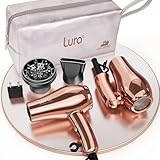
LURA Dual Voltage Travel Hair Dryer with Diffuser,Travel Blow Dryer Mini with EU Plug and UK Plug,Lightweight Portable Hairdryers with Folding Handle,1200W Compact Small Blowdryers for Women | Check Price On Amazon |
Workers on double shifts see the worst of it, and the pattern is specific to helmet wear. If your routine was built for loose hair in open air, it will keep failing under a hard hat until you rebuild it around heat, compression, and limited break time.
What Actually Happens to Hair Under a Hard Hat
Helmet hair damage comes from four stacked mechanisms, not one. Each one needs a different fix, which is why single-product solutions keep disappointing people.
Trapped heat raises scalp temperature and pushes oil production up. The scalp compensates by producing more sebum, so hair looks greasy at the roots while staying bone dry at the ends.
Salt from dried sweat is mildly abrasive and pulls moisture out of the strand. A full shift in a warm warehouse can soak the hairline three or four separate times as sweat cycles through drying.
Friction from the cradle suspension and liner rubs the same spots all day. The hairline, crown, and nape take the most contact, which is where warehouse workers most often report breakage.
Compression flattens the cuticle on one side while tension pulls strands taut. Long or curly hair suffers the most because its shape gives the liner more surface to grab.
The Workday Timeline of Damage
Damage follows the shift itself, so the fixes need to follow it too. Here is what happens at each stage.
Before the shift, dry and unprepared hair absorbs sweat fastest and holds salt against the scalp. During the shift, heat and friction compound with no chance to rinse anything out. At breaks, the only real option is a quick reset with what fits in a pocket or locker. After the shift, the window for recovery is short before the next day repeats the cycle.
The Hair Care Routine That Fits a Warehouse Shift
The routine splits into three tiers: a minimum routine anyone can run, an enhanced version for longer or hotter shifts, and clear signals for when to move up a tier. What you can carry at work matters as much as what you use at home.
Minimum Routine: Night Before and Morning
Wash your hair the night before, never the morning of a shift. Going in with clean, fully dry hair means the sweat meets hair that still has its own moisture balance instead of hair already stripped wet.
Apply a light leave-in conditioner to the hairline, crown, and nape before the shift. These are the exact contact points where the helmet suspension sits, and a leave-in gives the shaft a slip layer that cuts friction.
A good option is a silicone-free leave-in like a spray leave-in conditioner, because buildup matters when you wear a helmet daily. Braid or pin hair flat against the head so the liner never grips loose strands.
During the Shift: What Can Actually Be Done
Realistic intervention at work means small, fast moves. A sweat-absorbing helmet liner between your hair and the cradle is the single highest-impact change, and it is cheap.
Wear a moisture-wicking skull cap or a purpose-made hard hat sweat liner bandana under the suspension. It catches sweat before it reaches hair and cuts friction at the contact points. Never modify the helmet itself or wear anything that changes its fit, because safety compliance comes first and hair adapts around it.
At breaks, blot the hairline with a soft towel instead of scrubbing. Keep blotting paper or a small microfiber cloth in a locker for this, and keep a travel dry shampoo for the end-of-shift reset rather than mid-shift.
Recovery Routine: After the Shift Ends
Rinse or co-wash the day’s salt out before bed, because leaving dried sweat on the scalp overnight lets friction damage continue on a salt-coated shaft. If a full wash is not realistic every day, alternate rinsing with washing.
Once or twice a week, use a clarifying shampoo to strip helmet-day buildup, then follow with a deep conditioner. A sulfate-free clarifying shampoo for weekly buildup removal fits warehouse workers who cannot wash daily but sweat daily.
Detangle from the ends upward with a wide-tooth comb while the conditioner is still in. Yanking a comb from the roots down is what snaps helmet-flattened hair.
When to Move Up a Tier
Use the table below to decide which routine tier your shift actually requires.
| Shift Condition | Routine Tier | What Changes |
| 8 hours, moderate warehouse heat | Minimum | Night-before wash, leave-in, sweat liner, post-shift rinse |
| 10 to 12 hours or hot environments | Enhanced | Add scalp oil pre-treatment, weekly clarifying wash, deep conditioner twice weekly |
| Back-to-back shifts, night rotation | Enhanced plus repair | Add protein treatment every two weeks and protect hair while sleeping |
| Heavy visible sweat, soaked hairline daily | Enhanced | Rinse daily regardless of wash schedule and swap liners between breaks |
For most warehouse workers on a standard single shift, the minimum routine plus a sweat liner solves the problem within two weeks. Move up only when the triggers in the left column are present.
Two Realistic Approaches and Their Trade-offs
There are two workable strategies: shield the hair from the helmet environment, or repair the hair faster than the shift damages it. Most people need a blend, but knowing the split helps you stop wasting money.
Approach One: Shielding
Shielding means barriers, and it works best as the first line of defense. A moisture-wicking skull cap worn under the helmet plus a leave-in conditioner blocks most sweat contact and friction before it starts.
The downside is added heat for some people and a barrier layer that itself needs daily washing. If you buy cheap cotton caps instead of wicking fabric, you can make trapped-sweat problems worse rather than better.
Approach Two: Repair-Focused
Repair means letting hair sit naturally and fixing it with masks, protein, and trims on a fixed schedule. It suits workers who cannot wear anything extra under the helmet for fit or hygiene-policy reasons.
The downside is that repair always runs behind the damage rate on a long shift. Repair alone costs more in products over a year than a ten-dollar liner would have, so it is the fallback, not the default.
Pick shielding first, then add repair only for the spots shielding cannot cover, usually the nape and edges. Workers who rotate onto night shifts face an added recovery problem on top of this, and the rotating shift hair care guide covers that schedule-specific piece.
Troubleshooting: Diagnosing Your Specific Problem
Four failure modes cover almost every helmet-hair complaint warehouse workers report. Match your symptom to the cause before buying anything, because the fixes do not overlap much.
| Symptom | Most Likely Cause | Fix |
| Greasy roots, dry ends | Trapped-heat sebum overproduction | Clarifying wash weekly, leave-in on ends only |
| Broken hairs at hairline and nape | Friction from suspension cradle | Sweat liner plus leave-in at contact points |
| Itchy, flaking scalp after shifts | Salt and sebum sitting overnight | Rinse daily, never sleep on unwashed shift hair |
| Flat, lifeless crown | Compression and static under the shell | Braid flat overnight, volume spray at roots in the morning |
One warning sign deserves priority: persistent scalp pain, bumps, or sores under the helmet are a medical issue, not a hair-care issue. See a doctor or a dermatologist before trying any product on broken skin.
If your breakage pattern spreads beyond the contact points, check whether the helmet itself fits correctly. A badly sized helmet slides and rubs far more than a fitted one, and getting it professionally fitted fixes more hair problems than any conditioner can. Workers juggling two jobs with double exposure should also read how two-shift schedules change hair recovery time.
What to Buy: Criteria That Matter for Helmet Hair
Buy for the exact conditions under a hard hat: trapped heat, daily sweat, daily friction, and limited washing opportunities. A product that ignores those four is the wrong product regardless of price.
- Sweat liners: moisture-wicking synthetic fabric, machine washable, sold in multi-packs so a fresh one is always available
- Leave-in conditioner: silicone-free, lightweight, safe for daily use on the same hairline
- Clarifying shampoo: gentle enough for weekly use, removes salt and sebum buildup without stripping
- Deep conditioner: single-use sachets or tub, applied once or twice weekly
- Microfiber towel: small enough for a locker, blotting only
Avoid anything heavy with petroleum or heavy silicones, because buildup under a helmet compounds fast with no mid-shift wash to reset it. Skip alcohol-heavy sprays too, since they dry out hair that is already moisture-starved from salt exposure.
Avoid rigid styling products like gels and hard-hold sprays entirely on shift days. Under compression they flake, glue strands together, and turn friction damage into breakage at the crown.
The Screenshot Checklist: Helmet Hair Care for One Shift
Use this checklist on your next shift day. It is the minimum routine in order, and it fits on one screen.
- Night before: wash hair and let it dry completely before sleep
- Morning: apply leave-in conditioner to hairline, crown, and nape
- Style flat: braid or pin hair so nothing sits loose under the suspension
- Wear a clean moisture-wicking sweat liner under the helmet
- At breaks: blot the hairline, never scrub, and swap the liner if it soaked through
- After shift: rinse or co-wash the salt out before bed
- Weekly: clarifying wash plus deep conditioner
- Every two weeks: protein treatment only if breakage is active
Start with the night-before wash and the sweat liner alone, since those two steps carry most of the result. A pack of small microfiber hair towels for a work locker covers the break-time blotting and the post-shift rinse without adding bulk.
Stocking your locker with the right leave-in and liner up front keeps the routine running on the days you are most tired. If your work environment also includes kitchen heat or food-service rules, the hair care routine for restaurant workers handles that separate exposure pattern.
The single highest-impact purchase for helmet wear is still the liner, so grab a washable multi-pack of machine-washable hard hat sweat liners before anything else. For the full warehouse-specific routine beyond the checklist, read the complete warehouse worker hair care guide and build the tier that matches your shift length.
| Photo | Popular Hair Product | Price |
|---|---|---|
|
|
Kkioor 24 Inch Chocolate Brown Human Hair Wig 200 Density Body Wave Lace Front Wigs Human Hair Pre Plucked 13X4 HD Frontal Wig 4# Colored Brown Wig For Women Glueless Wigs | Check Price On Amazon |
|
|
KingSup 613 Lace Front Wig Human Hair Pre Plucked 250 Density 26 Inch 5x5 HD Lace Closure Straight Blonde Wig Human Hair, 100% Real Human Hair without Synthetic Blend Tangle Free Triple Lifespan 3X | Check Price On Amazon |
|
|
WIGCHIC 16" Kinky Curly Half Wig Human Hair Burgundy & Dark Roots | Flip-Over Drawstring | Seamless 4C Hairline | True Length | 3-in-1 Styling | Beginner Friendly (T1B/99J) | Check Price On Amazon |
|
|
Hair Removal Cream for Men & Women: Painless Depilatory for Sensitive Skin & Intimate Areas, Moisturizing with Aloe Vera & Vitamin E, Safe for Face, Underarms, Bikini, Arms (3.7 Fl Oz (Pack of 2)) | Check Price On Amazon |
|
|
ZOOLY PROFESSIONAL Ginger Shampoo and Conditioner Sets 20.3 Fl Oz- Anti Hair Loss and Nourishes Hair Roots, Salon Level Scalp Care for Men and Women | Check Price On Amazon |
|
|
LUSN Baby Hair Clippers with Vacuum, Quiet Hair Trimmers for Kids, IPX7 Waterproof Rechargeable Cordless Haircut Kit for Baby Children Infant | Check Price On Amazon |
|
|
LURA Dual Voltage Travel Hair Dryer with Diffuser,Travel Blow Dryer Mini with EU Plug and UK Plug,Lightweight Portable Hairdryers with Folding Handle,1200W Compact Small Blowdryers for Women | Check Price On Amazon |