
Best Wigs for Hair Loss: Guide to Alopecia, Chemo & Thinning


A wig that keeps sliding off a completely bald scalp is not a sizing problem. It is a grip problem. Without natural hair to anchor combs or clips, the cap construction itself has to do all the work.
This guide covers wig types for alopecia areata, alopecia totalis and universalis, chemotherapy-induced hair loss, female pattern thinning, and traction alopecia, with specific cap constructions, attachment methods, price ranges, and insurance coverage details for each. You will also find specific cranial prosthesis wig options broken down by budget and scalp sensitivity.
| Photo | Popular Hair Product | Price |
|---|---|---|

|
Kkioor 24 Inch Chocolate Brown Human Hair Wig 200 Density Body Wave Lace Front Wigs Human Hair Pre Plucked 13X4 HD Frontal Wig 4# Colored Brown Wig For Women Glueless Wigs | Check Price On Amazon |

|
KingSup 613 Lace Front Wig Human Hair Pre Plucked 250 Density 26 Inch 5x5 HD Lace Closure Straight Blonde Wig Human Hair, 100% Real Human Hair without Synthetic Blend Tangle Free Triple Lifespan 3X | Check Price On Amazon |
|
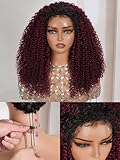
WIGCHIC 16" Kinky Curly Half Wig Human Hair Burgundy & Dark Roots | Flip-Over Drawstring | Seamless 4C Hairline | True Length | 3-in-1 Styling | Beginner Friendly (T1B/99J) | Check Price On Amazon |

|
Hair Removal Cream for Men & Women: Painless Depilatory for Sensitive Skin & Intimate Areas, Moisturizing with Aloe Vera & Vitamin E, Safe for Face, Underarms, Bikini, Arms (3.7 Fl Oz (Pack of 2)) | Check Price On Amazon |

|
ZOOLY PROFESSIONAL Ginger Shampoo and Conditioner Sets 20.3 Fl Oz- Anti Hair Loss and Nourishes Hair Roots, Salon Level Scalp Care for Men and Women | Check Price On Amazon |

|
LUSN Baby Hair Clippers with Vacuum, Quiet Hair Trimmers for Kids, IPX7 Waterproof Rechargeable Cordless Haircut Kit for Baby Children Infant | Check Price On Amazon |
|
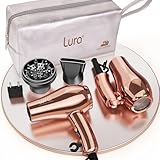
LURA Dual Voltage Travel Hair Dryer with Diffuser,Travel Blow Dryer Mini with EU Plug and UK Plug,Lightweight Portable Hairdryers with Folding Handle,1200W Compact Small Blowdryers for Women | Check Price On Amazon |
What Makes a Wig for Hair Loss Different From an Everyday Fashion Wig?
A wig built for hair loss uses a silicone-lined or cotton-lined cap, an adjustable strap system instead of hair-gripping combs, and a lighter overall weight (often under 4 ounces for synthetic units), because it has no natural hair underneath to hold it in place or cushion the cap against the scalp.
Fashion wigs assume the wearer has some existing hair to anchor combs into. Hair loss wigs cannot make that assumption.
This distinction affects everything from the base material to the fitting process. According to the American Academy of Dermatology, alopecia areata affects hair follicles in patches while chemotherapy-induced alopecia affects the entire scalp uniformly, and the two conditions call for different cap coverage strategies.
A patchy alopecia case may only need a topper over the crown. Total hair loss from alopecia universalis or chemotherapy needs a full cap with 100 percent coverage and a scalp-safe lining.
Key Specifications for a hair loss wig cap:
- Cap lining: silicone strips, cotton, or bamboo (never raw plastic mesh against bare skin)
- Weight: 2.5 to 5 ounces for synthetic, 4 to 7 ounces for human hair mono top
- Attachment: adjustable Velcro straps, silicone grip band, or clip-free suction, not hair-gripping combs alone
- Ventilation: open-weft or capless base to reduce heat and sweat against sensitive skin
For most people managing total hair loss, the safest starting point is a capless or open-weft wig with an adjustable strap and a silicone grip band sewn into the nape, not a standard lace front built for someone with a full head of hair.
What Is a Cranial Prosthesis and How Is It Different From a Regular Wig?
A cranial prosthesis is a medical term for a wig prescribed by a physician to treat hair loss from a diagnosed medical condition, and it is the exact term insurance companies require on a claim form for any reimbursement.
The wig itself can be identical in materials to a fashion wig.
The difference is administrative, not physical. A doctor writes a prescription using the words “cranial prosthesis” or “hair prosthesis” (never “wig”) and a billing code, most often HCPCS code A9282, according to documentation practices described by the American Cancer Society.
Retailers such as Luvme Hair and UNice sell the same construction under both labels, so the term on the paperwork matters more than the product itself.
A cranial prosthesis is a type of medical hair replacement device, and it consists of a scalp-safe base, human hair or heat-resistant synthetic fiber, and an adjustable non-slip interior band. In plain terms: the word “prosthesis” on your invoice is what gets your insurance company to consider paying, not a different physical wig.
Cap Construction That Matters Most for Bald or Sensitive Scalps
Monofilament top construction uses a sheer mesh at the crown that mimics a natural scalp part, and it is the gentlest cap type for skin that has gone through chemotherapy or radiation because each hair strand is individually hand-tied rather than machine-sewn into a stiff track.
This matters because machine-wefted seams press into the scalp and cause pressure sores on skin with little natural cushioning.
Monofilament Top and Hand-Tied Caps
Monofilament top wigs cost $150 to $600 depending on human hair or synthetic fiber, and they allow the scalp to breathe through the sheer mesh at the crown.
Hand-tied caps distribute weight evenly across the head instead of concentrating it at seam lines.
Key Specifications: mesh weight, ultra-thin (0.02mm polyurethane or silk); part visibility, mimics natural scalp; typical price, $150 to $600; recommended for radiation-treated or post-surgical scalps.
Lace Front on a Bald Scalp
Lace front construction places sheer lace only at the front hairline, and on a fully bald scalp this section needs an adhesive or a silicone strip because there is no hair to blend the lace edge into.
Swiss lace measures 0.5 to 0.6mm thick and French lace measures 0.8 to 1.2mm thick, and the thinner Swiss lace shows less on fair to medium skin but tears faster under daily adhesive removal.
Silicone-Lined and Capless Wigs
Silicone-lined caps use thin silicone strips sewn into the interior edge that grip bare skin through light suction, and they eliminate the need for glue entirely on a smooth, hairless scalp.
Capless (open-weft) construction uses less material overall, which cuts weight by roughly 30 percent compared to a fully wefted cap, according to construction specifications published by wig manufacturers including Jon Renau and Amore.
Use the table below to match cap construction to your specific scalp sensitivity and hair loss cause before buying.
| Cap Type | Best For | Weight | Needs Adhesive | Price Range |
|---|---|---|---|---|
| Monofilament top | Radiation-sensitive scalp | 4-6 oz | No | $150-600 |
| Silicone-lined capless | Total baldness, no hair to grip | 2.5-4 oz | No | $80-300 |
| Lace front, bald scalp use | Natural hairline appearance | 3-6 oz | Yes, skin-safe tape | $120-500 |
| Full lace, hand-tied | Maximum versatility, all-directional part | 5-8 oz | Optional grip band | $300-900 |
For most people with a completely bald scalp from alopecia universalis or chemotherapy, a silicone-lined capless wig avoids adhesive entirely while still holding securely through normal daily movement.
Lace Front vs Monofilament Top: Which Cap Construction Is Gentler on a Sensitive Scalp?
Monofilament top construction is gentler on a sensitive scalp than lace front because it distributes weight through hand-tied strands across a soft mesh crown, while lace front relies on adhesive contact along the hairline that can irritate skin already sensitized by chemotherapy or steroid injections.
The difference shows up most after repeated adhesive removal.
Licensed oncology-trained wig stylists working with programs affiliated with the American Cancer Society’s wig bank services generally steer chemotherapy patients toward monofilament or capless construction first, reserving lace front for patients with stable, non-irritated skin who want a natural hairline for special occasions.
In plain terms: pick monofilament or capless for daily wear during active treatment, and save lace front styles for shorter-wear events once your skin has settled.
Best Wig Types by Hair Loss Cause and Stage
The right wig type depends on whether hair loss is total, patchy, or thinning, and on whether it is temporary (chemotherapy) or ongoing (alopecia totalis, female pattern hair loss), because each scenario changes how much coverage and grip the wig needs.
Matching the wig to the specific cause prevents both overspending and discomfort.
Alopecia Areata, Totalis, and Universalis
Alopecia totalis and universalis cause complete loss of scalp and, in universalis, body hair, so the wig must provide 100 percent coverage with a fully lined, non-slip cap since there is no remaining hair anywhere to help anchor it.
According to the National Alopecia Areata Foundation, roughly 30 percent of people with alopecia areata will progress to totalis or universalis, which is why many wig wearers start with a partial topper and later transition to a full capless unit.
Key Specifications: coverage needed, 100 percent; recommended cap, capless or monofilament full; grip method, adjustable strap plus silicone band; expected daily wear duration, 10-14 hours.
Chemotherapy-Induced Alopecia
Chemotherapy-induced hair loss is temporary in most cases, with regrowth typically starting 3 to 6 months after the final treatment cycle, so many patients choose a lower-cost heat-resistant synthetic wig rather than investing in a $600 human hair unit that will only be worn during treatment.
A pre-styled synthetic chemo wig at $70 to $180 covers most of a 4 to 8 month treatment window without daily styling time, which matters when energy levels are already low.
Female Pattern Hair Loss and Thinning
Female pattern hair loss, also called androgenetic alopecia, usually thins the crown and part line while leaving the perimeter intact, so a topper or U-part wig that blends with remaining hair often works better than a full cap.
Journal of Cosmetic Science research on androgenetic alopecia progression notes that crown density loss is typically gradual over years, giving most women time to test a topper before committing to a full wig.
Traction Alopecia and Postpartum Shedding
Traction alopecia from tight styling and postpartum shedding both tend to affect the hairline and edges rather than the whole scalp, so a lace closure topper or edge-specific hairpiece addresses the visible gap without covering healthy hair elsewhere.
Readers dealing with progressive thinning rather than sudden hair loss can find a full breakdown of wig options built specifically for zero remaining hair if the condition advances to total loss.
For most readers experiencing partial or patchy hair loss, a topper matched to the exact bald area costs less and feels lighter than a full wig, while total hair loss almost always calls for a full capless or monofilament unit.
Interactive Tool
Find the Right Wig for Your Hair Loss Situation
Answer 2 quick questions to get a tailored wig type and price range recommendation.
Human Hair Wig vs Synthetic Wig: Which Is Better If You Have No Hair Left to Anchor It?
Heat-resistant synthetic wigs work better than human hair for most people with total hair loss because the fiber holds its style through washing without daily heat tools, which matters when there is no natural hair to fall back on if styling goes wrong.
Human hair remains the better choice for anyone attending events where an undetectable hairline is the top priority.
According to fiber testing standards referenced by wig manufacturers including Jon Renau and Raquel Welch, heat-resistant synthetic fiber tolerates styling tools up to 350-410°F (177-210°C), while standard synthetic fiber melts at temperatures as low as 250°F (121°C).
Human hair tolerates higher heat, up to 450°F (232°C), but requires the same wash-day maintenance as natural hair, including sulfate-free wig shampoo at pH 4.5-5.5 to preserve the cuticle.
Use the table below to decide between human hair and synthetic based on your treatment timeline and lifestyle.
| Feature | Heat-Resistant Synthetic | Human Hair |
|---|---|---|
| Price range | $60-180 | $250-900 |
| Daily styling needed | None, pre-styled | Yes, like natural hair |
| Heat tolerance | 350-410°F (177-210°C) | Up to 450°F (232°C) |
| Lifespan with daily wear | 4-6 months | 1-3 years |
| Weight (full cap) | 2.5-5 oz | 4-8 oz |
| Best for | Temporary hair loss, low upkeep | Long-term hair loss, most natural look |
| Our verdict | Best for chemo patients | Best for permanent alopecia |
For someone expecting hair regrowth within a year, a heat-resistant synthetic wig is the more cost-effective choice, while permanent conditions like alopecia universalis justify the higher upfront cost of human hair.
Complete Buying Guide: How to Choose a Wig for Alopecia, Chemo, or Thinning Hair
Choosing a wig for hair loss comes down to four decisions in order: cap construction for your scalp sensitivity, density that matches your prior hair volume, color matched to your natural or desired shade, and a budget tier that fits your treatment timeline.
Skipping the order and shopping by price first usually leads to a return.
Measuring Your Head Without Hair as a Reference Point
Head circumference is measured with a soft tape starting at the front hairline (or where it used to be), around the back of the head at the widest point, and back to the start, and most adult heads fall between 21 and 23.5 inches.
Without hair, mark the natural hairline location with a washable eyeliner pencil first so the measurement reflects where the wig should sit, not where the scalp currently shows.
Choosing Density After Hair Loss
Density describes the amount of hair per square inch on the cap, and 130 percent density looks closest to an average natural head of hair, while 150 percent looks noticeably fuller and is a common choice for people who previously had thick hair.
Choosing a density that matches memory of your own natural hair, rather than the thinned hair you have now, produces the most authentic result.
Matching Wig Color to Skin Tone and Memory
Color matching works best against a recent photo taken before hair loss progressed, held next to the wig in natural daylight rather than indoor lighting, which shifts warm and cool tones.
Retailers such as Luvme Hair and UNice offer free color-matching consultations using a submitted photo, which removes the guesswork from a first purchase.
Setting a Realistic Budget by Treatment Timeline
A treatment expected to last under a year favors a $70-180 synthetic wig, while permanent hair loss justifies amortizing a $300-600 human hair unit over 1-3 years of wear, which works out to $10-15 per month.
Cost assistance programs discussed later in this guide can offset either price point.
For most first-time buyers managing hair loss, a mid-density (130-150 percent) monofilament wig in a color matched to a pre-loss photo is the safest starting purchase.
How Do I Measure My Head for a Wig When I Have No Hair Left as a Reference Point?
Measure head circumference with a flexible tape starting at the center of the front hairline, wrapping around the widest point at the back of the head, and returning to the start point, marking where your natural hairline used to sit with a washable pencil first.
Most adult wig caps fit a 21 to 23.5 inch range, adjustable by 1-2 inches with the interior straps.
Certified wig fitters working with cancer support programs recommend also measuring from ear to ear across the top of the head and from the front hairline to the nape, since these two additional measurements determine whether a cap needs a petite, average, or large size rather than just a single circumference number.
Take all three measurements before ordering to avoid a return caused by a cap that is technically the right circumference but the wrong shape.
Attachment Methods That Work Without Natural Hair for Grip
A wig with no natural hair to anchor combs needs one of four attachment systems: adjustable interior straps, a sewn-in silicone grip band, skin-safe wig tape, or a suction-style cap, each suited to different scalp conditions and activity levels.
The wrong choice is usually a wig marketed for people who still have hair, fitted onto a bald scalp with nothing to hold it steady.
Adjustable Straps and Combs
Adjustable Velcro or hook-and-eye straps at the nape let the wearer tighten the cap to their exact circumference, and this is the standard attachment on most capless synthetic wigs priced under $150.
Straps alone hold securely for normal daily activity but can shift during vigorous exercise.
Silicone Grip Strips
A thin silicone strip sewn along the interior front and side edges creates light suction against bare skin, holding the wig in place without any adhesive residue.
This works only on smooth, hairless skin. If stubble or peach fuzz remains, the strip loses most of its grip, fix it by waiting until the scalp is fully smooth or switching to an adjustable strap system instead.
Wig Tape on Bald or Sensitive Skin
Double-sided skin-safe wig tape holds a lace front securely for 1-3 days, and hypoallergenic formulas reduce the irritation risk on skin already sensitized by chemotherapy or steroid injections.
This bond forms because the tape’s adhesive polymer cross-links with skin oils at body temperature. It only holds securely when skin is clean, dry, and free of moisturizer, and residual oil is the single most common cause of early lift, fixed by cleaning with 70% isopropyl alcohol before each application.
Suction Cap Wigs
Suction cap wigs use a firm inner rim that creates a seal against the scalp through gentle vacuum pressure, requiring zero adhesive or straps, though they only work reliably on a completely smooth, hairless head.
They are one of the most comfortable options for daily wear but need occasional repositioning if the seal weakens during the day.
For daily wear on a fully bald scalp, an adjustable strap combined with a silicone grip band offers the most secure hold without any risk of skin irritation from adhesives.
If I Have Alopecia Totalis With No Hair At All, Will a Wig Stay On Without Glue?
Yes, a wig will stay on without glue if it has an adjustable interior strap system combined with a silicone grip band, which together create enough tension and light suction to hold securely through a full day of normal activity, including light exercise.
Glue is optional, not required, for total hair loss.
Wig educators working within oncology support programs report that most patients with complete hair loss successfully wear glueless capless wigs for daily use, reserving adhesive only for swimming, high-intensity exercise, or windy outdoor conditions.
Start with the glueless option first. Add tape only if you find the wig shifting during specific activities.
Wig Cost for Hair Loss: What to Expect at Every Budget Level
A basic budget wig for hair loss costs $40-100, a mid-range monofilament or human hair blend runs $150-450, and a premium full lace human hair unit exceeds $500-900, with total cost depending heavily on whether the need is temporary (chemotherapy) or permanent (alopecia).
Ongoing costs, including care products and eventual replacement, add $10-30 per month regardless of tier.
According to pricing data published by wig retailers including Luvme Hair, UNice, and Amore, synthetic wigs typically need replacement every 4-6 months with daily wear, while human hair units last 1-3 years, which changes the real cost-per-wear math significantly over a treatment period lasting a year or longer.
A cheaper wig replaced twice can cost more over 18 months than one well-made human hair unit.
Use the estimator below to see your actual monthly and per-wear cost based on the wig price and expected lifespan for your specific situation.
Wig Cost Estimator
What Will Your Hair Loss Wig Actually Cost Per Wear?
Adjust the sliders to match your wig type and treatment timeline. Cost breakdown updates instantly.
$200
$800 (premium human hair)
12 months
36 months
$20
$50 (adhesive plus care)
Per-wear cost assumes 5 wears per week. Chemotherapy wigs average a 4-8 month lifespan, while human hair cranial prostheses for permanent alopecia often last 18-36 months with proper care.
Is Wig Glue Safe to Use on a Scalp That Has Gone Through Chemotherapy?
Wig glue is generally not recommended on skin actively undergoing chemotherapy or radiation because these treatments thin the skin barrier and increase sensitivity to adhesive chemicals, making capless or strap-based attachment the safer default until treatment ends.
Oncology nurses and certified wig fitters typically advise against adhesive during active treatment.
The American Cancer Society notes that scalp skin can remain sensitive for weeks after the final treatment session, and patch-testing any adhesive on the inner forearm 24 hours before scalp application is the standard precaution recommended by wig fitting programs.
If irritation appears within that 24 hour window, switch to a strap-and-band system instead of pushing forward with adhesive.
Insurance Coverage and Financial Assistance for Medical Wigs
Insurance coverage for a cranial prosthesis ranges from full reimbursement to zero coverage depending on the plan, with many major insurers covering $350-1000 per calendar year when the claim uses the correct HCPCS code A9282 and a doctor’s prescription stating “hair prosthesis for hair loss due to a medical condition.”
Coverage varies significantly by state and by whether the diagnosis is classified as alopecia, cancer treatment, or another qualifying condition.
Nonprofit programs including the American Cancer Society’s wig bank network and local cancer support centers provide free or low-cost wigs to patients who cannot access insurance coverage, and organizations tracking these resources across the United States and Canada maintain updated directories by region.
A full directory of hair loss support organizations offering free wigs and financial assistance can point you toward a specific program near you.
How Do I Get Insurance to Cover a Cranial Prosthesis for Hair Loss?
Getting insurance to cover a cranial prosthesis requires a written prescription from your physician using the exact phrase “cranial prosthesis” or “hair prosthesis” with billing code A9282, submitted along with an itemized invoice from the wig retailer before purchase, not after.
Submitting after purchase risks denial on the grounds that medical necessity was not established first.
Call your insurer’s member services line before buying to confirm your specific plan’s annual limit, since coverage amounts of $350, $500, and $1000 per year are all common depending on the carrier.
Ask specifically whether the benefit renews annually or is a one-time lifetime allowance, since this changes how you should time a purchase around plan renewal dates.
Do I Need a Medical Wig or Will a Regular Fashion Wig Work for Hair Loss?
A regular fashion wig will work physically for hair loss, since the underlying construction can be identical to a medical wig, but only a wig purchased with a doctor’s prescription and billed as a “cranial prosthesis” qualifies for insurance reimbursement.
The medical label is a paperwork distinction, not a quality distinction.
For someone paying entirely out of pocket with no plan to file an insurance claim, a well-reviewed fashion wig with the correct cap construction for their scalp sensitivity works exactly as well as one labeled “medical.”
For anyone who might want reimbursement later, get the prescription and correct billing code before the purchase, since retroactive claims are frequently denied.
Caring for a Hair Loss Wig When Your Scalp Is Sensitive
A wig worn against bare or sensitized skin needs washing every 7-10 days with a sulfate-free shampoo at pH 4.5-5.5, more frequently than a wig worn over natural hair, because direct skin contact transfers oil and sweat straight into the cap lining.
Skipping washes longer than two weeks increases the risk of scalp breakouts and odor buildup.
Key Specifications for hair loss wig care: wash frequency, every 7-10 days for daily wear; shampoo pH, 4.5-5.5, sulfate-free; drying method, air dry on a wig stand, never a hot dryer on synthetic fiber; storage, breathable bag away from direct sunlight.
Protecting a Sensitive Scalp Underneath
A thin, breathable cotton wig liner cap worn underneath any wig reduces direct friction against irritated skin and absorbs sweat before it reaches the wig cap lining.
Replace or wash the liner daily, since it holds more direct skin contact than the wig itself.
The complete rundown of daily washing schedules, storage methods, and shedding prevention for every wig type is covered in our full guide to buying, wearing, and caring for wigs.
For most sensitive-scalp wearers, washing every 7-10 days with a pH-balanced shampoo and wearing a breathable liner underneath prevents the majority of irritation issues before they start.
Why Does My Scalp Itch or Break Out Under My Wig?
Scalp itching or breakouts under a wig are most often caused by trapped sweat and product buildup against skin that cannot breathe through a dense cap, especially common on skin still recovering from chemotherapy or steroid treatment.
This happens because occlusive cap material traps heat and moisture against the skin barrier for extended periods.
This only occurs when the wig is worn for 8 or more hours without removal or airing, or when a cap is washed less than once every two weeks.
If breakouts continue, the fix is switching to a capless or open-weft construction, washing weekly instead of biweekly, and wearing a breathable cotton liner underneath, and any breakout accompanied by pain or swelling should be evaluated by a dermatologist rather than treated at home.
Timing Your Wig Purchase Around Progressive Hair Loss or Chemotherapy
Buying a wig before hair loss becomes visible, rather than after, gives you time to color-match against your natural hair and practice fitting the cap while you still have some hair for reference.
Waiting until hair loss is severe often means rushing a decision under emotional stress.
Oncology support counselors commonly recommend buying a wig within the first two weeks of starting chemotherapy, before hair loss typically begins around week 2-4 of the first treatment cycle.
This timing allows a proper color match and a calm fitting session before any visible change occurs.
I Just Started Chemo and My Hair Is Falling Out in Clumps, When Should I Buy a Wig?
Buy your wig immediately if hair is already falling out in clumps, ideally within the same week, since most chemotherapy patients lose the majority of scalp hair within 2-3 weeks of the first significant shedding, leaving a narrow window for accurate color matching.
Do not wait for hair loss to complete before purchasing.
Many wig retailers and cancer support centers offer expedited shipping specifically for active chemotherapy patients, with some nonprofit wig banks providing same-day fittings.
Bring a recent photo from before treatment started to any fitting appointment to get the closest color and style match possible.
How Long Does a Chemo Wig Need to Last If I’m Only Wearing It During Treatment?
A chemo wig needs to last 6-12 months in most cases, matching the typical treatment and early regrowth period, which makes a $70-180 heat-resistant synthetic wig more cost-effective than a $400+ human hair unit for purely temporary use.
Regrowth generally begins within 3-6 months of finishing the final treatment cycle.
If your specific treatment plan involves an extended chemotherapy schedule beyond a year, or repeated treatment cycles, a mid-range human hair blend wig at $200-350 offers better durability across that longer timeline than replacing a synthetic wig two or three times over.
Ask your oncology team for an estimated treatment duration before deciding between synthetic and human hair.
Wigs vs Alternatives: Comparing Headscarves, Turbans, and Toppers for Coverage
Headscarves and turbans cost less than any wig, typically $10-40 per piece, and involve zero daily styling, but they cannot replicate a full head of visible hair the way a wig can for situations requiring that appearance.
Many people managing hair loss rotate between all three options depending on the day and occasion.
Toppers sit between the two, covering only the area of visible thinning rather than the full scalp, and cost less than a full wig while requiring some blending skill with remaining natural hair.
A direct comparison of comfort, cost, and coverage across every option is covered in our side-by-side comparison of wigs, headscarves, and turbans for hair loss.
Wigs vs Headscarves vs Turbans: Which Should I Choose for Total Hair Loss?
Choose a wig for total hair loss if you want the closest visual match to a full head of hair, choose a headscarf or turban if comfort and quick daily application matter more than appearing to have natural hair.
Most people with total hair loss use both, wigs for work or social settings and scarves for home or sleep.
Cotton and bamboo turbans breathe better than most wig caps and cost $15-35, making them the more comfortable option during hot weather or active recovery periods.
A wig remains the only option that restores the visual appearance of a full hairstyle, including bangs, layers, and length.
Choosing a Wig Style That Suits Your Face Shape and Restores Confidence
A wig cut and styled to complement your face shape looks more natural and requires less adjustment than a generic style, because the right silhouette balances proportions the same way a natural haircut would.
This matters even more with total hair loss, since there is no natural hairline left to soften a style that does not suit your features.
Round faces generally look best with wigs that add height at the crown and length past the jaw, detailed further in our guide to wig styles that elongate a round face shape.
Square faces often benefit from soft, layered styles that soften strong jaw angles, covered in our breakdown of wig styles that soften a square jawline.
Heart-shaped faces with a wider forehead typically do well with styles that add fullness at the chin line, explained in our guide to balancing a wide forehead with the right wig cut.
Oval faces tend to suit almost any wig length or style, while diamond face shapes benefit from specific styling choices around the cheekbones, both covered in our guide to versatile wig styles for an oval face and our recommendations for diamond face shape wig styling.
For a complete overview of every face shape and matching wig silhouette, our full styling guide covering every face shape and wig length combination walks through each in detail.
Common Mistakes to Avoid When Buying a Wig for Hair Loss
The most common mistake is buying a wig based on price alone without confirming cap construction matches scalp sensitivity, which leads to returns and wasted money on units that irritate the skin within days.
The second most common mistake is skipping a proper head measurement, resulting in a cap that is either too loose to stay secure or too tight to wear comfortably for a full day.
A third mistake is choosing density based on current thinned hair rather than a memory of natural pre-loss volume, which often results in a wig that looks thinner than the wearer’s actual natural hair ever was.
Take a pre-loss photo to any fitting or online consultation to avoid this specific error.
Can I Swim or Exercise in a Wig Made for Hair Loss?
Yes, you can swim or exercise in most wigs made for hair loss if the cap uses waterproof adhesive tape or a tight adjustable strap system, though chlorine and saltwater both shorten synthetic fiber lifespan faster than fresh water.
Rinse the wig immediately after swimming to limit chemical exposure.
Waterproof swim-rated wig tape holds securely for up to 2-3 hours of water exposure, according to manufacturer wear-time claims from adhesive brands including Walker Tape and Bold Hold.
For high-intensity exercise without water exposure, an adjustable strap with a silicone grip band is usually sufficient without needing adhesive at all.
Styling and Customizing a Wig for a Natural Look During Hair Loss
Customizing a wig, including plucking the hairline and adding baby hairs, makes the biggest visual difference on lace front styles worn without natural hair to blend the edge, since there is nothing else to soften a factory-straight lace line.
These customizations take 20-40 minutes and require basic tools most wig wearers already own.
Bleaching wig knots with 20 volume developer (6% hydrogen peroxide) for 15-20 minutes lightens the visible knots at the lace base without over-processing the hair itself.
This happens because the developer oxidizes the dark pigment in the knot fibers only, since the peroxide cannot penetrate the sealed hair cuticle in that short window.
This only works reliably on Swiss or HD lace under 20 minutes of processing.
Leaving developer on past 25 minutes causes the lace mesh itself to weaken and tear, fixed by rinsing thoroughly at the 20 minute mark regardless of how light the knots appear.
For a step-by-step walkthrough of every customization technique from plucking to baby hairs, our step-by-step guide to choosing and customizing a hair loss wig covers the full process.
Where to Buy Quality Wigs for Hair Loss: Retailers, Nonprofits, and Wig Banks
Reputable retailers for hair loss wigs include Luvme Hair, UNice, and Jon Renau for medical-specific lines, all offering free color consultations and return windows of 14-30 days for unworn units.
Nonprofit wig banks, often run through local cancer centers, provide free wigs to patients who bring a treatment verification letter from their oncologist.
A ready-to-wear synthetic wig for hair loss purchased online typically arrives within 3-7 business days, faster than most custom human hair orders which can take 2-4 weeks.
For anyone on a tight treatment timeline, ordering a ready-made synthetic unit first while a custom human hair wig is being made covers the gap without an uncovered scalp in the meantime.
If I Have Thinning Hair But Not Total Baldness, Can I Wear a Topper Instead of a Full Wig?
Yes, a topper works well for thinning hair that has not progressed to total baldness, covering just the thin area (usually the crown or part line) while blending with your remaining natural hair around the edges.
A topper typically costs $50-250, well below the $150-600 range of a full wig.
Toppers require some remaining hair density around the perimeter to blend properly. If thinning has spread past 70-80 percent of the scalp, a full wig usually looks more even than a topper stretched to cover an area beyond its intended coverage.
Bring a clear photo of your current part and thinning pattern to any topper consultation for the most accurate size recommendation.
Emotional Confidence and Community Support While Wearing a Wig for Hair Loss
Wig wearers managing alopecia or chemotherapy consistently report that the biggest confidence shift comes not from the wig itself but from a proper fit and color match that lets them stop thinking about it during the day.
A wig that requires constant readjustment keeps hair loss front of mind in a way a well-fitted one does not.
Peer support groups organized through alopecia and cancer nonprofits regularly cite this same pattern, that confidence returns faster once the practical fit problems (grip, comfort, color) are solved first.
Our complete guide to wearing wigs confidently through hair loss covers the emotional side of this transition in more depth, including how to handle questions from others and reintroducing yourself to your own reflection.
The right wig for hair loss, whether from alopecia, chemotherapy, or thinning, comes down to matching cap construction to your scalp sensitivity and choosing an attachment method that works without natural hair for grip.
A silicone-lined or capless cap with an adjustable strap covers most bald-scalp situations, while a topper handles partial thinning without the cost of a full unit.
Start with a properly measured, correctly color-matched wig from a retailer offering a real return window, and adjust attachment method and density from there as your comfort and confidence grow.
| Photo | Popular Hair Product | Price |
|---|---|---|
|
|
Kkioor 24 Inch Chocolate Brown Human Hair Wig 200 Density Body Wave Lace Front Wigs Human Hair Pre Plucked 13X4 HD Frontal Wig 4# Colored Brown Wig For Women Glueless Wigs | Check Price On Amazon |
|
|
KingSup 613 Lace Front Wig Human Hair Pre Plucked 250 Density 26 Inch 5x5 HD Lace Closure Straight Blonde Wig Human Hair, 100% Real Human Hair without Synthetic Blend Tangle Free Triple Lifespan 3X | Check Price On Amazon |
|
|
WIGCHIC 16" Kinky Curly Half Wig Human Hair Burgundy & Dark Roots | Flip-Over Drawstring | Seamless 4C Hairline | True Length | 3-in-1 Styling | Beginner Friendly (T1B/99J) | Check Price On Amazon |
|
|
Hair Removal Cream for Men & Women: Painless Depilatory for Sensitive Skin & Intimate Areas, Moisturizing with Aloe Vera & Vitamin E, Safe for Face, Underarms, Bikini, Arms (3.7 Fl Oz (Pack of 2)) | Check Price On Amazon |
|
|
ZOOLY PROFESSIONAL Ginger Shampoo and Conditioner Sets 20.3 Fl Oz- Anti Hair Loss and Nourishes Hair Roots, Salon Level Scalp Care for Men and Women | Check Price On Amazon |
|
|
LUSN Baby Hair Clippers with Vacuum, Quiet Hair Trimmers for Kids, IPX7 Waterproof Rechargeable Cordless Haircut Kit for Baby Children Infant | Check Price On Amazon |
|
|
LURA Dual Voltage Travel Hair Dryer with Diffuser,Travel Blow Dryer Mini with EU Plug and UK Plug,Lightweight Portable Hairdryers with Folding Handle,1200W Compact Small Blowdryers for Women | Check Price On Amazon |