
Best Wigs for Alopecia: Comfortable, Secure & Natural Look


A wig that slips off during a handshake is not a bad luck story. It is a cap construction problem.
Most wigs sold for fashion are built for people who still have hair underneath to grip the cap. Alopecia changes that equation completely, and it changes what “comfortable,” “secure,” and “natural-looking” actually mean.
| Photo | Popular Hair Product | Price |
|---|---|---|

|
Kkioor 24 Inch Chocolate Brown Human Hair Wig 200 Density Body Wave Lace Front Wigs Human Hair Pre Plucked 13X4 HD Frontal Wig 4# Colored Brown Wig For Women Glueless Wigs | Check Price On Amazon |

|
KingSup 613 Lace Front Wig Human Hair Pre Plucked 250 Density 26 Inch 5x5 HD Lace Closure Straight Blonde Wig Human Hair, 100% Real Human Hair without Synthetic Blend Tangle Free Triple Lifespan 3X | Check Price On Amazon |
|
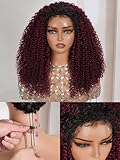
WIGCHIC 16" Kinky Curly Half Wig Human Hair Burgundy & Dark Roots | Flip-Over Drawstring | Seamless 4C Hairline | True Length | 3-in-1 Styling | Beginner Friendly (T1B/99J) | Check Price On Amazon |

|
Hair Removal Cream for Men & Women: Painless Depilatory for Sensitive Skin & Intimate Areas, Moisturizing with Aloe Vera & Vitamin E, Safe for Face, Underarms, Bikini, Arms (3.7 Fl Oz (Pack of 2)) | Check Price On Amazon |
|
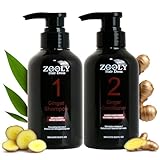
ZOOLY PROFESSIONAL Ginger Shampoo and Conditioner Sets 20.3 Fl Oz- Anti Hair Loss and Nourishes Hair Roots, Salon Level Scalp Care for Men and Women | Check Price On Amazon |

|
LUSN Baby Hair Clippers with Vacuum, Quiet Hair Trimmers for Kids, IPX7 Waterproof Rechargeable Cordless Haircut Kit for Baby Children Infant | Check Price On Amazon |
|
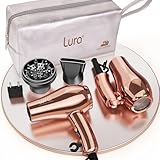
LURA Dual Voltage Travel Hair Dryer with Diffuser,Travel Blow Dryer Mini with EU Plug and UK Plug,Lightweight Portable Hairdryers with Folding Handle,1200W Compact Small Blowdryers for Women | Check Price On Amazon |
This guide covers monofilament wigs, silicone-lined caps, lace front and full lace constructions, human hair versus heat-resistant synthetic fiber, headband and glueless options, and every attachment method that works on a scalp with no hair to anchor to, with density percentages, lace thickness in millimeters, and real price ranges for each type.
What Makes a Wig for Alopecia Different from a Regular Fashion Wig?
A wig built for alopecia differs from a fashion wig in three structural ways: the cap uses breathable, skin-safe materials against bare scalp, the attachment system does not rely on natural hair for grip, and the interior seams are flattened to prevent irritation on a scalp with no hair buffer.
These differences matter because bare scalp skin is more exposed to friction, heat, and pressure than a scalp with even thin natural hair growth.
A standard fashion wig cap is a type of open-wefted construction that assumes a base layer of the wearer’s own hair.
An alopecia-specific wig cap consists of a soft silicone or velvet-lined band, adjustable straps, and a monofilament or lace top that sits directly on skin.
Silicone-lined wig bands work with the natural contour of a bald scalp to create light suction that helps hold the wig in place without adhesive.
Key Specifications:
- Silicone band width: typically 1-2 inches around the entire cap perimeter
- Cap material: velvet, silicone, or brushed cotton lining
- Weight: 3-5 ounces for synthetic, 4-7 ounces for human hair versions
- Price range: $60-450 depending on fiber type and cap construction
According to the National Alopecia Areata Foundation, wig comfort and scalp health should take priority over styling versatility for anyone wearing a wig full-time due to hair loss.
For most people with total hair loss, a silicone-lined monofilament wig cap in the 130-150% density range gives the most natural scalp-show combined with the most secure daily fit.
What Is Alopecia Areata, Totalis, and Universalis?
Alopecia areata is an autoimmune condition causing patchy hair loss on the scalp, while alopecia totalis means complete scalp hair loss and alopecia universalis means loss of all body hair including eyebrows and lashes.
The type of alopecia a person has directly determines wig needs.
Someone with alopecia areata and a few remaining patches often needs a wig with a more open wefted cap to reduce heat, while someone with totalis or universalis needs a fully skin-safe cap since the entire scalp is exposed.
Alopecia universalis also affects eyebrow and lash choices, which is a separate product category from the wig itself.
Monofilament vs Silk Top vs Lace Front: Which Cap Construction Is Gentlest on a Sensitive Scalp?
Monofilament caps are the gentlest option for a sensitive or bald scalp because each hair strand is hand-tied into a sheer mesh that mimics skin, distributing weight evenly with no exposed knots pressing into the scalp.
Lace front caps concentrate more of the wig’s weight along the front hairline seam, which can cause pressure marks after 8+ hours of continuous wear on skin with no hair buffer.
A monofilament top is a type of wig cap construction where each strand is individually hand-tied to a fine mesh base, unlike a wefted cap where hair is machine-sewn in rows.
Silk top caps consist of a double layer of silk fabric with hair knotted underneath, which hides the knots completely and creates the most natural scalp-parting illusion of the three options.
Swiss lace measures 0.5-0.6mm in thickness, making it the thinnest commercially available wig lace construction, according to technical specifications published by Luvme Hair.
This thin lace differs from French lace, which runs 0.8-1.2mm, in both transparency and durability under daily wear.
In plain terms: thinner lace looks more like real skin but wears out faster, while thicker lace lasts longer but shows more against bare scalp.
Use the table below to match cap construction to scalp sensitivity and daily wear needs.
| Cap Type | Knot Visibility | Weight Distribution | Best For | Heat Retention | Price Range |
|---|---|---|---|---|---|
| Monofilament top | Minimal, blends with skin tone | Even across scalp | Total hair loss, daily wear | Moderate | $150-500 |
| Silk top | None, fully concealed | Even, slightly heavier | Sensitive scalp, natural part | Moderate to high | $200-600 |
| Lace front only | Visible at hairline unless bleached | Concentrated at front seam | Partial hair loss, styling versatility | Low | $80-350 |
| Full lace | Visible throughout unless bleached | Even, lightest overall | Multi-directional styling, updos | Low | $250-700 |
| Wefted machine-made | Not applicable | Uneven, seam pressure | Budget daily wear, less sensitive scalp | High | $30-100 |
| Silicone-lined skin cap | None | Even with light suction hold | Total hair loss, no-glue wear | Moderate | $180-450 |
For most people with alopecia totalis or universalis wearing a wig every day, a silicone-lined monofilament cap at 130% density offers the best balance of comfort, security, and an undetectable scalp line.
How Do You Keep a Wig Secure Without Adhesive When You Have No Hair to Anchor It?
A wig stays secure without adhesive when you have no hair by using a silicone-lined band, adjustable ear-to-ear straps tightened to a snug (not tight) fit, and a wig grip headband placed underneath the cap for extra friction.
This matters because glue and tape are harder to apply evenly and safely on bare, sensitive skin than on a scalp with some hair growth.
Silicone-lined wig bands work with the natural warmth and slight moisture of scalp skin to create a light vacuum seal.
This only occurs when the band sits flush against clean, product-free skin with no gaps.
If the band sits on oily or moisturized skin, the seal fails within an hour and the wig will shift, so wash the scalp with a gentle cleanser and let it dry fully before placing the wig.
A silicone wig grip headband placed under the cap adds extra friction for active days, swimming, or windy weather.
Key Specifications:
- Silicone grip band width: 1.5-2 inches
- Adjustable strap range: fits head circumference 20-24 inches
- Hold duration: full day (8-12 hours) without slipping when fitted correctly
- Price range: $8-25 per grip band
For anyone with total hair loss who wants a no-glue daily routine, a properly sized silicone-lined cap combined with an under-band grip is the most reliable secure option.
Readers who want a completely glueless daily routine will also find detailed fitting guidance in our guide to wigs for total hair loss with zero natural hair.
Choosing between comfort, security, natural appearance, breathability, and budget is rarely a simple decision, so use the tool below to rank what matters most to you and see a tailored recommendation.
Priority Tool
What Matters Most in Your Alopecia Wig? Rank Your Priorities
Drag the cards to rank what matters most. Your top priority determines our recommendation.
Is Human Hair or Heat-Resistant Synthetic Better for an Alopecia Wig?
Human hair wigs last 1-3 years with proper care and can be heat-styled up to 450°F (232°C), while heat-resistant synthetic wigs last 4-6 months but require zero daily styling time.
The right choice depends on how much daily maintenance time you want to spend versus how much you want to restyle the wig.
Human hair wigs work with heat tools the same way natural hair does, so a person can curl, straighten, or color the unit to match changing preferences.
Heat-resistant synthetic fiber differs from human hair in that it holds a pre-set curl or wave pattern permanently after manufacturing, and it degrades if exposed to temperatures above 400°F (204°C).
This degradation happens because the synthetic fiber’s polymer structure melts at high heat, unlike the keratin protein structure in human hair which can tolerate higher temperatures with a heat protectant.
If a heat-resistant synthetic wig is exposed to a flat iron above 400°F (204°C), the fiber will frizz permanently and cannot be repaired, so always check the fiber’s rated maximum before styling.
According to the Journal of Cosmetic Science, human hair fiber’s cuticle structure allows it to tolerate significantly higher processing temperatures than synthetic alternatives without permanent structural damage.
A heat protectant spray rated to 450°F is essential before flat ironing any human hair wig, since untreated human hair fiber can still dry out and split at high heat.
For most people new to wearing wigs full-time due to alopecia, a heat-resistant synthetic wig at 130-150% density is the easiest starting point because it requires no daily styling.
Can You Wear a Wig Every Day If You Have Alopecia Universalis Without Irritating Your Scalp?
Yes, you can wear a wig every day with alopecia universalis without irritation if you use a breathable cap, remove it nightly, and wash the scalp with a gentle, fragrance-free cleanser at least every other day.
Constant wear without breaks traps heat and sweat against skin that has no hair to wick moisture away.
Dermatologists specializing in hair loss generally recommend removing any wig before sleep to let the scalp breathe overnight.
According to the American Academy of Dermatology, prolonged occlusion of bare scalp skin under any covering increases the risk of folliculitis and contact irritation if the area is not cleaned regularly.
A silicone-lined cap reduces this risk more than a plastic-lined wefted cap because silicone allows slightly more airflow and does not trap moisture the same way.
If irritation does occur, switch to a cap with more mesh ventilation and apply a fragrance-free scalp serum at night.
In plain terms: give your scalp a break every night, keep it clean, and choose a wig cap that breathes.
How Much Does a Comfortable, Secure Alopecia Wig Cost at Every Budget Level?
A comfortable, secure alopecia wig costs $80-150 for a budget heat-resistant synthetic monofilament cap, $200-450 for a mid-range human hair lace front, and $450-900+ for a premium silicone-lined full lace human hair unit.
Price differences mostly come from fiber origin, cap construction complexity, and hand-tying labor.
Budget synthetic wigs use machine-wefted caps that keep manufacturing costs low but sacrifice some scalp comfort.
Mid-range human hair wigs, often Indian Remy origin, add hand-tied lace fronts that improve both appearance and fit but cost more in labor.
Premium units combine silicone-lined bands, full hand-tied monofilament tops, and Brazilian or Malaysian virgin human hair, which is why they command the highest prices.
Use the calculator below to see your actual cost per wear once wig price, lifespan, and monthly care costs are factored together.
Wig Cost Estimator
What Will Your Alopecia Wig Actually Cost Per Wear?
Adjust the sliders to match your wig type and usage. Cost breakdown updates instantly.
$200
$800 (premium human hair)
12 months
36 months
$20
$50 (premium products)
Per-wear cost assumes 5 wears per week. Adjust lifespan based on wig type: heat-resistant synthetic averages 4-6 months, human hair 12-36 months with proper care.
For most people wearing a wig daily due to alopecia, budgeting $150-300 upfront for a monofilament synthetic or entry human hair lace front gives the best balance of comfort and cost per wear.
Top Wig Picks for Alopecia by Comfort, Security, and Natural Look
The best alopecia wigs combine a silicone-lined or monofilament cap, adjustable no-slip straps, and a pre-plucked hairline, with top picks ranging from $90 heat-resistant synthetic units to $500+ human hair silk tops.
Each option below addresses a different priority: budget, maximum security, or the most undetectable natural appearance.
A monofilament top wig with silicone band at 130% density gives the most natural scalp-show for daily wear.
For maximum grip during activity, a glueless wig with adjustable ear-to-ear straps combined with a grip band underneath adds extra security.
For the most undetectable hairline, an HD lace front human hair wig, pre-plucked blends closest to the skin once knots are bleached.
Use the table below to compare these picks side by side before choosing.
| Product Type | Price | Lace / Cap Type | Density | Best For |
|---|---|---|---|---|
| Budget monofilament synthetic | $90-150 | Monofilament top, wefted back | 130% | Daily comfort on a budget |
| Glueless human hair lace front | $220-380 | Swiss lace, 13×4 front | 150% | No-glue security and versatility |
| Silicone-lined skin cap | $180-320 | Silicone band, monofilament top | 130% | Maximum grip without adhesive |
| HD lace human hair unit | $350-600 | HD lace, full front | 150-180% | Most undetectable hairline |
| Silk top human hair | $400-700 | Silk top, concealed knots | 150% | Sensitive scalp, natural part |
For most first-time wig buyers dealing with new alopecia diagnosis, the glueless human hair lace front at 150% density offers the best combination of security, comfort, and everyday styling flexibility.
Will a Wig Damage My Skin or Scalp If I Wear It All Day, Every Day With Alopecia?
A wig will not damage healthy scalp skin if worn all day, every day, as long as the cap is breathable, cleaned weekly, and removed nightly to let skin recover.
Damage typically comes from trapped moisture and friction, not from wig-wearing itself.
A wig cap trapping sweat against skin for 12+ hours daily can lead to folliculitis or contact dermatitis over time.
This happens because bacteria and yeast thrive in the warm, moist environment created under an unbreathable cap.
If you notice redness, itching, or small bumps developing, switch to a more ventilated lace or monofilament cap and reduce continuous wear time, applying a fragrance-free scalp treatment at night.
How Do You Attach a Wig Securely If You Have Complete Hair Loss With No Hair to Grip?
You attach a wig securely with complete hair loss by using an adjustable strap system tightened at the nape, a silicone-lined band for light suction, and optionally double-sided wig tape applied directly to clean skin along the hairline.
Without any natural hair, the wig cap itself must do all the gripping work.
Wig tape works with clean, oil-free skin to create a temporary adhesive bond that differs from liquid glue in that it peels off cleanly without residue.
This bond only holds when skin is prepped with isopropyl alcohol and fully dry before application.
If tape is applied to moisturized or oily skin, it lifts within a few hours, so always clean the hairline with a 70% isopropyl alcohol prep pad before taping.
For anyone who wants to avoid adhesives entirely, adjustable straps plus a silicone band deliver a full day of secure wear without any tape or glue.
What Should I Do If My Wig Keeps Slipping During the Day?
If your wig keeps slipping, first check that the adjustable straps are tightened to a snug fit at the nape and temples, since loose straps are the most common cause of daytime slippage.
A second common cause is oil or moisturizer on the scalp preventing the silicone band from sealing.
Wash the scalp with a gentle, oil-free cleanser and let it fully air dry before placing the wig again.
If slippage continues after fixing the straps and skin prep, add a silicone wig grip headband underneath the cap for extra hold during active days.
Step by Step: How to Fit and Secure a Wig for Total Hair Loss
Fitting a wig for total hair loss takes five steps: clean the scalp, apply a grip band, position the wig from front to back, adjust the straps, and blend the hairline, typically completed in under 10 minutes.
Following each step in order prevents the two most common fit problems: gaps at the temples and a visible cap edge.
- Clean the scalp with a gentle, fragrance-free cleanser. Let it air dry fully for 2-3 minutes before continuing.
- Place a silicone wig grip headband around the head, just above the ears. This adds friction and a comfortable buffer under the cap.
- Position the wig starting from the front hairline, then pull back over the crown. Align the front lace edge with your natural brow line.
- Adjust the interior straps at the nape until the fit is snug, not tight. You should be able to slide two fingers under the strap comfortably.
- Blend the hairline with a small amount of edge control or lace tint if needed. Check the mirror from multiple angles to confirm a seamless line.
A lace tint spray matched to your skin tone helps the lace disappear against bare scalp in the final blending step.
Once you master these five steps, fitting takes less than five minutes and becomes part of your normal morning routine.
I Have Alopecia Areata With Some Patches Left, Can I Still Wear a Full Wig Comfortably?
Yes, you can wear a full wig comfortably with alopecia areata patches remaining, but you should choose a more ventilated wefted or lace cap rather than a fully sealed silicone band to avoid extra heat over thinning patches.
Remaining hair patches create uneven texture under the cap that a fully rigid silicone band does not accommodate well.
A wefted cap with some stretch lace panels flexes around uneven patch texture more comfortably than a rigid silicone-only design.
For partial hair loss, a wig with adjustable combs that clip lightly into remaining hair patches, combined with an elastic strap for added grip, gives the most comfortable and secure fit.
Readers navigating patchy loss will also find styling-specific guidance in our guide to wigs for uneven or patchy hair loss patterns.
What Is the Difference Between a Medical Wig and a Regular Fashion Wig?
A medical wig, also called a cranial prosthesis, differs from a regular fashion wig in cap construction (softer, hypoallergenic materials), lighter weight, and often insurance billing codes that fashion wigs do not qualify for.
Fashion wigs prioritize style variety over scalp sensitivity considerations.
Medical wigs consist of hypoallergenic cap materials, lighter overall construction, and sometimes a physician’s prescription that allows partial insurance reimbursement in some regions.
A cranial prosthesis is a type of medical-grade wig specifically designed and often coded for patients experiencing hair loss from a documented medical condition.
For most people with a documented alopecia diagnosis, asking a dermatologist for a cranial prosthesis prescription before purchasing can open up partial insurance coverage that a standard fashion wig purchase would not.
How Do You Care for a Wig When You Have No Natural Hair Underneath?
You care for a wig with no natural hair underneath by washing it every 7-14 days with a sulfate-free wig shampoo, deep conditioning monthly if human hair, and storing it on a wig stand to preserve cap shape.
Without natural hair providing a buffer, the wig’s interior touches skin directly and needs more frequent cleaning than a wig worn over hair.
A sulfate-free wig shampoo formulated at pH 4.5-5.5 cleans the cap interior without stripping fiber or irritating skin oils left behind.
This pH range works with the hair cuticle’s natural closed position, preventing the frizz and tangling that alkaline shampoos cause.
If a wig starts smelling or the cap feels stiff with buildup, wash it immediately rather than waiting for the next scheduled wash, since buildup left too long can transfer irritants back onto bare skin.
Key Specifications:
- Wash frequency: every 7-14 days for daily wear
- Shampoo pH: 4.5-5.5, sulfate-free
- Deep conditioning: monthly for human hair units
- Storage: wig stand or mannequin head, out of direct sunlight
A wig stand or mannequin head keeps the cap shape from collapsing between wears, which extends the unit’s usable lifespan.
For anyone wearing a wig full-time, treating wash day like scalp care day, not just hair care day, prevents the majority of irritation complaints reported in wig-wearer communities.
Common Mistakes People With Alopecia Make When Choosing Their First Wig
The most common first-wig mistake is buying based on hairstyle alone and ignoring cap construction, which leads to discomfort and slipping within the first week of wear.
A close second mistake is skipping proper head measurement before ordering.
Ordering the wrong cap size, even by half an inch, creates gaps at the temples that no strap adjustment can fully fix.
Always measure head circumference with a soft tape measure before ordering any cap, front to back and ear to ear.
Another frequent mistake is choosing a density that looks fuller in a photo than it will look in person against a completely bare scalp.
130% density mimics average natural hair growth density for most people, while 180% density looks noticeably fuller than what most natural hair looks like.
For a first wig, choosing 130-150% density and a properly measured cap prevents both of these common early mistakes.
Can Children With Alopecia Wear the Same Wigs as Adults?
Children with alopecia generally need smaller, lighter-weight cap sizes than adult wigs, typically measuring 19-21 inches in circumference compared to 21.5-23 inches for adults.
Using an adult-sized wig on a child’s head creates the same gapping and slipping problems as using the wrong size on an adult.
Several specialty suppliers offer child-specific cranial prosthesis programs with softer, more flexible cap materials suited to a child’s more sensitive scalp.
According to the National Alopecia Areata Foundation, properly fitted children’s wigs should never rely on adhesive at all, favoring adjustable strap and clip systems that grow with the child.
For a child experiencing alopecia, a lightweight synthetic monofilament cap with soft adjustable straps, professionally fitted and measured, is the safest and most comfortable starting option.
How Long Will a Wig Actually Last If I Wear It Every Day and Sweat in It Regularly?
A heat-resistant synthetic wig worn daily with regular sweating typically lasts 3-4 months before fiber matting becomes noticeable, while a human hair wig under the same conditions lasts 10-14 months with weekly washing.
Sweat and body oil accelerate fiber breakdown faster than dry daily wear alone.
Sweat contains salts and oils that build up in synthetic fiber, causing it to lose its luster and tangle faster than fiber worn in cooler, drier conditions.
Washing the wig every 7 days instead of the standard 14-day interval during hot months or high-activity periods extends usable life noticeably.
If you exercise regularly or live in a hot climate, plan on washing more frequently and budget for a shorter synthetic wig replacement cycle than someone with lower activity levels.
Do I Need a Backup Wig, and How Many Should Someone With Alopecia Own?
Most people with alopecia benefit from owning at least two wigs in rotation, allowing one to air dry fully (12-24 hours) after washing while the other is worn.
Wearing a still-damp wig traps extra moisture against the scalp and shortens both wig life and skin comfort.
A two-wig rotation also reduces daily wear stress on a single cap’s straps and lace, extending each unit’s overall lifespan.
For anyone wearing a wig as a daily necessity rather than an occasional style choice, budgeting for two units from the start is more cost-effective long term than replacing one overworked wig every few months.
Readers ready to build a full daily-wear rotation will also find detailed comparisons in our roundup of the most comfortable everyday wear wig picks, our breakdown of the most slip-resistant wigs for total hair loss, and our comparison of HD lace options for the most undetectable hairlines.
Can I Wear a Wig If I Am Also Using Minoxidil or Other Hair Regrowth Treatments?
Yes, you can wear a wig while using minoxidil or other regrowth treatments, but you should apply the treatment to a clean, dry scalp and wait at least 15-20 minutes before placing the wig to avoid transferring the product onto the cap interior.
Topical treatments left wet under a cap can reduce absorption and stain silicone bands over time.
Minoxidil works by prolonging the growth phase of hair follicles, and this process is not affected by wearing a wig over treated skin once the product has fully absorbed.
For anyone combining wig-wearing with an active regrowth routine, applying treatment at night after wig removal, rather than in the morning before placement, avoids any product transfer issues entirely.
Readers exploring protective styling during treatment periods will also find guidance in our guide to protective styling wigs that support healthy regrowth.
A wig that fits well, breathes properly, and matches your specific alopecia type turns a daily medical reality into something you barely think about by mid-morning.
The right combination of a silicone-lined or monofilament cap, adjustable no-slip straps, and honest cost-per-wear math matters more than chasing the flashiest style photo.
Start with proper head measurement, pick the cap construction that matches your specific hair loss pattern, and build a two-wig rotation once you find the fit that works.
| Photo | Popular Hair Product | Price |
|---|---|---|
|
|
Kkioor 24 Inch Chocolate Brown Human Hair Wig 200 Density Body Wave Lace Front Wigs Human Hair Pre Plucked 13X4 HD Frontal Wig 4# Colored Brown Wig For Women Glueless Wigs | Check Price On Amazon |
|
|
KingSup 613 Lace Front Wig Human Hair Pre Plucked 250 Density 26 Inch 5x5 HD Lace Closure Straight Blonde Wig Human Hair, 100% Real Human Hair without Synthetic Blend Tangle Free Triple Lifespan 3X | Check Price On Amazon |
|
|
WIGCHIC 16" Kinky Curly Half Wig Human Hair Burgundy & Dark Roots | Flip-Over Drawstring | Seamless 4C Hairline | True Length | 3-in-1 Styling | Beginner Friendly (T1B/99J) | Check Price On Amazon |
|
|
Hair Removal Cream for Men & Women: Painless Depilatory for Sensitive Skin & Intimate Areas, Moisturizing with Aloe Vera & Vitamin E, Safe for Face, Underarms, Bikini, Arms (3.7 Fl Oz (Pack of 2)) | Check Price On Amazon |
|
|
ZOOLY PROFESSIONAL Ginger Shampoo and Conditioner Sets 20.3 Fl Oz- Anti Hair Loss and Nourishes Hair Roots, Salon Level Scalp Care for Men and Women | Check Price On Amazon |
|
|
LUSN Baby Hair Clippers with Vacuum, Quiet Hair Trimmers for Kids, IPX7 Waterproof Rechargeable Cordless Haircut Kit for Baby Children Infant | Check Price On Amazon |
|
|
LURA Dual Voltage Travel Hair Dryer with Diffuser,Travel Blow Dryer Mini with EU Plug and UK Plug,Lightweight Portable Hairdryers with Folding Handle,1200W Compact Small Blowdryers for Women | Check Price On Amazon |