
U-Part Wig vs Full Wig: Which Offers Better Coverage?


A full wig covers your entire head. A U-part wig leaves a section of your natural hair exposed through a U-shaped opening at the top. The coverage winner depends on what you need to hide and what you want the world to see.
Coverage is not just about square inches of scalp concealed. It is about how convincingly the wig blends with your skin, your hairline, and your natural hair texture. Two wigs can cover the same area and produce completely different results depending on how they interact with what is underneath.
| Photo | Popular Hair Product | Price |
|---|---|---|

|
Kkioor 24 Inch Chocolate Brown Human Hair Wig 200 Density Body Wave Lace Front Wigs Human Hair Pre Plucked 13X4 HD Frontal Wig 4# Colored Brown Wig For Women Glueless Wigs | Check Price On Amazon |

|
KingSup 613 Lace Front Wig Human Hair Pre Plucked 250 Density 26 Inch 5x5 HD Lace Closure Straight Blonde Wig Human Hair, 100% Real Human Hair without Synthetic Blend Tangle Free Triple Lifespan 3X | Check Price On Amazon |
|
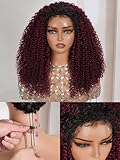
WIGCHIC 16" Kinky Curly Half Wig Human Hair Burgundy & Dark Roots | Flip-Over Drawstring | Seamless 4C Hairline | True Length | 3-in-1 Styling | Beginner Friendly (T1B/99J) | Check Price On Amazon |

|
Hair Removal Cream for Men & Women: Painless Depilatory for Sensitive Skin & Intimate Areas, Moisturizing with Aloe Vera & Vitamin E, Safe for Face, Underarms, Bikini, Arms (3.7 Fl Oz (Pack of 2)) | Check Price On Amazon |

|
ZOOLY PROFESSIONAL Ginger Shampoo and Conditioner Sets 20.3 Fl Oz- Anti Hair Loss and Nourishes Hair Roots, Salon Level Scalp Care for Men and Women | Check Price On Amazon |

|
LUSN Baby Hair Clippers with Vacuum, Quiet Hair Trimmers for Kids, IPX7 Waterproof Rechargeable Cordless Haircut Kit for Baby Children Infant | Check Price On Amazon |
|
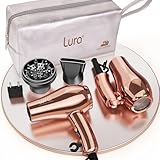
LURA Dual Voltage Travel Hair Dryer with Diffuser,Travel Blow Dryer Mini with EU Plug and UK Plug,Lightweight Portable Hairdryers with Folding Handle,1200W Compact Small Blowdryers for Women | Check Price On Amazon |
This guide breaks down U-part wigs and full wigs across every factor that determines real-world coverage: scalp concealment at the part, hairline realism, installation security, and what happens six months into daily wear. You will find specific measurements, cost comparisons, and honest assessments of where each wig type falls short.
What Is a U-Part Wig and How Does the Coverage Actually Work?
A U-part wig is a wig constructed with a U-shaped opening at the top or crown section. The opening allows the wearer to pull a section of their own natural hair through the wig and blend it with the wig hair for a seamless part line. The rest of the cap uses a standard machine-wefted construction with adjustable straps and combs at the nape and sides for security.
The coverage mechanism here is hybrid: the wig covers the sides, back, and most of the crown, while your natural hair fills the U-opening and creates the part. This means the most visible area (your part and the hair immediately surrounding it) is actually your own hair, not the wig. The wig covers approximately 70 to 80 percent of the scalp depending on the U-opening size, which typically measures 4 inches wide by 4 inches deep.
Coverage in a U-part wig succeeds or fails based entirely on one factor: the health and density of the hair you leave out. If your natural hair at the crown is thinning, the exposed section will reveal scalp exactly where people look most. If your hair is full and matches the wig texture, the exposed section becomes the strongest coverage asset because it is undetectable as a wig.
U-part wigs work with human hair sew-in wefts sewn onto a breathable cap. The hair origin (Brazilian, Peruvian, Indian, Malaysian) determines texture match potential with your natural leave-out hair. A Brazilian body wave U-part wig blends easily with relaxed or texlaxed natural hair. A Malaysian straight U-part wig matches finer, silkier natural textures.
In plain terms: a U-part wig covers everything except the most visible part of your head. And the part that is exposed is your own hair. That changes the entire coverage calculation.
By the Numbers
U-Part Wig vs Full Wig — Key Coverage Statistics
Sources: Licensed cosmetologist assessments, manufacturer specifications, community wear data
What Is a Full Wig and How Does Complete Coverage Work?
A full wig covers the entire scalp from hairline to nape, including the crown, sides, and back. Full wigs come in multiple construction types: lace front wigs (lace only at the front hairline with wefted back), full lace wigs (lace throughout the entire cap), and 360 lace wigs (lace around the entire perimeter with wefted crown). Each construction type affects how coverage looks at different angles.
Complete coverage means total scalp concealment. No natural hair is exposed anywhere. The wig creates its own part line, its own hairline, and its own density profile independent of what is happening with your natural hair underneath. This independence is full coverage’s greatest advantage: the wig performs the same way regardless of whether your hair is in cornrows, a bald fade, or experiencing thinning from traction alopecia.
The coverage mechanism relies on three structural elements working together. A lace panel (Swiss lace at 0.5 to 0.6mm thickness or HD lace at 0.3 to 0.4mm) creates a transparent scalp appearance at the part and hairline. A monofilament or wefted cap provides structure across the remaining scalp area. Adjustable straps and combs anchor the wig in place so coverage does not shift during wear.
Full wig coverage is only as good as the installation. A lace front wig applied with Ghost Bond XL adhesive on a properly prepped hairline (cleaned with 70% isopropyl alcohol, dried for 2 minutes, and free of all oil and moisturizer) achieves a seamless melt that conceals the transition from skin to lace. Skip the prep step and the lace lifts within hours, exposing the wig line at the worst possible moment.
In plain terms: full wigs cover everything. The quality of that coverage depends entirely on the lace type, the installation skill, and whether the hairline prep was done correctly. Complete coverage is the goal. Complete coverage that looks fake is still a coverage failure.
Coverage Comparison: Where Each Wig Type Wins and Loses
The coverage question has no single correct answer. Each wig type dominates in specific coverage dimensions and fails in others. Understanding which dimensions matter most for your situation determines which wig is actually better for you.
Use the table below to compare U-part and full wigs across every coverage dimension that affects daily wear.
Product Comparison
U-Part Wig vs Full Wig — Coverage Dimension Comparison
Detailed head-to-head across the coverage factors that matter most in daily wear.
| Coverage Factor | U-Part Wig | Full Wig |
|---|---|---|
| Total scalp coverage | 70-80% (U-opening exposes crown) | 100% (entire scalp concealed) |
| Part line realism | Best — real scalp shows through | Good — requires bleached knots and lace tint |
| Hairline concealment | Moderate — leaves natural hairline exposed | Best — lace mimics scalp at hairline |
| Coverage for thinning crown | Poor — exposed area reveals thinning | Excellent — full concealment |
| Coverage for thinning edges | Excellent — wig hairline covers edges | Moderate — edges must be fully concealed under lace |
| Wind resistance | Moderate — leave-out can blow in wind | High — nothing exposed to shift |
| Our verdict for coverage | Best when natural hair is full and healthy | Best for complete, unconditional concealment |
Coverage assessments based on typical 4×4 inch U-part openings and standard 13×4 or 13×6 lace front full wigs. Individual results vary by installation quality, hair density, and lace type.
Coverage is a multi-dimensional concept. The wig that wins on total area often loses on realism at the part. The wig that wins on hairline concealment often requires more maintenance to keep that coverage intact. Choose based on which coverage dimension matters most for your daily life.
Hairline and Part Realism: The Coverage Factor No One Talks About
Coverage is not just about hiding scalp. It is about how convincing the visible areas look to other people. The hairline and the part line are the two areas where wig wearers get scrutinized most. This is where U-part wigs have a structural advantage that full wigs can only match through extensive customization.
A U-part wig leaves your actual scalp visible at the part line. When someone looks at your part, they see real skin, real hair follicles, and real hair growing from real scalp. No amount of bleached knots and lace tint on a full wig can perfectly replicate the micro-details of a living scalp. The tradeoff is that you must have enough natural hair density at the crown to make that exposed area look full.
Full wigs require lace tint spray matched to your scalp tone, bleached knots using 20-volume developer (6% hydrogen peroxide) for 15 to 20 minutes on the lace, and plucked hairlines to create irregular follicle spacing. Done correctly, a customized full wig hairline is undetectable from 6 inches away. Done incorrectly (over-bleached knots that turn brassy orange, un-plucked hairlines with straight rows of follicles, or lace tint that does not match the scalp), the coverage is obvious from across the room.
The hairline on a U-part wig sits behind your natural hairline. Your own edges frame your face and create the front hairline. This means you never have to worry about lace lifting at the forehead or adhesive becoming visible. The tradeoff is that your natural edges must be healthy enough to style and blend with the wig hair. If you have traction alopecia along the hairline, a U-part wig exposes the very area you most want to conceal.
For the most undetectable coverage at the top of the head, a U-part wig wins on part realism. For the most control over the hairline appearance, a full wig with proper customization wins. The question is which area draws more attention on your face.
Installation Differences and How They Affect Coverage Stability
Coverage means nothing if it shifts during the day. Installation method determines how securely the wig stays in place and whether coverage remains consistent from morning to night. U-part and full wigs use fundamentally different attachment mechanisms.
A U-part wig installs using adjustable straps at the nape and comb clips at the sides and front. The combs slide into your cornrowed or braided hair underneath. The straps tighten to match your head circumference. The entire installation takes 15 to 30 minutes and requires zero adhesive. Coverage stability relies entirely on the mechanical grip of combs and straps against your braided foundation.
This adhesive-free approach means you can remove the wig nightly without any solvent or residue. Coverage resets fresh every morning. The downside is that combs can loosen during high-activity days. Running, dancing, or windy conditions may shift the wig slightly, exposing the edge of the U-opening. A quick trip to the restroom to re-secure the combs fixes it in 30 seconds.
Full wigs offer multiple installation methods with varying security levels. Glueless installation using an adjustable strap and combs works for daily removal but provides the least secure coverage. Lace glue like Ghost Bond XL or Bold Hold Active creates a bond that lasts 1 to 4 weeks depending on body chemistry and environmental humidity. Wig tape offers a middle ground with 3 to 7 days of hold and easier removal than glue.
The security of a fully glued full wig is unmatched. The lace melts into the skin and does not shift regardless of activity level. Coverage remains 100 percent stable through workouts, windy days, and long events. The tradeoff is that the adhesive bond requires maintenance: edge touch-ups every few days, full re-installation every 1 to 4 weeks, and careful removal to avoid damaging the lace or irritating the skin.
For readers wanting to understand how cap construction underneath affects overall comfort and fit, our comparison of open-top wig caps and dome caps explains the structural differences that determine breathability and all-day wear comfort.
Which Hair Types and Textures Work Best With Each Wig Type?
Your natural hair texture and density determine whether a U-part wig will provide better coverage than a full wig. The wrong choice creates visible demarcation lines where wig hair meets natural hair. The right choice makes the transition invisible.
Tabbed Guide
Wig Type Recommendation by Hair Texture and Condition
Select your hair situation for tailored guidance on which wig provides better coverage.
Best pick: U-Part Wig
With full, healthy natural hair (130% or higher natural density), a U-part wig provides the most undetectable coverage possible. Your leave-out at the crown blends seamlessly with the wig hair because your natural texture is the standard the wig matches. Choose a U-part wig in the same texture category as your natural hair (body wave for wavy natural hair, straight for relaxed hair, kinky straight for 4a-4c natural hair pressed or blown out). The exposed part line will look completely real because it is real.
Texture matching is the invisible factor that determines coverage success. A U-part wig in Brazilian body wave worn over 4b natural hair that has not been properly blown out or pressed will show a clear line of demarcation at the U-opening. The coverage is technically there. The blend is not. Full wigs eliminate texture matching as a concern because no natural hair is exposed.
For a deeper understanding of how part placement affects the overall look, our guide on how wig part location changes face-framing and perceived coverage explains why a side part versus a middle part can make the same wig look completely different on different face shapes.
Cost Breakdown: What You Actually Pay for Coverage Over Time
Coverage quality correlates with cost in ways that are not obvious at first purchase. A cheaper wig that provides worse coverage but lasts 3 months can cost more per wear than an expensive wig that provides perfect coverage for 2 years. Understanding the full cost picture prevents sticker shock and false savings.
A U-part wig costs $60 to $200 for a quality human hair unit with 150% density on a breathable machine-wefted cap. The installation requires no adhesive products (eliminating a $15 to $35 monthly glue or tape expense). Maintenance costs are minimal: regular shampoo and conditioner, occasional heat protectant, and edge control for blending the leave-out. Total annual cost with daily wear runs $200 to $500 including one replacement wig per year.
A full wig spans a much wider price range. Budget full wigs under $50 use synthetic fiber with low-density wefted caps and provide coverage that looks costume-level after 2 to 3 weeks of wear. Mid-range full wigs ($80 to $250) use heat-resistant synthetic or basic human hair with 130% density and machine-wefted caps. Premium full lace wigs ($300 to $800 and above) use virgin human hair with HD lace, 150 to 180 percent density, hand-tied caps, and pre-plucked hairlines.
The hidden cost of full wigs is in the consumables. Lace glue ($15 to $35 per bottle, replaced monthly), wig tape ($10 to $20 per roll, replaced every 2 to 3 weeks), lace tint spray ($10 to $15, replaced every 2 to 3 months), and adhesive remover ($8 to $15, replaced every 2 months) add $300 to $600 annually. A $300 full wig with all consumables costs $600 to $900 per year. A $150 U-part wig with minimal consumables costs $250 to $400 per year.
For readers committed to a full wig investment, our complete guide to buying, wearing, and caring for wigs covers every cost factor from initial purchase through daily maintenance, including product recommendations for extending wig lifespan.
Cost Reference
Annual Cost of Coverage — U-Part vs Full Wig by Wear Frequency
All values estimated based on mid-range human hair units with standard consumable usage.
| Wig type & price ↓ / Wear frequency → | 1-2x / week | 3-4x / week | Daily |
|---|---|---|---|
| U-Part ($150 / unit, 1 year lifespan) | $150/yr no adhesive needed |
$250/yr ★ typical user |
$400/yr includes 1 replacement |
| Full Wig Mid-Range ($250 / unit, 6-8 month lifespan) | $450/yr includes consumables |
$750/yr includes consumables |
$900-1,200/yr ★ includes 2 units + glue/tape |
| Full Wig Premium ($500+ / unit, 1-2 year lifespan) | $650/yr includes consumables |
$900/yr includes consumables |
$1,200-1,600/yr full maintenance routine |
Annual cost includes wig unit replacement at stated lifespan, adhesive consumables for full wigs (glue or tape, remover, lace tint), and basic care products. ★ highlights the most common wear frequency for each wig type. Prices verified at time of publication.
Maintenance Effort and How It Affects Long-Term Coverage Quality
A wig that provides perfect coverage on day one but deteriorates after two weeks of neglect is a poor investment. Maintenance requirements differ dramatically between U-part and full wigs, and those differences directly affect how long your coverage remains convincing.
U-part wigs require minimal daily maintenance. Remove the wig at night using the comb clips and straps (30 seconds). Apply a small amount of non-greasy edge control to your leave-out hair in the morning before re-installing (2 minutes). Wash the wig every 7 to 10 wears using sulfate-free wig shampoo with pH 4.5 to 5.5 to preserve the hair cuticle integrity. Deep condition every 2 to 3 weeks to maintain the 150% density appearance.
The leave-out hair requires more attention than the wig itself. Your natural hair at the U-opening must be washed, conditioned, and heat-styled regularly to match the wig texture. This creates a split maintenance routine: standard wig care for the unit, plus your regular natural hair routine for the leave-out section. The leave-out is also exposed to heat damage from daily flat ironing or blow-drying to match the wig texture.
Full wig maintenance centers on the lace and adhesive bond. The lace front must be cleaned of glue residue every 1 to 4 weeks depending on wear duration. Use citrus-oil based adhesive remover to dissolve the glue without damaging the delicate Swiss or HD lace. Wash the wig every 8 to 12 wears. Condition and detangle with a wide-tooth wig comb working from ends to roots to prevent shedding.
Lace maintenance is the skill that separates long-term coverage from short-term disappointment. Bleached knots that were invisible at installation can turn brassy orange after 4 to 6 weeks of adhesive exposure and oxidation. The lace itself can tear if pulled too aggressively during removal. Regular lace cleaning with alcohol-free witch hazel and gentle handling extends lace life. Swiss lace at 0.5 to 0.6mm lasts 6 to 12 months with careful daily wear. HD lace at 0.3 to 0.4mm provides better initial coverage but tears more easily (4 to 8 months with daily wear).
For more on how V-part wigs compare to U-part wigs in terms of maintenance and styling flexibility, our detailed U-part vs V-part wig comparison breaks down the maintenance differences between these two leave-out styles.
Quick Reference
Wig Coverage Terms — Key Definitions
Quick reference for the terms used throughout this guide
— A U-shaped cutout in the wig cap, typically 4×4 inches, that allows natural hair to be pulled through for blending at the part line.
— The section of natural hair left exposed through a wig opening, requiring daily styling to match the wig texture and density.
— A wig construction where only the front 2 to 4 inches of the cap use sheer lace (13×4 or 13×6 inches) with the remainder using machine-wefted material.
— A wig cap made entirely of lace, allowing parting anywhere on the head and the most versatile styling options.
— Lace at 0.5 to 0.6mm thickness, more durable than HD lace, suitable for daily wear. Slightly more visible on darker skin tones than HD lace.
— Ultra-thin transparent lace at 0.3 to 0.4mm thickness, provides the most undetectable hairline across all skin tones but tears more easily than Swiss lace.
— The process of lightening the dark knots where hair is tied to the lace using 20-volume developer for 15 to 20 minutes, creating the illusion that hair is growing from the scalp.
— The amount of hair per square inch on the cap. 130% mimics natural density. 150% looks full and healthy. 180% to 200% is noticeably thick and voluminous.
— The visible boundary where wig hair ends and natural hair begins, most noticeable when textures or densities do not match.
— The seamless blend where lace adhesive bonds the lace to the skin so the transition from forehead to wig is invisible.
Pros and Cons at a Glance
Both wig types have clear strengths and weaknesses. Here is an honest assessment of each based on real-world daily wear, not product descriptions.
Product Review
U-Part Wig and Full Wig — Pros and Cons Scorecard
Honest assessment based on community wear data, stylist feedback, and long-term user reports.
U-Part Wig Pros
- ✓Most undetectable part line (real scalp exposed)
- ✓15-30 minute installation with zero adhesive
- ✓Lower total annual cost ($250-400/yr typical)
- ✓No lace maintenance, no adhesive removal
- ✓Natural hairline (your own edges frame face)
- ✓Nightly removal protects natural hair underneath
U-Part Wig Cons
- ✗Exposes crown thinning (worst coverage for this area)
- ✗Leave-out requires daily heat styling and blending
- ✗Texture mismatch creates visible demarcation
- ✗Less secure during high-activity days (no adhesive)
- ✗Only one part location (dictated by U-opening)
Full Wig Pros
- ✓100% scalp coverage regardless of hair condition
- ✓No leave-out needed (zero natural hair styling)
- ✓Multiple part locations possible (full lace or 360 lace)
- ✓Maximum wind and activity security (glued installation)
- ✓Wide price range fits all budgets ($50 to $800+)
- ✓Best option for complete hair loss or total thinning
Full Wig Cons
- ✗Requires knot bleaching and lace tint for realism
- ✗Higher annual cost ($900-1,200/yr with daily glued wear)
- ✗Adhesive removal can damage delicate lace over time
- ✗Lace lifting exposes wig line within hours if prep is skipped
- ✗45-90 minute installation for full glued application
Choose a U-part wig if your crown hair is full and healthy and you want the most natural part line with minimal maintenance. Choose a full wig if you need complete scalp coverage, have thinning at the crown, or want the freedom to change part locations without exposing natural hair.
Who Should Choose a U-Part Wig vs a Full Wig?
The decision comes down to your natural hair condition, your lifestyle, and how much daily effort you are willing to invest. These reflective questions help you assess your own situation honestly before making a purchase.
Buying Guide
Ask Yourself These Questions Before You Buy
Tap each card to reveal what your answer means for your wig choice.
Common Myths About U-Part and Full Wig Coverage
Several persistent misconceptions steer buyers toward the wrong wig type. Here are the myths that cause the most expensive mistakes.
Myth vs Fact
Wig Coverage — Common Myths Debunked
Separating fact from fiction on U-part and full wig coverage misconceptions
✗ Myth
A full wig always provides better coverage than a U-part wig.
✓ Fact
A full wig covers more total scalp area, but coverage quality is about realism, not just area. A poorly installed full wig with unbleached knots and visible lace provides worse perceived coverage than a U-part wig where the exposed part line is completely real. Coverage is only as good as its most detectable feature.
✗ Myth
U-part wigs are only for people with perfectly healthy, full natural hair.
✓ Fact
You need healthy crown hair for a U-part to work well, but thinning edges are actually better concealed by a U-part than a full wig. The U-part cap extends forward to cover the edges area completely, and you avoid the adhesive stress on fragile follicles that full wig glue installations can cause. The only disqualifier for a U-part is visible crown thinning.
✗ Myth
Lace glue allergies are rare and not a serious concern for full wig wearers.
✓ Fact
Latex-based wig adhesives cause contact dermatitis in a significant minority of users, with symptoms ranging from mild itching to blistering along the hairline. Ghost Bond XL is latex-free and reduces this risk. Always patch test adhesive on a small area behind the ear 24 hours before full application. If you have known adhesive sensitivities, a U-part wig eliminates this risk entirely.
✗ Myth
More expensive wigs always provide better coverage.
✓ Fact
Coverage quality depends more on construction type matched to your needs than on price. A $150 U-part wig on someone with full natural hair provides more undetectable coverage than an $800 full lace wig installed poorly with unbleached knots and mismatched lace tint. Price buys better materials and longevity. It does not buy the right wig type for your specific hair situation.
✗ Myth
You cannot wear a U-part wig if you have relaxed hair.
✓ Fact
Relaxed hair is actually one of the best candidates for a U-part wig because the texture is uniform and easy to match with straight or body wave wig textures. The relaxed leave-out blends seamlessly. The only caution is that relaxed hair is more fragile, so avoid excessive heat on the leave-out section. Use a heat protectant rated to 400 degrees F (204 degrees C) and keep flat iron temperature at 300 to 340 degrees F (149 to 171 degrees C) for relaxed hair.
Can I wear a U-part wig if I have traction alopecia along my hairline?
Yes, a U-part wig can actually provide better coverage for traction alopecia along the hairline than a full wig. The U-part cap extends forward and covers the edges area completely with wig hair. The front of the wig sits behind your natural hairline and conceals thinning edges without any adhesive touching the fragile follicles. The exposed U-opening is at the crown, not the hairline, so edges remain fully covered. The comb clips that secure the wig attach to braided hair further back on the head, not to the damaged edge area.
For severe traction alopecia where both edges and crown are affected, a full wig with a glueless installation is the safer choice. Glueless full wigs use an adjustable elastic band and combs instead of adhesive, avoiding chemical stress on compromised follicles. HD lace at 0.3 to 0.4mm thickness creates an undetectable hairline that conceals edge loss completely. Apply a scalp serum with peppermint oil to nourish follicles underneath the wig while wearing.
Why does my U-part wig leave-out look dry and different from the wig hair after a few hours?
This happens because your natural leave-out hair loses moisture faster than the processed wig hair. Human hair wigs are coated with a silicone layer during manufacturing that seals the cuticle and reduces moisture loss. Your natural hair has no such coating. Within a few hours, your leave-out absorbs ambient moisture or loses its own hydration depending on humidity, causing a texture divergence from the wig hair.
Fix this by applying a lightweight silicone-based serum to your leave-out before blending. The serum mimics the wig’s cuticle coating and creates a uniform moisture barrier. Avoid heavy oils and butters on the leave-out. They create a greasy demarcation that highlights the transition from real hair to wig. A small amount of argan oil serum (2 to 3 drops warmed between palms) applied only to the ends of the leave-out reduces frizz without weighing down the roots.
What is the difference in coverage between a 13×4 lace front full wig and a full lace wig?
A 13×4 lace front full wig has a lace panel measuring 13 inches across the front hairline and 4 inches deep into the crown. The lace covers the hairline, the temples, and the front part area. Coverage in these zones is excellent when knots are properly bleached and lace tint matches the scalp. Behind the 4-inch lace depth, the cap is machine-wefted material that does not mimic scalp. You cannot part a 13×4 wig beyond the 4-inch lace zone. Coverage at the part looks realistic only within that front section.
A full lace wig has lace throughout the entire cap from front hairline to nape. Every square inch can be parted in any direction. Coverage is uniformly undetectable anywhere on the head because the lace and bleached knots create the illusion of scalp at every possible part location. The tradeoffs: full lace wigs cost $100 to $300 more than comparable lace front wigs, and the all-over lace is more delicate requiring gentler handling during washing and styling.
Is it safe to use lace glue on my hairline every day with a full wig?
Daily lace glue application is not recommended for long-term hairline health. Most professional wig stylists and dermatologists advise wearing a glued full wig for 1 to 2 weeks maximum before full removal, cleaning the hairline, and giving the skin 24 to 48 hours to breathe. Daily glue application and removal strips the skin barrier, causes cumulative irritation, and can trigger contact dermatitis even with previously tolerated adhesives.
Latex-based glues carry the highest allergy risk. Water-based and latex-free formulas like Ghost Bond XL reduce irritation but still require removal solvents that are drying to the skin. Watch for early warning signs: redness that persists more than 30 minutes after removal, small bumps along the adhesive contact line, or itching that intensifies with each application cycle. Switch to a glueless installation method or a U-part wig at the first sign of persistent irritation.
How do I match my leave-out texture to my U-part wig if my natural hair is 4c and the wig is body wave?
Direct texture matching between 4c natural hair and a body wave wig requires heat styling the leave-out to match the wig’s wave pattern. Start with freshly washed and deep-conditioned leave-out hair. Apply a heat protectant rated to 450 degrees F (232 degrees C). Blow-dry the leave-out using a comb attachment to stretch the curl completely straight. Then use a 1.5-inch curling wand at 350 to 380 degrees F (177 to 193 degrees C) to create loose waves that match the body wave pattern.
The key to an undetectable blend is wrapping the styled leave-out around the wig hair at the U-opening seam. Use a small amount of edge control on a soft bristle brush to smooth the leave-out over the wig hair where they meet. The overlap conceals the transition line. If your leave-out reverts quickly in humidity, a humidity-blocking anti-frizz spray applied after styling extends the blend for 6 to 8 hours.
Can I swim in a U-part wig without losing coverage?
Swimming in a U-part wig is risky because the comb clips and straps that hold the wig in place are not designed for water submersion. Water creates drag that pulls the wig backward, potentially exposing the U-opening edge. Chlorine and saltwater also damage human hair wigs by stripping the cuticle and causing tangling and dryness. The leave-out hair will revert to its natural texture in water, creating an immediate visible mismatch with the wig texture.
If swimming is non-negotiable, a full wig installed with waterproof adhesive like Bold Hold Active waterproof glue provides the most secure coverage. The adhesive bond holds through water exposure, and the full coverage means no leave-out textural mismatch. Always rinse the wig with clean water immediately after swimming and apply a deep conditioner to restore moisture lost to chlorine or salt.
Why does my full wig look like a helmet even though it covers everything?
The helmet look comes from wearing a wig density that is too high for your face size and frame. A 180 to 200 percent density full wig produces a dome of hair that sits unnaturally high and wide on the head. Most people’s natural hair density is equivalent to 100 to 130 percent on the wig density scale. Wearing 180 percent density when your face is small or your frame is petite creates the unmistakable wig silhouette.
Fix this by choosing 130 to 150 percent density for daily wear. If you already own a high-density wig, take it to a professional wig stylist for thinning and layering. They can remove bulk from the wefts and create face-framing layers that break up the helmet shape. A wig with 150 percent density and proper layers looks full and healthy without the dome effect. The right density matched to your proportions makes the difference between coverage that enhances and coverage that announces itself.
How long does a U-part wig last compared to a full wig with the same care routine?
A U-part wig with a machine-wefted cap and human hair typically lasts 12 to 18 months with proper care (washing every 7 to 10 wears, deep conditioning every 2 to 3 weeks, heat protectant before styling, and satin bonnet storage at night). The longevity advantage comes from the cap construction: wefted caps are more durable than lace and do not tear during removal.
A lace front full wig with human hair and daily glued wear lasts 6 to 12 months. The lace degrades faster due to repeated adhesive application and removal cycles. Swiss lace at 0.5 to 0.6mm lasts closer to 12 months. HD lace at 0.3 to 0.4mm lasts 6 to 8 months before developing small tears at the stress points. A full lace wig with glueless wear (no adhesive, elastic band only) can match U-part longevity at 12 to 18 months because the lace is not subjected to chemical adhesive stress.
Will a U-part wig work if I have a relaxer with significant new growth?
A U-part wig works with relaxed hair and new growth, but the blend requires more effort as new growth accumulates. The leave-out section must be flat-ironed to match the wig texture, and the line of demarcation between relaxed ends and new growth can create uneven texture across the U-opening. The more new growth you have, the more heat passes your leave-out requires to achieve a uniform texture.
If new growth exceeds 1 to 1.5 inches, consider a kinky straight textured U-part wig instead of a body wave or straight texture. Kinky straight mimics the texture of blown-out natural or relaxed hair with new growth. The slight wave in kinky straight hair disguises the transition between the relaxed ends and new growth much better than a silky straight texture. This reduces daily heat styling time on the leave-out from 15 to 20 minutes down to 5 minutes.
What happens to the coverage if I sleep in my full wig?
Sleeping in a full wig accelerates fiber degradation and shortens wig lifespan by 30 to 50 percent. Friction between the wig hair and pillowcase creates tangles, matting, and cuticle damage, particularly at the nape where the wig rubs against the pillow most. The lace front lifts at the edges from overnight pressure and oil transfer from the skin. Within 3 to 4 nights of sleeping in a wig, the hairline coverage degrades visibly.
If you choose to sleep in a full wig with adhesive, wrap the hair in a satin or silk scarf and sleep on a satin pillowcase to reduce friction. Even with protective wrapping, expect the wig lifespan to decrease from 12 months to 6 to 8 months. The lace will require more frequent re-gluing at the edges. Removing the wig at night and storing it on a canvas wig stand preserves coverage quality and extends the usable lifespan significantly.
Does a U-part wig with a larger U-opening provide better or worse coverage?
A larger U-opening (5×5 inches or larger) exposes more natural hair, which can improve coverage realism if your crown hair is full and healthy. More leave-out means more real scalp visible at the part and a wider blending zone between natural hair and wig hair. The transition appears more gradual and less detectable.
A larger U-opening worsens coverage if your crown hair has any thinning or density loss. More exposed area means more visible scalp in the exact spot people look. Standard 4×4 inch U-openings provide the best balance of sufficient leave-out for a natural part with enough wig coverage to dominate the head silhouette. Only increase U-opening size if you have 150 percent or higher natural density at the crown and want maximum blend versatility.
Can I use a U-part wig if I have a sensitive scalp or seborrheic dermatitis?
A U-part wig is the better choice for sensitive scalp conditions because it allows nightly removal and full access to the scalp for treatment. Seborrheic dermatitis requires regular application of medicated shampoos (ketoconazole or zinc pyrithione based) that must contact the scalp directly. A glue-down full wig blocks access to the scalp for 1 to 4 weeks. It also traps heat and oil against the skin, which can trigger or worsen flare-ups.
With a U-part wig, remove the wig each night and treat the scalp as prescribed. The braided foundation underneath keeps hair organized while allowing the scalp to breathe and receive treatment. The U-opening exposes only the crown, where seborrheic dermatitis is less common than along the hairline and nape. The areas most prone to flare-ups (edges, nape, behind ears) remain accessible for treatment even while wearing the wig during the day.
The coverage decision between a U-part wig and a full wig comes down to one honest assessment: the condition of the hair at the crown of your head. If that hair is full and healthy, a U-part wig provides the most undetectable coverage available at any price point. The exposed part line is actual scalp, the leave-out is actual hair, and no lace can replicate that.
If your crown hair is thinning, a full wig provides coverage that a U-part wig structurally cannot. A lace front or full lace wig with proper customization (bleached knots, matched lace tint, plucked hairline, and correct density for your face) delivers complete concealment that holds up to close inspection. The investment in maintenance is the price of that coverage.
For most first-time wig buyers with healthy natural hair, start with a U-part wig. The lower cost, simpler installation, and unbeatable part realism make it the safest entry point. If you discover that crown coverage is not sufficient or you want more styling versatility, a full wig is always available as the next step. Choose based on your actual hair today, not the hair you want the wig to create tomorrow.
| Photo | Popular Hair Product | Price |
|---|---|---|
|
|
Kkioor 24 Inch Chocolate Brown Human Hair Wig 200 Density Body Wave Lace Front Wigs Human Hair Pre Plucked 13X4 HD Frontal Wig 4# Colored Brown Wig For Women Glueless Wigs | Check Price On Amazon |
|
|
KingSup 613 Lace Front Wig Human Hair Pre Plucked 250 Density 26 Inch 5x5 HD Lace Closure Straight Blonde Wig Human Hair, 100% Real Human Hair without Synthetic Blend Tangle Free Triple Lifespan 3X | Check Price On Amazon |
|
|
WIGCHIC 16" Kinky Curly Half Wig Human Hair Burgundy & Dark Roots | Flip-Over Drawstring | Seamless 4C Hairline | True Length | 3-in-1 Styling | Beginner Friendly (T1B/99J) | Check Price On Amazon |
|
|
Hair Removal Cream for Men & Women: Painless Depilatory for Sensitive Skin & Intimate Areas, Moisturizing with Aloe Vera & Vitamin E, Safe for Face, Underarms, Bikini, Arms (3.7 Fl Oz (Pack of 2)) | Check Price On Amazon |
|
|
ZOOLY PROFESSIONAL Ginger Shampoo and Conditioner Sets 20.3 Fl Oz- Anti Hair Loss and Nourishes Hair Roots, Salon Level Scalp Care for Men and Women | Check Price On Amazon |
|
|
LUSN Baby Hair Clippers with Vacuum, Quiet Hair Trimmers for Kids, IPX7 Waterproof Rechargeable Cordless Haircut Kit for Baby Children Infant | Check Price On Amazon |
|
|
LURA Dual Voltage Travel Hair Dryer with Diffuser,Travel Blow Dryer Mini with EU Plug and UK Plug,Lightweight Portable Hairdryers with Folding Handle,1200W Compact Small Blowdryers for Women | Check Price On Amazon |