
Why Does My Synthetic Wig Look So Shiny? (How to Fix It)


Synthetic wigs look unnaturally shiny because the plastic-based fibers they are made from reflect light in a uniform, flat way that real human hair does not. Human hair has a cuticle layer with microscopic texture that scatters light, while synthetic fiber (typically modacrylic, a type of plastic polymer) has a smooth, almost glassy surface that bounces light straight back at the viewer. The good news is that this excess shine is fixable, and most of the solutions cost under $10 and take less than 30 minutes.
This guide covers exactly why synthetic wig shine happens, which fibers are most prone to it, and every proven method for reducing or eliminating it without damaging your wig in the process.
| Photo | Popular Hair Product | Price |
|---|---|---|

|
Kkioor 24 Inch Chocolate Brown Human Hair Wig 200 Density Body Wave Lace Front Wigs Human Hair Pre Plucked 13X4 HD Frontal Wig 4# Colored Brown Wig For Women Glueless Wigs | Check Price On Amazon |

|
KingSup 613 Lace Front Wig Human Hair Pre Plucked 250 Density 26 Inch 5x5 HD Lace Closure Straight Blonde Wig Human Hair, 100% Real Human Hair without Synthetic Blend Tangle Free Triple Lifespan 3X | Check Price On Amazon |
|
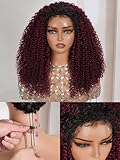
WIGCHIC 16" Kinky Curly Half Wig Human Hair Burgundy & Dark Roots | Flip-Over Drawstring | Seamless 4C Hairline | True Length | 3-in-1 Styling | Beginner Friendly (T1B/99J) | Check Price On Amazon |

|
Hair Removal Cream for Men & Women: Painless Depilatory for Sensitive Skin & Intimate Areas, Moisturizing with Aloe Vera & Vitamin E, Safe for Face, Underarms, Bikini, Arms (3.7 Fl Oz (Pack of 2)) | Check Price On Amazon |
|
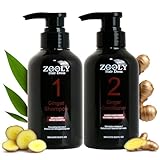
ZOOLY PROFESSIONAL Ginger Shampoo and Conditioner Sets 20.3 Fl Oz- Anti Hair Loss and Nourishes Hair Roots, Salon Level Scalp Care for Men and Women | Check Price On Amazon |

|
LUSN Baby Hair Clippers with Vacuum, Quiet Hair Trimmers for Kids, IPX7 Waterproof Rechargeable Cordless Haircut Kit for Baby Children Infant | Check Price On Amazon |
|
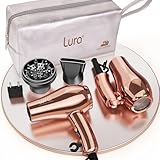
LURA Dual Voltage Travel Hair Dryer with Diffuser,Travel Blow Dryer Mini with EU Plug and UK Plug,Lightweight Portable Hairdryers with Folding Handle,1200W Compact Small Blowdryers for Women | Check Price On Amazon |
Before jumping into fixes, it helps to separate what actually causes synthetic wig shine from the common myths that lead people to use the wrong products and make things worse.
Myth vs Fact
Synthetic Wig Shine – Common Myths Debunked
Separating fact from fiction on the most common synthetic wig shine misconceptions
✗ Myth
Washing your synthetic wig removes the shine permanently.
✓ Fact
Washing with wig shampoo reduces product buildup shine temporarily, but does not change the underlying plastic fiber surface. The structural gloss of modacrylic fiber remains after washing unless you physically disrupt or coat the fiber surface using dry shampoo, fabric softener, or apple cider vinegar rinse.
✗ Myth
Expensive synthetic wigs do not look shiny.
✓ Fact
Price does not eliminate shine. Even premium synthetic wigs from brands like Raquel Welch, Jon Renau, and Gabor use modacrylic fiber, which has the same light-reflective surface as budget wigs. Higher-priced wigs may use finer fiber diameter (30-50 microns vs 60-80 microns in budget wigs), which reduces shine slightly, but does not eliminate it.
✗ Myth
You should use regular hair serum or oil to reduce synthetic wig shine.
✓ Fact
Silicone-based hair serums and oil treatments make synthetic wig shine significantly worse by adding a coating that increases light reflectivity. Only use products specifically formulated for synthetic fiber, or use household solutions like diluted fabric softener (1 part fabric softener to 3 parts water) which add softness without amplifying gloss.
✗ Myth
Heat styling a synthetic wig at low temperature removes the shine.
✓ Fact
Heat above the fiber’s rated tolerance (typically 300-320°F / 149-160°C for heat-resistant synthetic fiber) melts and permanently damages the fiber, making it look stringy and even more reflective. On standard synthetic fiber (not labeled heat-resistant), any heat tool contact above 120°F (49°C) causes irreversible fiber fusion and increased shine.
✗ Myth
Apple cider vinegar will damage your synthetic wig.
✓ Fact
A diluted apple cider vinegar rinse (1 tablespoon per 1 cup of cool water) is safe for most synthetic fibers and is one of the most effective low-cost methods for reducing gloss. The mild acidity (pH approximately 3.0) helps close surface micro-gaps in the fiber coating, reducing the uniform light reflection that causes visible shine.
Why Does a Synthetic Wig Look So Shiny in the First Place?
Synthetic wig fiber is made primarily from modacrylic polymer, a plastic-based material engineered to visually mimic human hair but constructed at a molecular level that is fundamentally different from keratin protein fiber.
Human hair has a cuticle layer made of overlapping scales (like roof tiles), each scale measuring approximately 60-80 micrometers in length, and these overlapping edges scatter incoming light in multiple directions. This irregular light scattering is what gives human hair its natural-looking, multi-dimensional sheen rather than a flat, uniform gloss.
Modacrylic synthetic fiber, by contrast, has a smooth, continuous outer surface with no cuticle structure. Light hits the fiber surface and reflects back in a single, consistent direction, producing the flat, plastic-looking shine that immediately signals “wig” to most observers.
Fiber diameter also matters. Budget synthetic wigs typically use fiber with a diameter of 60-80 microns, while premium synthetic wigs use finer fiber at 30-50 microns. Finer fiber creates slightly more irregular reflection patterns, which is why the difference between high-grade and low-grade synthetic fiber construction is often visible at a glance.
A new synthetic wig fresh from the packaging carries two types of shine simultaneously: structural shine from the fiber surface itself, and product shine from the factory-applied coating used to prevent tangling during shipping and storage.
The factory coating (typically a silicone-based conditioning agent) adds a second layer of gloss on top of the already-reflective fiber, which is why brand-new synthetic wigs almost always look shinier than ones that have been worn and washed a few times. Addressing both the coating shine and the structural fiber shine requires different techniques, and this distinction is exactly why some single-method approaches fail to produce lasting results.
Which Synthetic Wigs Are Most Prone to Excessive Shine?
Standard synthetic wigs made from basic modacrylic fiber show the most shine, particularly in straight or slightly wavy styles, because the fibers lie in a uniform direction that creates a continuous reflective surface.
Wavy and curly synthetic wigs reflect less light than straight synthetic wigs by default, because the curves and bends in the fiber orient individual strands at different angles, breaking up the uniform reflection pattern. This is why a straight synthetic bob cut typically looks shinier than a wavy shoulder-length synthetic wig at the same price point.
Heat-resistant synthetic fiber (marketed as “heat-friendly fiber” or “Futura fiber” by brands including Revlon, Motown Tress, and Sensationnel) tends to have slightly less initial shine than standard modacrylic because the modified polymer used in heat-resistant fiber has a marginally different surface texture. The improvement is real but modest, reducing shine by roughly 15-25% compared to standard fiber under the same lighting conditions.
Dark-colored synthetic wigs show shine more dramatically than lighter shades. Deep black (color code 1 or 1B in most wig color charts) and dark brown (colors 2 and 4) create the strongest contrast between the shiny fiber surface and ambient light, making the plastic appearance most obvious. Lighter shades like blonde (colors 22-613) and medium brown (color 6) diffuse light more and appear less aggressively shiny under normal indoor and outdoor lighting.
Wigs with a high-sheen finish applied during manufacturing, sometimes described as “silky” or “ultra-smooth” in product listings, are the hardest to de-shine because the surface coating is specifically designed to maximize gloss. Wigs described as “matte” or “natural look” in the product description typically use fiber treated to reduce reflectivity before packaging, and these are the best starting point if shine is a major concern for you.
How to Remove Factory Coating Shine from a New Synthetic Wig
The first step for any new synthetic wig is removing the factory silicone coating, which accounts for approximately 30-50% of the total shine on a brand-new unit. A proper first wash removes this coating without damaging the fiber, and the difference in shine level before and after is immediately visible.
Fill a basin or sink with cool water (never hot, as heat causes synthetic fiber to tangle irreversibly). Add 1-2 pumps of synthetic wig-specific shampoo and gently swirl to distribute.
Submerge the wig completely and gently move it through the water in a single direction (front to back) for 2-3 minutes. Do not scrub, rub, or agitate the fiber in circular motions, as this creates tangling and frizz that will compound the visual problem.
Rinse thoroughly with cool water until no shampoo remains. The rinse step matters more than most people realize: shampoo residue left in the fiber acts as a light-scattering coating that can paradoxically increase shine after drying.
After rinsing, gently blot the wig with a microfiber towel (never rub). Place it on a wig stand or mannequin head and allow it to air dry completely at room temperature. Never use a blow dryer on a standard synthetic wig, as even the cool setting on most blow dryers can reach temperatures that distort synthetic fiber.
Once dry, compare the shine level to the pre-wash state. For many wigs, this single step reduces shine by 30-40%, making the wig noticeably more natural-looking without any additional treatment needed.
The following step-by-step guide covers the most effective de-shining method using the apple cider vinegar rinse technique, which works on virtually all synthetic fiber types and produces results within 20-30 minutes.
Step-by-Step Guide
How to De-Shine a Synthetic Wig with Apple Cider Vinegar – Step by Step
7 steps · Estimated total time: 20 to 30 minutes active, plus drying time
Mix the apple cider vinegar rinse solution
Combine 1 tablespoon of raw, unfiltered apple cider vinegar with 1 cup (240ml) of cool water in a bowl or spray bottle. This dilution creates a mildly acidic rinse at approximately pH 3.5-4.0, which is safe for all synthetic fiber types and effective at reducing surface gloss without stripping fiber coating.
Wash the wig first if it has not been washed recently
Use synthetic wig shampoo in cool water to remove any product buildup or factory coating before applying the ACV rinse. Rinse all shampoo out completely before proceeding to step 3, as shampoo residue will interfere with the ACV rinse’s effectiveness.
Apply the ACV rinse to the wig fiber
Either submerge the washed (still damp) wig in the ACV solution for 3-5 minutes, or spray the solution evenly across the entire fiber from root to end using a spray bottle. Work from the top of the wig cap downward to ensure complete, even coverage across all fiber layers.
Let the rinse sit for 3-5 minutes
Allow the diluted ACV to remain in contact with the fiber for 3-5 minutes without rinsing. This contact time allows the mild acidity to slightly roughen the smooth polymer surface at a microscopic level, creating irregularities that scatter light more like natural hair does. Do not exceed 10 minutes, as prolonged contact on very fine fiber can cause slight stiffness.
Rinse with cool water only
Rinse the wig thoroughly with cool water to remove all traces of ACV solution. Some wig wearers skip this rinse to maximize the de-shining effect, but leaving undiluted ACV in the fiber long-term can cause slight dryness and stiffness in some fiber types. A complete rinse is the safer approach for long-term fiber health.
Blot dry and air dry on a wig stand
Gently blot excess water with a soft microfiber towel using pressing motions only (no rubbing). Place the wig on a wig stand or mannequin head and allow it to dry completely at room temperature, which typically takes 2-4 hours depending on the wig’s length and density. The wig must be fully dry before you assess the shine reduction result.
Apply dry shampoo for additional shine control if needed
Once the wig is fully dry, lightly mist a dry shampoo or use a cornstarch-based powder to further reduce any remaining shine. Hold the dry shampoo spray approximately 12 inches from the fiber and apply in short bursts to avoid product buildup. Gently run a wide-tooth comb through the fiber to distribute and remove excess product.
The 7 Most Effective Methods for Reducing Synthetic Wig Shine
Different de-shining methods work through different mechanisms, and the best results typically come from combining two or three techniques rather than relying on a single approach. The seven methods below are ranked by effectiveness, ease, and safety for synthetic fiber.
1. Dry Shampoo or Cornstarch Application
Dry shampoo is the fastest and most reversible de-shining method, and it works immediately without any drying time required. The talc or starch particles in dry shampoo settle onto the fiber surface and physically interrupt the uniform light reflection that causes synthetic wig shine.
Hold a dry shampoo formulated for wigs or a standard dry shampoo (white powder formula works best) about 10-12 inches from the wig and spray in short 1-second bursts across sections of the fiber. Work from the front of the wig toward the back, then use a wide-tooth detangling comb to distribute the product and remove any visible white residue.
Plain cornstarch or baby powder works as a zero-cost alternative to dry shampoo. Apply a very small amount to your fingertips and lightly work it into the fiber surface, concentrating on the areas where shine is most visible (typically the top layer and any highlighted sections). On dark synthetic wigs (black or dark brown), use sparingly to avoid a white-tinted appearance, or choose a tinted dry shampoo product instead.
The de-shining effect of dry shampoo lasts for one wear and is removed with the next washing. This makes it ideal as a quick daily fix before wearing the wig, while other methods below provide more lasting structural changes to the fiber surface.
2. Apple Cider Vinegar Rinse
A diluted apple cider vinegar rinse (1 tablespoon ACV per 1 cup cool water, approximately pH 3.5-4.0) is one of the most consistently effective methods for reducing built-in structural shine in synthetic fiber. The mild acidity works at the polymer surface level to slightly roughen the otherwise perfectly smooth outer coating of modacrylic fiber.
The results are semi-permanent: the ACV treatment effect typically lasts through 4-6 washes before the fiber returns to its previous reflectivity level, at which point the treatment can be repeated. Regular ACV rinses every 3-4 washes help maintain a reduced-shine appearance over the life of the wig.
3. Fabric Softener Soak
A diluted fabric softener soak (1 capful of liquid fabric softener per 4 cups of cool water) reduces both shine and stiffness in synthetic wigs simultaneously. The conditioning agents in fabric softener coat the synthetic fiber at a molecular level, adding a subtle texture to the otherwise smooth polymer surface that diffuses light and reduces the plastic-looking gloss.
Submerge the wig in the fabric softener solution for 3-5 minutes, then rinse thoroughly with cool water. The anti-static properties of fabric softener also reduce the static electricity buildup that causes synthetic wigs to frizz and separate into stringy sections, which is a secondary benefit of this treatment.
This method is particularly effective on straight or slightly wavy synthetic wigs, where uniform fiber alignment creates the most intense shine. A gentle, fragrance-free fabric softener is preferred to avoid any residue that could cause itching when the wig is worn against the scalp or forehead.
4. Synthetic Wig Conditioner or Leave-In Spray
Synthetic wig-specific conditioners and leave-in sprays are formulated to add softness and reduce shine without the silicone overload that makes regular human hair serums counterproductive on synthetic fiber. These products typically use lightweight polymer-coating agents that add a slight texture to the fiber surface rather than a gloss-amplifying silicone film.
Apply a synthetic wig leave-in conditioner spray lightly to damp or dry fiber, focusing on the mid-lengths and ends where shine is usually most intense. Avoid applying heavily to the root area near the wig cap, as buildup at the roots can make the cap construction visible and change the way the wig sits on your head.
5. Steam Treatment (Heat-Resistant Fiber Only)
For heat-resistant synthetic wigs (labeled “heat-friendly” with a temperature tolerance of 300-320°F / 149-160°C), gentle steam treatment using a handheld hair steamer or clothes steamer held 6-8 inches from the fiber can reduce shine while simultaneously resetting the wave or curl pattern.
Steam works by softening the polymer surface of heat-resistant fiber slightly, allowing micro-texture to develop as the fiber cools. This technique does not work on standard synthetic fiber (non-heat-resistant), as steam temperatures typically reach 200-212°F (93-100°C), which is sufficient to distort standard modacrylic fiber. Always check the wig’s heat tolerance rating before applying any heat or steam.
6. Tea Rinse
A strong brewed black tea rinse (2 tea bags steeped in 2 cups of boiling water, cooled completely to room temperature before use) is a gentle alternative to ACV rinse for wigs where you want a very mild de-shining effect. The tannins in black tea create a similar mild-acidic effect on the fiber surface at approximately pH 4.5-5.0, slightly less aggressive than ACV at pH 3.5.
Tea rinse is particularly popular among synthetic wig wearers with darker-colored wigs, as the tan tint in the tea can actually enhance the depth of dark brown and black synthetic fibers while simultaneously reducing shine. Apply the cooled tea rinse by pouring it over the wig while it sits on a wig stand, allowing it to soak for 5 minutes before rinsing with cool water.
7. Shine-Reducing Wig Spray Products
Several commercial products are specifically designed to reduce synthetic wig shine without washing, including Revlon Wig Spray, It’s a 10 Wig Spray, and Got2B Guardian Angel spray. These products work by depositing light-diffusing particles onto the fiber surface in a mist that does not require rinsing.
A wig anti-shine spray is the most convenient option for daily use, as it applies in under a minute and provides immediate results. The effect lasts through one wearing period and is removed or refreshed at the next wash.
How to Tell If Your Wig Shine Is From Fiber or From Product Buildup
Distinguishing between structural fiber shine and product-buildup shine is important because the solutions are different: product buildup shine responds to washing, while structural fiber shine requires surface-treatment methods. Applying the wrong fix wastes time and risks damage to the wig fiber.
Product buildup shine typically looks uneven, with some sections appearing shinier than others, particularly the areas you handle most often (the top layer, the front, and the sides near the face). Structural fiber shine is more uniform across the entire wig surface, with the top layer and any sections that catch direct light showing the most gloss.
Run a finger slowly along the top layer of the wig fiber. If the fiber feels tacky, greasy, or waxy to the touch, product buildup is contributing significantly to the shine. Clean synthetic fiber feels smooth but not sticky, and the shine from clean modacrylic fiber is uniform and non-tacky.
If you have been using regular human hair products on your synthetic wig (silicone serums, heavy conditioners, oil treatments, or pomades), these products accumulate on the non-porous synthetic fiber surface much faster than they do on human hair. Synthetic fiber does not absorb products the way human hair does, so they remain entirely on the surface as an ever-thickening coating that amplifies shine with each application.
A thorough wash with wig-safe clarifying shampoo once per month removes product buildup effectively. After this deep-cleanse wash, if the wig still looks uniformly shiny with no product residue on the fiber, you are dealing with structural fiber shine and need the surface-treatment methods described above.
Products That Make Synthetic Wig Shine Worse (And What to Use Instead)
Several commonly available hair products actually amplify synthetic wig shine rather than reducing it, and these are the most important products to avoid when caring for synthetic fiber.
| Product to Avoid | Why It Makes Shine Worse | Safe Alternative |
|---|---|---|
| Silicone hair serum (e.g. Argan oil serum, Moroccan Oil) | Silicones coat synthetic fiber surface, amplifying light reflection by 40-60% | Synthetic wig-specific leave-in spray or diluted fabric softener |
| Regular conditioner (human hair formula) | Builds up on non-porous synthetic fiber surface, creating greasy film that amplifies shine | Synthetic wig conditioner or 1-capful fabric softener in 4 cups water |
| Natural oils (argan, coconut, castor oil) | Oils coat synthetic fiber and cannot be fully absorbed, creating persistent oily gloss | Dry shampoo, cornstarch, or ACV rinse |
| Human hair shine spray or gloss spray | Designed to add shine to human hair, dramatically amplifies existing synthetic wig gloss | Wig anti-shine spray or matte-finish wig spray |
| Sulfate-containing shampoo used repeatedly | Strips fiber coating unevenly, creating patchy shine with some sections more reflective than others | Synthetic wig shampoo (sulfate-free, pH-balanced at approximately 5.5-6.5) |
| Hot tools above fiber tolerance (heat irons on standard synthetic) | Melts fiber surface, creating permanent glossy fused sections that cannot be reversed | Steam treatment only on heat-resistant fiber; no heat tools on standard synthetic |
The most common mistake synthetic wig wearers make is treating their wig like human hair and reaching for the same products they use on their natural hair. Products formulated for human hair keratin fiber behave completely differently on modacrylic polymer, and the results range from temporary shine amplification to permanent fiber damage.
If you are unsure whether a product is safe for your synthetic wig, following a maintenance routine built specifically for synthetic fiber types will prevent most product-related damage before it starts.
Does Wearing a Synthetic Wig More Often Reduce the Shine?
Yes, regular wear does reduce synthetic wig shine over time, and this is one of the most consistently reported observations in wig-wearing communities including r/Wigs and various beauty forums. The mechanism is physical: friction from movement, contact with clothing collars and shoulders, and regular styling with combs and brushes all create micro-abrasions on the smooth synthetic fiber surface that gradually increase light scattering.
A new synthetic wig that looks unacceptably shiny on day one typically looks noticeably more natural after 4-8 wears, even without any active de-shining treatment. The top layer of the wig (the most visible section) experiences the most friction and usually de-shines first, while the inner layers maintain their original gloss longer.
This is why many experienced wig wearers deliberately style and brush a new synthetic wig more vigorously than they would with an established wig during the first few wears, using a loop-bristle wig brush to create gentle friction across the fiber surface without causing tangling. This accelerated “breaking in” process can compress the initial shine-reduction timeline from 4-8 wears to 2-3 wears when combined with an ACV rinse.
The downside of relying on wear to reduce shine is that the same friction process that reduces gloss also gradually degrades the fiber’s integrity over time. Synthetic wigs typically last 3-6 months with regular wear, and the shine reduction that occurs naturally through use is essentially the beginning of the fiber degradation cycle rather than a quality improvement.
How to De-Shine a Synthetic Wig Without Washing It
Sometimes you need to reduce synthetic wig shine quickly without the time commitment of a full wash-and-dry cycle. Several methods work effectively on dry synthetic fiber and take less than 5 minutes to apply.
Dry shampoo application is the fastest option, as described in the 7-method section above. For an equally fast alternative, lightly mist the wig with a solution of water and a small amount of white hair mousse (1 pump of mousse per 1 cup of water in a spray bottle). The lightweight polymers in mousse create a slight texture on the fiber surface that diffuses light without adding weight or buildup.
A clean boar bristle brush worked gently through the top layer of the wig can also reduce shine immediately by creating micro-texture through gentle abrasion. Work from the front hairline toward the back in smooth strokes, applying just enough pressure to create gentle friction on the fiber surface without pulling or stretching the wig cap.
For synthetic wigs with a straight style, gently teasing the underlayer at the crown with a fine-tooth teasing comb and then smoothing the top layer back over it adds subtle volume and breaks up the uniform fiber direction that amplifies shine. This technique takes about 3 minutes and significantly reduces the flat, plastic appearance without any product application.
The Fabric Softener Method: Full Instructions and Best Practices
The diluted fabric softener soak is arguably the most effective single-step de-shining method for synthetic wigs, and it is a technique with strong consensus across the r/Wigs community, multiple wig care forums, and YouTube tutorials with combined view counts in the millions. The method works because fabric softener deposits cationic conditioning agents (positively charged polymers) onto the synthetic fiber surface, creating a thin coating that interrupts the smooth, uniform reflectivity of modacrylic polymer.
Fill a clean basin or sink with 4 cups of cool water. Add exactly 1 capful (approximately 1 tablespoon) of liquid fabric softener. Using more than this amount does not improve results and leaves a residue on the fiber that can cause scalp irritation when the wig is worn. Fragrance-free fabric softener is the safest option for anyone with scalp sensitivity.
Submerge the wig in the solution and gently swirl it for 1-2 minutes to ensure the fabric softener solution contacts all fiber layers. Allow the wig to soak for an additional 3-5 minutes without agitation.
Remove the wig and gently squeeze (do not wring or twist) to remove excess solution. Rinse with cool water until the water runs clear. Place on a wig stand and air dry completely before wearing or assessing the results.
The fabric softener treatment also significantly reduces static electricity in synthetic wigs, which is a separate issue from shine but often occurs simultaneously. Static causes synthetic fiber to separate, cling to clothing and face, and create a flyaway appearance that amplifies the overall artificial look. The anti-static benefit of the fabric softener treatment lasts approximately 2-3 weeks before the effect wears off.
This method can be repeated every 3-4 washes as part of your regular wig care routine. If you notice the wig developing a slightly waxy feel after multiple fabric softener treatments, do a clarifying wash with a gentle wig shampoo before the next fabric softener application to remove any accumulated product residue.
Does Dry Shampoo Damage Synthetic Wigs?
Standard dry shampoo used in moderation does not damage synthetic wig fiber, but heavy or frequent dry shampoo application causes product buildup on the non-porous synthetic fiber surface faster than it does on human hair. Human hair fiber absorbs some dry shampoo particles into the cuticle layer, while synthetic fiber retains 100% of applied product on the surface.
The practical consequence is that synthetic wigs require more frequent washing when dry shampoo is used regularly, approximately every 7-10 days versus every 10-14 days without dry shampoo use. Unwashed product buildup on synthetic fiber creates a dull, heavy appearance that can eventually make the wig look worse than the original shine problem it was applied to address.
Cornstarch is a gentler alternative to commercial dry shampoo for synthetic wigs because it has a finer particle size and leaves less residue per application. Apply cornstarch using a clean makeup brush (a large powder brush or fluffy blush brush works well) for more precise, lightweight application than shaking powder directly from a container.
Can You Use Heat to Remove Shine from a Synthetic Wig?
Heat application to reduce synthetic wig shine is only appropriate for heat-resistant synthetic fiber wigs specifically labeled with a temperature tolerance of 300-320°F (149-160°C), and even then, direct heat tool application (flat irons, curling wands) is not the correct method. The appropriate heat-based technique for heat-resistant fiber is steam application, not direct contact heat tools.
Standard synthetic wigs (not labeled heat-resistant) cannot tolerate any heat tool contact. Attempting to apply a flat iron or curling iron to standard synthetic fiber at any temperature above approximately 120-140°F (49-60°C) causes irreversible fiber melting. The result is permanent glossy, fused sections that appear even shinier and more plastic-looking than the original unprocessed fiber.
For heat-resistant synthetic wigs where steam treatment is appropriate, use a handheld clothes steamer or hair steamer held at 6-8 inches from the fiber surface. Move the steamer continuously across the fiber in sweeping motions and never hold it in one place for more than 2-3 seconds. Allow the fiber to cool completely before touching or styling, as heat-softened synthetic fiber is most vulnerable to stretching and distortion while warm.
If you are unsure whether your wig is heat-resistant, perform a strand test first: hold a few strands from the underside of the wig cap (where any damage will be hidden) near steam for 3-5 seconds. If the fiber maintains its structure and does not melt, fuse, or become glossier, it is likely heat-resistant. If any distortion occurs, do not apply heat or steam to the wig at all.
How Human Hair Wigs Compare to Synthetic Wigs on the Shine Issue
Human hair wigs do not have the same plastic-looking shine problem as synthetic wigs because the cuticle structure of real human hair creates natural, multi-directional light scattering. However, human hair wigs can develop their own shine-related issues: specifically, a greasy shine from heavy conditioning treatments, a flat shine from silicone-based serums, and an over-processed shine from repeated heat styling that damages the cuticle and causes it to lie flat.
The fundamental difference is reversibility: shine on a human hair wig from product buildup or styling damage can be corrected through proper washing and conditioning protocols, while structural shine on a synthetic wig requires surface-treatment methods that do not actually change the fiber’s polymer composition, only temporarily mask or slightly modify its surface reflectivity.
Human hair wigs cost significantly more than synthetic wigs, typically $150-$500 for standard human hair lace front wigs compared to $20-$100 for synthetic lace front wigs, but they offer the advantage of styling versatility and more natural appearance without the shine-management work that synthetic wigs require. Understanding the full cost and care differences between human hair and synthetic wig options helps you decide whether investing in human hair is worthwhile for your lifestyle and budget.
If synthetic wig shine is consistently a frustration for you despite using the de-shining methods above, switching to a human hair wig (or a high-quality heat-friendly synthetic wig with finer 30-40 micron fiber diameter) may be the most practical long-term solution.
The practical difference between an untreated brand-new synthetic wig and one that has been properly de-shined using the combination ACV-plus-dry-shampoo method is significant enough to change whether the wig reads as natural or artificial in most lighting conditions.
Results
What Changes When You De-Shine a Synthetic Wig Correctly
Comparing a brand-new synthetic wig to one treated with ACV rinse plus dry shampoo application
Before Treatment
- ✗Uniform flat gloss visible across entire wig surface in all lighting
- ✗Factory silicone coating adds second layer of shine on top of fiber gloss
- ✗Fiber appears plastic and one-dimensional under indoor and outdoor light
- ✗Static flyaways separate fiber strands, amplifying the artificial appearance
- ✗Dark colors (black, dark brown) show maximum contrast shine under direct light
After Treatment
- ✓Light scatters more irregularly across fiber surface, mimicking natural hair sheen
- ✓Factory coating removed, reducing base shine level by approximately 30-40%
- ✓ACV micro-surface treatment adds slight fiber texture that diffuses direct light
- ✓Dry shampoo particles provide immediate additional shine interruption at surface level
- ✓Anti-static benefit from fabric softener treatment keeps fiber lying naturally without flyaways
Combining the factory-coating wash, ACV rinse, and dry shampoo application reduces visible synthetic wig shine by approximately 50-70% under typical indoor and outdoor lighting conditions.
How to Keep a Synthetic Wig Looking Less Shiny Over Time
Maintaining reduced shine in a synthetic wig requires a consistent care routine that prioritizes the right products and avoids the common mistakes that cause shine to return or worsen. The routine below takes approximately 20-30 minutes per wash cycle and is appropriate for wigs worn 2-4 days per week.
Wash your synthetic wig every 10-14 days of wear using a gentle synthetic wig shampoo in cool water, using single-direction movement to prevent tangling. Follow every wash with either a diluted ACV rinse or a diluted fabric softener soak as described above, then rinse thoroughly and air dry on a wig stand.
Before each wear, apply a light mist of synthetic wig leave-in spray or dry shampoo to maintain the reduced-shine effect from the last treatment. Keep all silicone-based products, natural oils, and human hair conditioners away from the wig entirely.
Store your synthetic wig on a wig stand or in a satin wig storage bag when not in use. Storing the wig on a stand keeps the fiber aligned in a consistent direction, which minimizes the type of tangling that causes you to need to brush more aggressively and accelerate fiber degradation. Avoiding unnecessary friction during storage helps extend the period between de-shining treatments.
Do a clarifying wash once per month using a gentle clarifying formula to prevent product buildup from the regular de-shining treatments accumulating on the fiber surface. Product buildup on synthetic fiber creates a different kind of shine (waxy and uneven) that is different from structural fiber shine and requires the clarifying wash to remove effectively.
Understanding how frequently to wash and condition your synthetic wig compared to human hair wigs helps you build a routine that prevents both product buildup and unnecessary fiber wear. Checking which shampoo formulas are gentle enough for regular wig use ensures you are not inadvertently stripping the fiber coating with harsh cleansers.
Synthetic Wig Shine: Troubleshooting Common Problems
| Problem | Root Cause | Solution | Prevention |
|---|---|---|---|
| Wig looks even shinier after washing | Shampoo residue left in fiber, or silicone-containing shampoo used | Re-rinse thoroughly in cool water, then apply ACV rinse (1 tbsp per 1 cup water) | Use only silicone-free synthetic wig shampoo; rinse until water runs completely clear |
| Dry shampoo leaves white patches on dark wig | Over-application or incorrect distribution of dry shampoo product | Brush out white residue with wide-tooth comb; switch to tinted dry shampoo or cornstarch applied with a brush | Apply dry shampoo 12 inches from fiber in very short bursts; comb through immediately after each burst |
| Fabric softener treatment caused wig to feel waxy | Too much fabric softener used, or treatment applied too frequently without clarifying wash | Clarifying wash with gentle wig shampoo to remove buildup, followed by thorough cool-water rinse | Use maximum 1 capful fabric softener per 4 cups water; clarify once before every 3rd fabric softener treatment |
| ACV rinse made wig fiber feel dry or stiff | ACV concentration too high or contact time too long (over 10 minutes) | Follow with diluted fabric softener soak (1 capful per 4 cups water) to restore softness | Keep ACV dilution at 1 tbsp per 1 cup water maximum; limit contact time to 3-5 minutes |
| Shine returns immediately after de-shining treatment | Only product buildup was addressed, not structural fiber shine; product buildup re-accumulating quickly | Combine ACV rinse with dry shampoo application on every wash; audit all products used on wig for silicone content | Use only synthetic wig-specific products; remove all silicone serums and oil treatments from wig care routine entirely |
| Certain sections shine more than others after treatment | Uneven product application during de-shining treatment, or localized product buildup from hand contact | Spot-treat shinier sections with additional dry shampoo; focus ACV rinse application on those sections specifically | Ensure even coverage when applying ACV rinse by using spray bottle rather than bowl submersion |
Is the Shine on a Synthetic Wig a Sign of Poor Quality?
Shine on a new synthetic wig is not primarily a quality indicator: it is a material property of modacrylic fiber that affects all synthetic wigs regardless of price point. Even premium synthetic wigs from brands like Raquel Welch ($200-$400 retail), Jon Renau ($150-$350), and Gabor ($100-$250) have noticeable shine when first worn, because all of these brands use modacrylic fiber despite their quality positioning.
The quality factors that do influence shine severity are fiber diameter (finer fiber = less shine, typically 30-50 microns in premium wigs vs 60-80 microns in budget wigs), fiber surface treatment applied at the manufacturing stage, and cap construction quality. Higher-quality synthetic wigs also tend to have less dramatic factory coating shine because they are typically packaged and stored in ways that minimize the heavy silicone coating needed to prevent cheap fiber from tangling during shipping.
The most shine-resistant synthetic wigs currently available use what manufacturers describe as “natural-look fiber,” “matte fiber,” or “anti-shine fiber” in their product descriptions. These wigs use fiber that has been treated during manufacturing to reduce surface reflectivity, and while they still require de-shining maintenance, they start from a significantly lower baseline shine level. Brands currently producing wigs with this treated fiber include Noriko, Ellen Wille, and selected lines from Revlon.
If you find yourself spending significant time and energy managing synthetic wig shine, it is worth comparing the total maintenance commitment of your synthetic wig to a human hair alternative, since how synthetic and human hair fiber behave differently at the structural level explains why these maintenance differences are permanent rather than solvable through product choice alone.
How to Pick a Synthetic Wig That Starts With Less Shine
Choosing a synthetic wig with the lowest possible starting shine level reduces the amount of de-shining work required and produces a more natural appearance from the first wear.
Look for these indicators in the wig product description and listing images before purchasing:
- Fiber description: Look for terms like “natural look fiber,” “matte finish fiber,” “anti-glare fiber,” or “heat-friendly Kanekalon” rather than “silky smooth” or “ultra-glossy” which indicate high-shine fiber.
- Cap construction: Monofilament top caps and hand-tied caps allow individual fiber strands to move more freely and in multiple directions, which reduces the uniform fiber alignment that amplifies shine. Machine-wefted caps align all fiber in the same direction, maximizing shine.
- Style choice: Wavy and curly synthetic styles have inherently less shine than straight styles due to the multi-directional fiber orientation in the wave or curl pattern.
- Color choice: Medium brown (colors 6-10), medium blonde (colors 12-18), and ombre or highlighted colors show less shine than solid dark (colors 1-4) or solid platinum colors, because multi-tonal color variation creates visual complexity that masks uniform gloss.
- Brand reputation: Brands specifically marketing “natural look” technology (Noriko, Jon Renau’s SmartLace Synthetic line, Raquel Welch’s Tru2Life fiber) have invested in fiber treatment during manufacturing that measurably reduces starting shine levels compared to unbranded or fashion-wig brands.
- Product images: Look for listing photos taken in direct sunlight or bright studio lighting. A wig that looks natural in these conditions will look even more natural in typical indoor and outdoor conditions. If the wig looks visibly glossy in the seller’s own promotional photos, it will look even shinier in real-world lighting.
Wig density also plays a role in perceived shine: lower density wigs (130% density) show more scalp through the fiber, which can create a more natural appearance at the hairline and part, while higher density wigs (180-200% density) create a thicker, more uniform surface that can amplify shine by presenting more fiber surface area at the same angle simultaneously. Understanding how different density percentages change the overall appearance of a wig helps you make a more informed choice before purchasing.
Frequently Asked Questions About Synthetic Wig Shine
Why does my synthetic wig look shiny but my friend’s wig does not?
Quick Answer: The difference is usually fiber type and treatment method. Your friend likely has a wig with finer fiber diameter (30-50 microns vs 60-80 microns), a treated matte-finish fiber, or has been using regular de-shining treatments like ACV rinse or dry shampoo application that you have not been using yet.
Wig age also plays a role: a synthetic wig that has been worn 15-20 times will naturally look less shiny than a brand-new wig because regular wear and washing gradually abrades the smooth fiber surface. If your friend’s wig is older and yours is new, that alone explains most of the visible difference.
How long does the apple cider vinegar rinse de-shining effect last?
Quick Answer: The ACV rinse effect typically lasts 4-6 washes before the fiber returns to its previous reflectivity level. Repeating the ACV rinse every 3-4 wash cycles maintains a consistently lower shine level over the life of the wig.
The effect fades because the mild surface modification from ACV is gradual and cumulative rather than permanent. Each repeated ACV treatment adds slightly more micro-texture to the fiber surface, so wigs treated multiple times over several months show progressively reduced shine compared to the first treatment.
Can I use regular human hair shampoo on a synthetic wig to reduce shine?
Quick Answer: No. Regular human hair shampoos are formulated for keratin protein fiber at pH 4.5-5.5, while synthetic modacrylic fiber requires a higher pH range of approximately 5.5-6.5 for safe cleaning. Human hair shampoo at the wrong pH can strip the synthetic fiber’s surface coating unevenly, causing patchy shine and fiber damage.
Additionally, many human hair shampoos contain silicone conditioning agents that amplify synthetic fiber shine rather than reducing it. Always use a shampoo specifically labeled for synthetic or fashion wigs to avoid both pH damage and silicone buildup.
Will washing my synthetic wig more often make it less shiny?
Quick Answer: More frequent washing alone does not reduce structural fiber shine, but it does prevent product buildup shine from accumulating. Washing more often than every 7-10 days of wear can actually accelerate fiber degradation without providing additional de-shining benefit.
The most effective approach is washing at the correct interval (every 10-14 days of wear for most people), following each wash with an ACV rinse or fabric softener treatment, and using dry shampoo between washes to manage daily shine without additional washing.
Is the shine on a new synthetic wig harmful to wear near my skin?
Quick Answer: The factory silicone coating that contributes to new wig shine is generally non-toxic and safe for skin contact, but people with silicone sensitivity or contact dermatitis may experience irritation from extended contact with the coating, particularly along the hairline and forehead where the wig sits directly against skin.
Washing the wig before the first wear removes most of the factory coating and is recommended regardless of skin sensitivity. If you notice redness or irritation along the hairline after wearing a new synthetic wig, washing it thoroughly before the next wear typically resolves the issue.
Can I use dry shampoo on a wet synthetic wig?
Quick Answer: No. Dry shampoo must be applied to fully dry fiber to work effectively. Applying dry shampoo to wet or damp synthetic fiber causes the product to clump together in visible white patches that are difficult to remove without re-washing the wig.
Always allow the wig to air dry completely on a wig stand before applying any dry shampoo or powder product. The drying time is typically 2-4 hours depending on wig length and density.
What is the difference between synthetic wig shine and synthetic wig frizz?
Quick Answer: Synthetic wig shine is a light-reflection issue caused by the smooth polymer fiber surface, while synthetic wig frizz is a fiber-integrity issue caused by friction, static electricity, heat exposure, or washing with hot water. Both can occur simultaneously but require different treatments.
De-shining methods (ACV rinse, dry shampoo, fabric softener) address the light-reflection problem without necessarily improving frizz. If your wig has both problems, address the frizz first using the appropriate restoration methods, then apply the de-shining treatment to the restored fiber. If you need guidance on fixing frizz alongside shine, understanding how to restore frizzy synthetic fiber to a smooth, manageable state is the correct starting point.
Does the color of my synthetic wig affect how shiny it looks?
Quick Answer: Yes, significantly. Black (color 1) and dark brown (colors 2-4) synthetic wigs show the most dramatic shine because the strong contrast between the dark fiber and reflected light creates maximum visual gloss. Medium and lighter shades (colors 6-613) appear 20-35% less shiny under identical lighting conditions because the color contrast is lower.
Multi-tonal colors like ombre, balayage, and highlighted synthetic wigs appear the least shiny overall because the color variation across individual fibers creates visual complexity that interrupts the perception of uniform gloss, even when the fiber surface itself is identical to a solid-color wig.
Will dry shampoo change the color of my dark synthetic wig?
Quick Answer: White powder dry shampoos can create a visibly grayish or ashy tint on black and dark brown (colors 1-4) synthetic wigs when applied too heavily. Tinted dry shampoos formulated for dark hair (available in brown and black tints) eliminate this problem entirely for dark-colored wigs.
Alternatively, applying plain cornstarch with a makeup brush using very light, targeted strokes produces the same shine-reducing effect as dry shampoo without the white-powder residue problem. Use a large fluffy powder brush to apply a tiny amount of cornstarch, blending immediately after each application.
Can I use a hair straightener to reduce synthetic wig shine?
Quick Answer: Never use a hair straightener on a standard synthetic wig (not labeled heat-resistant). Flat irons above 120-140°F (49-60°C) cause permanent fiber melting that creates a fused, stringy appearance that is more reflective and plastic-looking than the original wig. For heat-resistant synthetic wigs rated at 300-320°F (149-160°C), a flat iron is safe for styling but does not reduce shine.
The misconception that heat styling de-shines synthetic wigs comes from the fact that heat styling a heat-resistant synthetic wig changes its shape (adding waves or curls), and wavy or curly styles appear less shiny than straight styles. The shine reduction is from the style change, not from any effect of heat on the fiber surface.
How do I know when my synthetic wig is too far gone to de-shine effectively?
Quick Answer: When synthetic fiber has been heat-damaged, the resulting fused, glossy sections cannot be reversed by any de-shining treatment because the polymer surface has permanently changed at a molecular level. If sections of your wig feel melted, stiff, or look distinctly more reflective than other sections after washing, those sections are permanently damaged.
A wig where more than 20-30% of the fiber shows this type of permanent damage is past the point where de-shining treatment is practical, and replacement is the more cost-effective solution. Standard synthetic wigs cost $20-$80, and a new wig with consistent fiber integrity is always going to look better than a heavily damaged wig treated with multiple de-shining products.
Does the fabric softener method work on heat-resistant synthetic fiber?
Quick Answer: Yes, the diluted fabric softener soak (1 capful per 4 cups cool water, 3-5 minute soak) works equally well on heat-resistant synthetic fiber (Futura fiber, Kanekalon heat-resistant) as it does on standard modacrylic fiber. The conditioning mechanism is the same for both fiber types.
Heat-resistant fiber tends to hold the anti-static benefit of fabric softener slightly longer than standard fiber, approximately 3-4 weeks versus 2-3 weeks, due to the different polymer composition used in heat-resistant fiber. The de-shining effect duration is comparable between both fiber types at approximately 4-6 washes.
Can I mix multiple de-shining methods in the same wash session?
Quick Answer: Yes, and combining methods produces better results than using a single treatment alone. The most effective combination is: synthetic wig shampoo wash (removes factory coating and product buildup), followed by ACV rinse (surface treatment for structural shine), followed by fabric softener soak (adds anti-static benefit and additional surface softening), followed by dry shampoo application after drying (immediate shine control for first wear).
This full combination treatment on a new synthetic wig reduces initial shine by approximately 50-70% compared to the unwashed, untreated state. Perform this full combination treatment on the first wash, then use the ACV rinse or fabric softener (alternating) on subsequent washes for ongoing maintenance.
For ongoing care and to understand how to fully maintain both the appearance and lifespan of your synthetic wig, a complete overview of wig buying, wearing, and care across all wig types gives you the full context needed to maintain your wig investment long-term.
When to Replace a Synthetic Wig Instead of Trying to Fix the Shine
Some synthetic wigs reach a point where the cost of continued maintenance (products, time, and frustration) exceeds the cost of simply replacing the wig with a better-quality alternative. Recognizing this point prevents wasted effort on an unrepairable wig.
Replace your synthetic wig rather than continuing to attempt de-shining if: the fiber has been heat-damaged (fused or melted sections), the cap construction is breaking down (stitching separating, wefts coming loose), the fiber is matting at the nape or roots despite regular detangling, or the wig has been worn more than 3-4 months with daily wear (standard synthetic lifespan).
If your budget allows, consider upgrading to a heat-resistant synthetic wig with matte-finish fiber from brands like Jon Renau, Noriko, or Raquel Welch, which cost $100-$350 but provide significantly better natural appearance from the start. Alternatively, a human hair lace front wig at $150-$300 eliminates the structural shine problem entirely by using real keratin fiber with natural cuticle-layer light scattering.
For those who prefer to stay with synthetic wigs for their lower maintenance commitment and lower cost, keeping 2-3 synthetic wigs in rotation extends each wig’s lifespan by reducing wear frequency per wig, which also slows the fiber degradation cycle that eventually makes de-shining treatments less effective.
Synthetic wig shine is a fixable problem for most wigs using the methods in this guide, and the combination of an ACV rinse, dry shampoo, and fabric softener treatment takes under 30 minutes total. Start with the first wash and ACV rinse on any new synthetic wig before the first wear, and you will immediately see a more natural result that makes all subsequent de-shining maintenance easier to maintain.
| Photo | Popular Hair Product | Price |
|---|---|---|
|
|
Kkioor 24 Inch Chocolate Brown Human Hair Wig 200 Density Body Wave Lace Front Wigs Human Hair Pre Plucked 13X4 HD Frontal Wig 4# Colored Brown Wig For Women Glueless Wigs | Check Price On Amazon |
|
|
KingSup 613 Lace Front Wig Human Hair Pre Plucked 250 Density 26 Inch 5x5 HD Lace Closure Straight Blonde Wig Human Hair, 100% Real Human Hair without Synthetic Blend Tangle Free Triple Lifespan 3X | Check Price On Amazon |
|
|
WIGCHIC 16" Kinky Curly Half Wig Human Hair Burgundy & Dark Roots | Flip-Over Drawstring | Seamless 4C Hairline | True Length | 3-in-1 Styling | Beginner Friendly (T1B/99J) | Check Price On Amazon |
|
|
Hair Removal Cream for Men & Women: Painless Depilatory for Sensitive Skin & Intimate Areas, Moisturizing with Aloe Vera & Vitamin E, Safe for Face, Underarms, Bikini, Arms (3.7 Fl Oz (Pack of 2)) | Check Price On Amazon |
|
|
ZOOLY PROFESSIONAL Ginger Shampoo and Conditioner Sets 20.3 Fl Oz- Anti Hair Loss and Nourishes Hair Roots, Salon Level Scalp Care for Men and Women | Check Price On Amazon |
|
|
LUSN Baby Hair Clippers with Vacuum, Quiet Hair Trimmers for Kids, IPX7 Waterproof Rechargeable Cordless Haircut Kit for Baby Children Infant | Check Price On Amazon |
|
|
LURA Dual Voltage Travel Hair Dryer with Diffuser,Travel Blow Dryer Mini with EU Plug and UK Plug,Lightweight Portable Hairdryers with Folding Handle,1200W Compact Small Blowdryers for Women | Check Price On Amazon |