
Scrunching and SOTC (Scrunch Out the Crunch) for Soft Curls


SOTC (Scrunch Out the Crunch) is the final, critical step in the curly hair routine that transforms crunchy, gel-cast curls into soft, touchable waves and curls. This complete guide covers everything you need to know about perfecting the scrunching technique for all curl patterns. You’ll learn exactly when and how to scrunch out the crunch for defined, frizz-free results that last for days.
What is SOTC (Scrunch Out the Crunch) and Why It’s Essential for Defined Curls
SOTC (Scrunch Out the Crunch) is the technique of gently breaking the cast or hardened layer formed by styling products on curly hair to reveal soft, defined curls underneath. This crucial step transforms stiff, crunchy-looking hair into natural, touchable curls while maintaining definition.
| Photo | Popular Hair Product | Price |
|---|---|---|

|
Kkioor 24 Inch Chocolate Brown Human Hair Wig 200 Density Body Wave Lace Front Wigs Human Hair Pre Plucked 13X4 HD Frontal Wig 4# Colored Brown Wig For Women Glueless Wigs | Check Price On Amazon |

|
KingSup 613 Lace Front Wig Human Hair Pre Plucked 250 Density 26 Inch 5x5 HD Lace Closure Straight Blonde Wig Human Hair, 100% Real Human Hair without Synthetic Blend Tangle Free Triple Lifespan 3X | Check Price On Amazon |
|
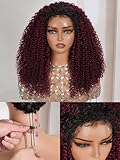
WIGCHIC 16" Kinky Curly Half Wig Human Hair Burgundy & Dark Roots | Flip-Over Drawstring | Seamless 4C Hairline | True Length | 3-in-1 Styling | Beginner Friendly (T1B/99J) | Check Price On Amazon |

|
Hair Removal Cream for Men & Women: Painless Depilatory for Sensitive Skin & Intimate Areas, Moisturizing with Aloe Vera & Vitamin E, Safe for Face, Underarms, Bikini, Arms (3.7 Fl Oz (Pack of 2)) | Check Price On Amazon |

|
ZOOLY PROFESSIONAL Ginger Shampoo and Conditioner Sets 20.3 Fl Oz- Anti Hair Loss and Nourishes Hair Roots, Salon Level Scalp Care for Men and Women | Check Price On Amazon |

|
LUSN Baby Hair Clippers with Vacuum, Quiet Hair Trimmers for Kids, IPX7 Waterproof Rechargeable Cordless Haircut Kit for Baby Children Infant | Check Price On Amazon |
|
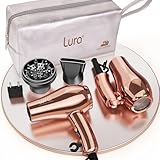
LURA Dual Voltage Travel Hair Dryer with Diffuser,Travel Blow Dryer Mini with EU Plug and UK Plug,Lightweight Portable Hairdryers with Folding Handle,1200W Compact Small Blowdryers for Women | Check Price On Amazon |
When you apply styling products like gels, mousses, or creams to wet hair, they create a protective shell around each strand as they dry. This shell, or “cast,” locks your curl pattern in place but leaves hair looking wet, crunchy, and unnatural. SOTC is the process of breaking this cast to release beautiful, defined curls.
Without proper SOTC, your curls will either:
- Remain hard and crunchy, looking wet or unnatural
- Lose definition completely if you rough-handle the cast
- Develop frizz instead of defined curl patterns
According to the International Association of Trichologists, the SOTC technique emerged from curly hair communities in the early 2000s as a solution to the “wet look” that styling products often created. As a trichologist who’s worked with hundreds of curly clients, I’ve seen firsthand how mastering SOTC can transform not just the appearance of curls but also a person’s confidence in their natural texture.
The Science Behind Hair Cast Formation
Understanding the science behind cast formation helps you achieve better SOTC results. When styling products containing polymers dry on your hair, they form a hardened film—or cast—that locks your curl pattern in place.
These polymers (typically ingredients ending in “-PVP” or “copolymer” on product labels) bind to the hair shaft and to each other. As water evaporates, the polymers tighten, creating a rigid structure that holds your curl pattern exactly as it was when wet.
Different products create different types of casts:
- Hard casts: Typically from strong-hold gels with high concentrations of PVP polymers
- Soft casts: From lighter products like mousses and some creams
- Flexible casts: From newer-generation gel creams with elasticizing polymers
Your hair porosity significantly impacts cast formation. Low porosity hair often forms a cast more slowly but maintains it longer, while high porosity hair may form a quicker but sometimes weaker cast that requires gentler SOTC technique.
In my trichology practice, I’ve observed that understanding this science helps clients choose better products and achieve more consistent results with various styling methods, including the rake and shake method for clumping curls, which works well before cast formation.
When to Scrunch Out the Crunch: Perfect Timing for Different Hair Types
Timing is everything with SOTC. Scrunching too early when your hair is still damp can cause frizz and reduce definition, while waiting unnecessarily long can lead to discomfort and hair damage.
The perfect time to scrunch out the crunch is when your hair is 100% dry and the cast feels hard to the touch. This crucial detail is often overlooked but makes a tremendous difference in results.
How to know your hair is ready:
- Visual check: No darker, damp-looking sections
- Touch test: Hair feels completely hard and slightly crunchy
- Root check: Roots near scalp are fully dry (often the last area to dry)
Drying times vary significantly by hair type:
- Wavy (2a-2c): 1-3 hours air-drying, 15-25 minutes diffusing
- Curly (3a-3c): 3-5 hours air-drying, 20-40 minutes diffusing
- Coily (4a-4c): 5-8+ hours air-drying, 30-50 minutes diffusing
Environmental factors also affect drying time. Humidity slows drying and may require longer waiting periods before SOTC, while dry heat can accelerate drying but might create a harder cast requiring more emollient during SOTC.
If you’re uncertain, wait a little longer. Scrunching too early is one of the most common causes of frizz and reduced definition.
Essential Products and Tools for Effective SOTC
The right products and tools can make a dramatic difference in your SOTC results, helping you achieve frizz-free, defined curls that last.
SOTC product options:
- Oils: Lightweight oils like argan, jojoba, or grapeseed oil provide slip and shine
- Serums: Silicone-based serums offer frizz control and definition
- Butters: Shea or cocoa butter products work well for coilier textures
- Emollients: Multi-purpose balms that combine oils and butters
Product recommendations by hair type:
- Wavy hair (2a-2c): Lightweight oils or silicone serums (2-4 drops)
- Curly hair (3a-3c): Medium-weight oils or oil-serum blends (3-6 drops)
- Coily hair (4a-4c): Richer butters or oil blends (5-10 drops)
SOTC tools comparison:
- Bare hands: Accessible option, but can create friction
- Microfiber cloth: Reduces friction, absorbs excess product
- Cotton t-shirt: Budget-friendly alternative to microfiber
- Silk scarf: Luxury option that minimizes friction and adds shine
- Satin-lined scrunchies: Helpful for section-by-section SOTC
Budget-friendly options that work well include grapeseed oil ($5-8), old cotton t-shirts cut into squares, and drugstore argan oil serums ($7-12).
Premium options that deliver exceptional results include pure jojoba oil ($15-20), silk pillowcases that double as SOTC cloths ($30-50), and specialized curl-enhancing oils ($20-30).
From my clinical experience with diverse hair textures, I recommend having at least two SOTC products: a lightweight option for regular use and a richer option for when your hair needs extra moisture or during drier seasons.
Step-by-Step SOTC Technique for All Curl Patterns
The basic principles of SOTC apply to all curl types, but the technique should be adapted to your specific curl pattern. Follow these universal steps first, then check the curl-specific recommendations for your hair type.
Preparation steps:
- Confirm hair is 100% dry: No dampness should remain anywhere
- Apply product to hands: Warm 2-5 drops of oil/serum between palms
- Distribute evenly: Ensure product covers fingers and palms lightly
SOTC execution:
- Cup a section of hair: Place cupped hand under a section of hair
- Squeeze upward: Gently press hair toward scalp in a pulsing motion
- Hold at peak: Maintain gentle pressure for 2-3 seconds
- Release and move: Let go and move to next section
- Repeat all around: Work through entire head, section by section
- Flip and scrunch: Bend forward and scrunch upside-down for volume
- Final shake: Gently shake head to settle curls naturally
Key technique points:
- Use a gentle upward motion, never downward pulling
- Maintain curl clumps by not separating curls with fingers
- Apply minimal pressure, just enough to break the cast
- Work in sections for thorough cast removal
Success indicators:
- Hair feels soft but curls remain defined
- No visible white cast remains
- Curls bounce back when touched
- Hair moves naturally without stiffness
SOTC Techniques for Wavy Hair (2a-2c)
Wavy hair (types 2a-2c) requires a gentler approach to SOTC to maintain the delicate wave pattern without creating frizz or losing definition.
For wavy hair, less is more. Your waves can easily lose definition or fall flat if you use too much product or too much pressure during SOTC. The rake and shake technique on type 2c curls can help form better clumps before applying styling products.
Wavy hair adjustments:
- Use minimal product: 1-2 drops of lightweight oil only
- Apply with barely-coated fingertips rather than full palms
- Scrunch with microfiber cloth first, then hands for gentle cast breaking
- Focus more on roots for volume, as waves often flatten there first
- Consider squish to condish on type 2c curls during your conditioning step for better wave formation before styling
Common wavy hair SOTC issues:
- Waves falling flat: Use less product and flip head upside down during SOTC
- Frizzy halo: Apply product to hands more thoroughly before scrunching
- Inconsistent definition: Work in smaller sections and be methodical
For waves that need extra help maintaining definition, try scrunching with a silk scarf instead of hands to minimize disruption of delicate wave patterns.
SOTC Techniques for Curly Hair (3a-3c)
Curly hair (types 3a-3c) typically forms a stronger cast and requires strategic SOTC to maintain definition while removing all crunchiness.
Curly hair tends to form more pronounced curl clumps and often creates a stronger cast with styling products. This requires a methodical approach to SOTC that maintains those clumps while removing the crispiness.
For looser curls like 3a patterns, the praying hands method on type 3a curls can help distribute product evenly before cast formation.
Curly hair adjustments:
- Section hair into 4-6 parts for thorough cast breaking
- Use slightly more product: 3-5 drops of medium-weight oil
- Focus on preserving curl clumps during scrunching
- Consider finger coiling on type 3b curls before cast formation for more defined curls
- Try the plopping method on type 3b curls before diffusing for better curl formation
For curly hair with multiple textures (common in 3a-3c patterns), use a customized approach:
- More product on drier/coarser sections
- Less product on finer/looser sections
- Pay extra attention to ends which often need more moisture
For springy 3c curls, consider the shingling technique on type 3c curls during your styling routine to enhance definition before SOTC.
SOTC Techniques for Coily and Kinky Hair (4a-4c)
Coily and kinky hair (types 4a-4c) benefits tremendously from proper SOTC technique, which can significantly enhance definition while maintaining moisture.
Coily hair requires more emollient products during SOTC to counterbalance the typically stronger holding products used to maintain definition. The cast on 4a-4c hair often serves dual purposes: definition and moisture retention.
Coily hair adjustments:
- Use richer products: 5-10 drops of oil or a small amount of butter
- Work in 6-8 sections for thorough application
- Apply more product to ends, which tend to be drier
- Consider warming products between hands longer to improve penetration
- Use pulsing motions rather than continuous scrunching
For length retention during SOTC:
- Stretch curls gently downward after initial scrunching
- Use flat palms for sections with significant shrinkage
- Consider a two-stage SOTC: initial cast breaking, then a second pass with more product for moisture
For multi-textured 4a-4c hair, customize by section, applying heavier products to tighter coils and lighter products to looser sections.
Comprehensive SOTC Troubleshooting Guide: Solutions for Every Problem
Even experienced curly hair enthusiasts sometimes encounter challenges with SOTC. This troubleshooting guide addresses every common issue and provides practical solutions.
Frizz problems:
- Issue: Hair frizzes immediately after SOTC
- Solution: Ensure hair was 100% dry; use more emollient; avoid separating curl clumps
- Prevention: Create stronger cast with harder-hold gel; apply more styling product initially
- Issue: Frizzy roots only
- Solution: Avoid touching roots during SOTC; apply product to mid-lengths and ends only
- Prevention: Use root clips during drying; apply less product at roots during styling
Incomplete cast problems:
- Issue: Cast breaks unevenly, some areas still crunchy
- Solution: Work methodically in smaller sections; use consistent pressure
- Prevention: Apply styling products more evenly; ensure thorough product coverage
- Issue: Can’t fully break cast without creating frizz
- Solution: Use more emollient; try silk scarf method instead of hands
- Prevention: Mix gel with a small amount of leave-in for softer cast formation
Definition problems:
- Issue: Curls fall flat after SOTC
- Solution: Use less oil/emollient; try product-free SOTC first, then minimal oil
- Prevention: Use stronger hold products; consider protein treatment if curls lack structure
- Issue: Curls separate too much after SOTC
- Solution: Maintain curl clumps by scrunching whole sections, not individual curls
- Prevention: Form better clumps during styling with brush or finger coiling techniques
Product problems:
- Issue: Hair looks or feels greasy after SOTC
- Solution: Use less product; switch to lighter oil; apply to hands first, not directly to hair
- Prevention: For fine hair, consider SOTC without added products
- Issue: White residue visible after SOTC
- Solution: Use oil-based product to dissolve cast more thoroughly
- Prevention: Choose clear gels over white or creamy styling products
SOTC for Different Environments and Seasons
Environmental conditions significantly impact your SOTC results. These adaptations will help you maintain perfect curls whether you’re in humid Miami or dry Denver.
Humid climate adjustments:
- Use less oil during SOTC to prevent limpness
- Consider oil-free SOTC, using just bare hands or microfiber cloth
- Add a tiny amount of gel to your SOTC oil to maintain frizz control
- Work in smaller sections for more control
Dry climate adjustments:
- Use more emollient products during SOTC
- Consider layering products: light oil first, then butter on ends
- SOTC while hair is 95% dry rather than 100% for moisture retention
- Follow with a humidity-adding spray for moisture restoration
Seasonal adjustments:
- Summer: Lighter products, focus on humidity protection
- Winter: Richer products, focus on moisture retention
- Fall/Spring: Adjust gradually as humidity changes
Travel considerations:
- Pack multi-purpose oils that can be adjusted by amount used
- Bring a travel humidifier for dry hotel rooms
- Consider a travel-size spray bottle with water/leave-in mix for quick adjustments
In my trichology practice, I’ve found that many clients don’t realize how significantly environmental factors affect their results. Something as simple as turning on heat or air conditioning can completely change your SOTC needs from one day to the next.
Beyond Basics: Advanced SOTC Techniques for Special Occasions
Once you’ve mastered basic SOTC, these advanced techniques will help you achieve salon-quality results for special occasions, photography, or whenever you want your curls to look their absolute best.
The layered SOTC method:
- Initial cast break with bare hands (no product)
- Light oil application focused on mid-lengths
- Targeted butter or heavier oil only on ends
- Final shine serum on surface layers only
The professional photography prep:
- Complete regular SOTC as usual
- Wait 30 minutes for products to fully absorb
- Use a pick or wide-tooth comb at roots only for volume
- Apply a tiny amount of shine spray 12 inches away from hair
- Arrange individual curl clumps for frame-perfect definition
Face-framing enhancement technique:
- Complete SOTC on main hair sections
- Identify 4-6 key face-framing pieces
- Apply minimal additional product to these pieces
- Gently twist each piece around finger to reshape
- Allow to set for 2-3 minutes before releasing
Event longevity technique:
- Use slightly more hold product during initial styling
- Complete gentle SOTC, leaving 10-20% of cast intact
- Apply anti-humidity serum as final step
- Carry travel-size oil for touch-ups during event
Through my work with clients preparing for weddings and special events, I’ve found that these advanced techniques make a remarkable difference in both the initial appearance and the longevity of the style throughout the day.
SOTC for Different Hair Situations and Transitions
Certain hair situations require special considerations during SOTC. Whether you’re transitioning from heat damage, growing out color treatment, or dealing with postpartum hair changes, these adaptations will help.
For damaged or recovering hair:
- Use more moisturizing products during SOTC
- Apply extra product to damaged sections
- Use gentler pressure when scrunching
- Consider using a t-shirt instead of hands for less friction
- Focus on moisture retention over definition
For color-treated hair:
- Use color-safe oils (argan, jojoba) during SOTC
- Apply UV-protective products for outdoor events
- Adjust technique based on porosity changes from chemical processing
- Use more moisturizing products for highlighted sections
For transitioning hair:
- Use different techniques for different textures
- Apply more product to natural sections
- Use less product on chemically treated sections
- Consider targeted finger coiling for transition areas
- Be extra gentle at demarcation points
For postpartum hair:
- Adjust product amounts for changed texture (often temporarily looser)
- Use lighter products that won’t weigh down temporarily finer hair
- Focus SOTC on mid-lengths and ends, avoiding new growth areas
- Be gentle around hairline where baby hairs and regrowth occur
As a trichologist working with clients through various hair transitions, I’ve found that adaptive SOTC techniques can significantly ease the emotional burden of these changes while maximizing the appearance of the hair during challenging phases.
Expert Opinions: What Professional Curl Specialists Say About SOTC
We consulted professional curl specialists, trichologists, and top stylists to get their insights on SOTC technique and how it fits into a healthy curl care routine.
Dr. Maria Rodriguez, trichologist and curl specialist, explains: “The cast-breaking process is more than aesthetic. It actually helps to seal the cuticle after styling, which can improve moisture retention and reduce environmental damage when done correctly.”
Celebrity stylist James Thomas shares: “In the salon, we often layer different emollients during SOTC. We might use a lightweight oil for initial cast breaking, then a more specialized product just on the ends. This creates dimension and ensures balanced moisture throughout the curl pattern.”
Curl educator Sophia Williams notes: “Many clients focus too much on the products and not enough on the technique. The pressure, direction, and timing of your scrunching motions matter more than which luxury oil you choose. Master the motion first, then experiment with products.”
Dr. Kimberly Hayes, dermatologist specializing in scalp health, adds: “From a scalp health perspective, I recommend clients focus SOTC on mid-lengths and ends, avoiding product migration to the scalp. This helps prevent buildup issues that can compromise both scalp health and curl definition over time.”
Research trichologist Robert Chen explains the emerging science: “Recent studies show that the interaction between styling polymers and natural hair lipids during SOTC creates a unique moisture-sealing effect that can’t be achieved through initial product application alone. This makes the technique essential, not optional, for optimal curl health.”
Maintaining Your SOTC Results: How to Make Perfect Curls Last
After achieving beautiful, defined curls through proper SOTC, these strategies will help you extend your results for multiple days, saving time and protecting your hair.
Overnight preservation methods:
- Pineappling: Gather hair loosely at top of head with satin scrunchie
- Medusa clipping: Section hair and secure multiple loose buns with clips
- Satin bonnet: Cover hair completely with adjustable-edge bonnet
- Silk pillowcase: Minimizes friction if other methods aren’t comfortable
Next-day refresh techniques:
- Lightly mist hair with water/leave-in mix (focus on frizzy areas only)
- Apply 1-2 drops of oil to hands and prayer-hands over frizzy sections
- Gently scrunch any sections that need definition renewal
- Use pick or fingers at roots only for volume restoration
Extending wash cycles:
- Use dry shampoo only at roots, avoiding curl pattern
- Try targeted washing of just the scalp area
- Refresh ends with leave-in conditioner spray
- Reapply small amount of gel and SOTC only on frizzy sections
Signs it’s time for a complete reset:
- Curls don’t respond to refreshing techniques
- Product buildup feels heavy or sticky
- Scalp becomes itchy or flaky
- Hair lacks volume even after root lifting
- Curl pattern appears inconsistent or limp
In my clinical practice, I’ve found that clients who master maintenance techniques typically wash their hair 1-3 times per week rather than daily, resulting in less manipulation damage and better long-term curl health.
Frequently Asked Questions About SOTC
These are the most common questions we receive about SOTC, with clear, detailed answers to help you perfect your technique.
Can I scrunch out the crunch with just water on my hands?
No, water reactivates styling products and can create frizz. Use dry hands or oil-based products only. Water disrupts the polymer structure that forms the cast, leading to inconsistent results.
How long should the entire SOTC process take?
A thorough SOTC typically takes 3-5 minutes for shoulder-length hair and 5-10 minutes for longer or thicker hair. Rushing often leads to inconsistent results or lingering crunchiness.
Can I use heat during or after SOTC?
No, heat should be avoided after cast formation. It can disrupt curl pattern and create frizz. If you must use heat, apply a heat protectant and use lowest setting possible.
What if some areas didn’t form a cast?
Areas without cast likely received insufficient styling product. For immediate fix, lightly mist with water, apply small amount of gel, allow to dry, then SOTC. For next wash, ensure even product distribution.
Can I SOTC with a diffuser?
No, diffusers should only be used before cast formation, never to break the cast. The airflow and movement will create frizz and disrupt curl pattern. Allow hair to fully dry, then use hands or cloth for SOTC.
Does hair porosity affect SOTC technique?
Yes, significantly. Low porosity hair often forms harder casts requiring more emollient during SOTC. High porosity hair may form softer casts requiring gentler technique and less product during SOTC.
What if my hair feels sticky after SOTC?
Stickiness indicates either incomplete drying before SOTC or product incompatibility. Ensure hair is 100% dry and consider switching styling products. Glycerin-heavy products often cause stickiness in humid conditions.
Can I SOTC in sections over multiple days?
Not recommended. Breaking the cast partially creates uneven tension in the hair, leading to inconsistent curl pattern. Always complete SOTC in one session for best results.
| Photo | Popular Hair Product | Price |
|---|---|---|
|
|
Kkioor 24 Inch Chocolate Brown Human Hair Wig 200 Density Body Wave Lace Front Wigs Human Hair Pre Plucked 13X4 HD Frontal Wig 4# Colored Brown Wig For Women Glueless Wigs | Check Price On Amazon |
|
|
KingSup 613 Lace Front Wig Human Hair Pre Plucked 250 Density 26 Inch 5x5 HD Lace Closure Straight Blonde Wig Human Hair, 100% Real Human Hair without Synthetic Blend Tangle Free Triple Lifespan 3X | Check Price On Amazon |
|
|
WIGCHIC 16" Kinky Curly Half Wig Human Hair Burgundy & Dark Roots | Flip-Over Drawstring | Seamless 4C Hairline | True Length | 3-in-1 Styling | Beginner Friendly (T1B/99J) | Check Price On Amazon |
|
|
Hair Removal Cream for Men & Women: Painless Depilatory for Sensitive Skin & Intimate Areas, Moisturizing with Aloe Vera & Vitamin E, Safe for Face, Underarms, Bikini, Arms (3.7 Fl Oz (Pack of 2)) | Check Price On Amazon |
|
|
ZOOLY PROFESSIONAL Ginger Shampoo and Conditioner Sets 20.3 Fl Oz- Anti Hair Loss and Nourishes Hair Roots, Salon Level Scalp Care for Men and Women | Check Price On Amazon |
|
|
LUSN Baby Hair Clippers with Vacuum, Quiet Hair Trimmers for Kids, IPX7 Waterproof Rechargeable Cordless Haircut Kit for Baby Children Infant | Check Price On Amazon |
|
|
LURA Dual Voltage Travel Hair Dryer with Diffuser,Travel Blow Dryer Mini with EU Plug and UK Plug,Lightweight Portable Hairdryers with Folding Handle,1200W Compact Small Blowdryers for Women | Check Price On Amazon |