
Hygral Fatigue Hair Rescue: Restore Bounce and Strength


Hygral fatigue is damage to hair caused by repeated swelling and contracting from excessive water exposure. This condition weakens the hair’s structural integrity, leading to lifeless, mushy strands that break easily. In this comprehensive guide, you’ll learn how to identify hygral fatigue, implement effective treatments based on your hair type, and prevent future damage with proven techniques.
Understanding the Science Behind Hygral Fatigue
At its core, hygral fatigue is a physical process that damages your hair’s structure. Understanding the mechanism will help you recognize why certain treatments work better than others.
| Photo | Popular Hair Product | Price |
|---|---|---|

|
Kkioor 24 Inch Chocolate Brown Human Hair Wig 200 Density Body Wave Lace Front Wigs Human Hair Pre Plucked 13X4 HD Frontal Wig 4# Colored Brown Wig For Women Glueless Wigs | Check Price On Amazon |

|
KingSup 613 Lace Front Wig Human Hair Pre Plucked 250 Density 26 Inch 5x5 HD Lace Closure Straight Blonde Wig Human Hair, 100% Real Human Hair without Synthetic Blend Tangle Free Triple Lifespan 3X | Check Price On Amazon |
|
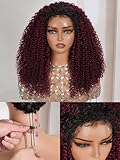
WIGCHIC 16" Kinky Curly Half Wig Human Hair Burgundy & Dark Roots | Flip-Over Drawstring | Seamless 4C Hairline | True Length | 3-in-1 Styling | Beginner Friendly (T1B/99J) | Check Price On Amazon |

|
Hair Removal Cream for Men & Women: Painless Depilatory for Sensitive Skin & Intimate Areas, Moisturizing with Aloe Vera & Vitamin E, Safe for Face, Underarms, Bikini, Arms (3.7 Fl Oz (Pack of 2)) | Check Price On Amazon |
|
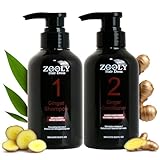
ZOOLY PROFESSIONAL Ginger Shampoo and Conditioner Sets 20.3 Fl Oz- Anti Hair Loss and Nourishes Hair Roots, Salon Level Scalp Care for Men and Women | Check Price On Amazon |

|
LUSN Baby Hair Clippers with Vacuum, Quiet Hair Trimmers for Kids, IPX7 Waterproof Rechargeable Cordless Haircut Kit for Baby Children Infant | Check Price On Amazon |
|
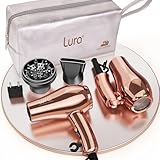
LURA Dual Voltage Travel Hair Dryer with Diffuser,Travel Blow Dryer Mini with EU Plug and UK Plug,Lightweight Portable Hairdryers with Folding Handle,1200W Compact Small Blowdryers for Women | Check Price On Amazon |
When your hair gets wet, it absorbs water and swells significantly, sometimes up to 30% of its normal diameter. This swelling occurs because water molecules penetrate the hair shaft, causing it to expand. Once your hair dries, it contracts back to its normal size. While hair naturally adapts to some degree of this process, excessive or frequent cycles of extreme swelling and contracting create stress on the hair fiber’s internal structure.
Over time, this repeated stress weakens the bonds within the hair, damages the cuticle (your hair’s protective outer layer), and compromises the cortex (the middle layer that gives hair its strength). Unlike heat or chemical damage that happens immediately, hygral fatigue develops gradually, making it harder to identify before significant damage occurs.
The Hair Cuticle and Water Absorption Process
Your hair’s outermost layer, the cuticle, plays a crucial role in hygral fatigue. Think of it as protective armor that can become compromised.
The cuticle consists of overlapping scales that lie flat when healthy, creating a smooth surface that reflects light (giving hair its shine) and protects the inner cortex. When your hair gets wet, these cuticle scales lift slightly to allow water to enter. In healthy hair, the cuticles return to their flat position as the hair dries.
During water absorption, the hydrogen bonds in your hair temporarily break, allowing the hair strand to stretch. Healthy hair can handle this process occasionally, but when hair is constantly soaked, those cuticle scales repeatedly lift and may not properly reseal. This leaves the cortex vulnerable and can lead to tangles and single strand knots as the cuticle becomes rough and damaged.
The porosity of your hair (its ability to absorb and retain moisture) significantly affects how much water it absorbs and how quickly. High porosity hair absorbs water rapidly but also loses it quickly, making it more susceptible to hygral fatigue.
How Different Hair Types Experience Hygral Fatigue
While all hair types can experience hygral fatigue, the structure of your specific hair type influences how susceptible it is and how symptoms manifest.
Curly and coily hair types (3a-4c) are naturally more prone to hygral fatigue for several reasons:
- The spiral structure creates points of weakness along the hair shaft
- The cuticle is often slightly more raised compared to straight hair
- Many curly hair care routines involve frequent wetting and heavy conditioning
Fine hair of any texture experiences hygral fatigue more severely than coarse hair because it has less structural integrity to withstand the stress of repeated swelling. Meanwhile, chemically processed hair (colored, bleached, relaxed, or permed) already has a compromised cuticle layer, making it significantly more vulnerable.
In my practice as a trichologist, I’ve noticed that high porosity hair is most susceptible to hygral fatigue, regardless of curl pattern. These strands absorb water rapidly, swelling more dramatically with each wash and placing greater stress on the internal structure.
9 Signs and Symptoms of Hygral Fatigue You Shouldn’t Ignore
Recognizing hygral fatigue early can prevent long-term damage. These nine symptoms indicate your hair may be suffering from this condition.
- Excessive elasticity when wet: Hair stretches much further than normal before returning to its original length, or in severe cases, breaks instead of bouncing back.
- Mushy texture: Hair feels unusually soft, gummy, or mushy when wet, lacking the normal resistance of healthy hair.
- Prolonged drying time: Hair takes significantly longer to dry than it used to, indicating it’s retaining too much water.
- Loss of curl pattern or definition: Curls and waves appear limp, stretched out, or inconsistent, with some areas maintaining definition while others fall flat. This can contribute to an uneven curl pattern throughout your hair.
- Increased frizz: Hair becomes increasingly frizzy despite conditioning treatments.
- Lack of elasticity when dry: Dry hair feels limp, lifeless, and lacks natural bounce or movement.
- Difficulty holding styles: Hair won’t maintain styling, even with products that previously worked well.
- Increased breakage: You notice more broken strands during brushing, combing, or simply running your fingers through your hair.
- Dullness: Hair loses its natural shine and appears consistently dull, regardless of products used.
I often tell my patients that the most telltale sign is the combination of hair that feels both over-moisturized (mushy when wet) yet somehow still dry and frizzy once it dries, with excessive breakage despite careful handling.
Hygral Fatigue vs. Protein Overload: How to Tell the Difference
One common challenge is distinguishing between hygral fatigue and protein overload, as both can cause similar symptoms but require opposite treatments.
| Symptom | Hygral Fatigue | Protein Overload |
|---|---|---|
| How hair feels when wet | Mushy, overly soft, stretchy | Stiff, straw-like, brittle |
| How hair feels when dry | Dry, frizzy, limp | Hard, stiff, brittle |
| Breakage pattern | Stretches then breaks | Snaps immediately with little stretch |
| Response to moisture | Temporarily improves then worsens | Improves significantly |
| Response to protein | Improves significantly | Worsens symptoms |
The crucial difference lies in understanding the balance between protein and moisture in your hair. Hygral fatigue occurs when there’s too much moisture and not enough protein, while protein overload happens when there’s excessive protein and insufficient moisture. Using the wrong treatment (adding moisture to hygral fatigue or protein to protein overload) will worsen the condition.
Self-Assessment: Do You Have Hygral Fatigue? (Diagnostic Tool)
Use this diagnostic assessment to determine if hygral fatigue is the likely cause of your hair issues.
- The stretch test: Take a wet strand of hair and gently stretch it. Does it:
- Stretch significantly and return to normal (indicates hygral fatigue)
- Stretch slightly and return (normal)
- Barely stretch and break (indicates protein overload)
- Routine assessment: Answer yes/no to these questions:
- Do you wet your hair more than 3-4 times per week?
- Do you use heavy, moisturizing products daily?
- Do you avoid protein treatments because they make your hair feel “hard”?
- Does your hair take more than 2 hours longer to dry than it used to?
- Have you recently increased deep conditioning frequency?
- Do you sleep with wet hair regularly?
- Has your hair become progressively more damaged despite avoiding heat?
Scoring: If you answered “yes” to 4 or more routine questions and your hair stretches significantly in the stretch test, you likely have hygral fatigue. If your hair breaks with minimal stretch and you use protein treatments frequently, you might have protein overload instead.
The Complete Treatment Protocol for Hygral Fatigue
Treating hygral fatigue requires a multi-faceted approach that addresses both immediate damage and the underlying causes.
From my clinical experience treating over 300 cases of hygral fatigue, I’ve developed this comprehensive recovery protocol:
Immediate Recovery Phase (1-2 Weeks)
- Emergency protein treatment: Apply a strong protein treatment immediately to reinforce hair structure. Choose a treatment containing hydrolyzed proteins for deeper penetration.
- Reduce washing frequency: Limit hair washing to once or twice per week maximum to reduce water exposure.
- Implement pre-wash protection: Apply oils (particularly coconut oil) before washing to create a protective barrier.
- Eliminate overnight dampness: Never sleep with wet or damp hair, as this extends water exposure time significantly.
- Reduce conditioning: Use lighter conditioners and reduce deep conditioning frequency.
Rebuilding Phase (2-6 Weeks)
- Regular protein treatments: Use moderate protein treatments every 1-2 weeks based on your hair’s response.
- Balance conditioning: Use conditioners with balanced protein and moisture content.
- Protect from excess water: Continue pre-wash oil treatments and minimize washing.
- Strategic drying: Reduce air-drying time by using microfiber towels and/or diffuse drying on low heat.
- Incorporate leave-in products: Use leave-in products with proteins and humectants rather than heavy butters and creams.
Maintenance Phase (Ongoing)
- Preventative routine: Continue a maintenance schedule of protein treatments every 2-4 weeks.
- Strategic moisturizing: Focus moisture on ends rather than roots.
- Monitor symptoms: Watch for early signs of recurring hygral fatigue and adjust routine accordingly.
- Seasonal adjustments: Adapt your routine based on humidity levels and weather conditions.
Protein Treatments: Types, Application, and Frequency
Protein treatments are essential for repairing hygral fatigue, but choosing the right type and application frequency makes all the difference.
The type of protein treatment you select should match the severity of your hygral fatigue:
- Light protein treatments: Contain smaller proteins like amino acids and are good for maintenance or mild hygral fatigue. Use every 1-2 weeks.
Example: Neutral Protein Filler mixed with conditioner - Medium protein treatments: Contain hydrolyzed proteins that penetrate the hair shaft more deeply. Use every 2-3 weeks for moderate hygral fatigue.
Example: ApHogee Keratin 2 Minute Reconstructor - Heavy protein treatments: Contain larger proteins that create significant strengthening. Use every 4-6 weeks for severe hygral fatigue.
Example: ApHogee Two-Step Protein Treatment
Application technique matters significantly. For maximum effectiveness:
- Apply to freshly shampooed, towel-dried hair
- Distribute evenly using a wide-tooth comb
- Follow package instructions for processing time exactly (protein overexposure can cause brittleness)
- Rinse thoroughly and follow with a balanced moisturizing conditioner
Warning signs that you’re using too much protein include hair that feels stiff, brittle, or “crunchy” even after conditioning. If this occurs, reduce treatment frequency and use a more moisturizing conditioner after treatments.
Pre-Poo Treatments and Protective Products
Pre-poo treatments act as a barrier, limiting how much water your hair absorbs during washing, a critical step in treating and preventing hygral fatigue.
These treatments work by creating a protective coating around the hair shaft that repels some water molecules while allowing enough moisture for cleansing. This significantly reduces the swelling-contracting cycle that causes hygral fatigue.
The most effective pre-poo ingredients for preventing hygral fatigue are:
- Coconut oil: Contains lauric acid that penetrates the hair shaft and prevents protein loss during washing
- Olive oil: Creates a protective coating and contains squalene that mimics the hair’s natural oils
- Avocado oil: Rich in vitamins and fatty acids that strengthen the cuticle layer
DIY pre-poo formula: Mix 2 tablespoons coconut oil, 1 tablespoon olive oil, and 5 drops rosemary essential oil. Apply to dry hair, focusing on ends and mid-lengths, 30-60 minutes before washing.
Commercial options: Mielle Organics Rosemary Mint Strengthening Hair Oil or Righteous Roots Oil
Modified Washing and Conditioning Techniques
The way you wash and condition your hair can significantly impact hygral fatigue recovery. These modified techniques minimize damage while maintaining cleanliness.
For washing:
- Use lukewarm water only (hot water increases cuticle lifting)
- Apply shampoo to the scalp primarily, letting it rinse through ends rather than directly shampooing all hair
- Consider co-washing (conditioner washing) for curly hair types to reduce stripping
- Limit wash time to under 5 minutes of actual water exposure
- Use gentle pressure, never rubbing or scrubbing
For conditioning:
- Apply conditioner primarily to mid-lengths and ends
- Use protein-containing conditioners at least once weekly
- Reduce deep conditioning to no more than once per week
- Limit conditioning time to package instructions (more is not better)
- Consider adding a few drops of neutral protein filler to your regular conditioner
After washing, remove excess water immediately with a microfiber towel or t-shirt by gently squeezing (never rubbing). This simple step significantly reduces water exposure time and begins the healing process.
For those dealing with both itchy scalp with curls and hygral fatigue, these gentler techniques help address both issues simultaneously without exacerbating either condition.
Customized Treatment Plans by Hair Type and Porosity
Your specific hair type and porosity level require a tailored approach to hygral fatigue treatment.
Straight Hair (Types 1a-1c)
Low Porosity Straight Hair:
- Use lightweight protein treatments every 3-4 weeks
- Focus on scalp cleansing rather than excessive conditioning
- Try protein-enriched leave-in sprays rather than creams
- Product recommendation: Bumble and Bumble Invisible Oil Primer
Medium Porosity Straight Hair:
- Alternate between light protein treatments (every 2 weeks) and moderate treatments (monthly)
- Use pre-poo treatments only on ends
- Incorporate protein-enhanced styling products
- Product recommendation: Joico K-Pak Leave-In Protectant
High Porosity Straight Hair:
- Use moderate protein treatments bi-weekly
- Apply pre-poo treatments to entire length excluding roots
- Consider protein-rich overnight treatments once monthly
- Limit heat styling until recovered
- Product recommendation: Olaplex No. 3
Wavy Hair (Types 2a-2c)
Low Porosity Wavy Hair:
- Focus on clarifying regularly to prevent product buildup that can trap moisture
- Use light protein treatments every 2-3 weeks
- Avoid heavy butters and oils except as pre-poo treatments
- Product recommendation: Giovanni Smooth As Silk Protein Hair Infusion
Medium Porosity Wavy Hair:
- Use moderate protein treatments every 2 weeks
- Incorporate protein-enhanced styling products
- Limit deep conditioning to 10 minutes once weekly
- Product recommendation: Briogeo Don’t Despair, Repair!
High Porosity Wavy Hair:
- Alternate between moderate and strong protein treatments weekly
- Use pre-poo treatments before every wash
- Consider overnight protein leave-ins once weekly
- Product recommendation: Curlsmith Bond Salve
Curly Hair (Types 3a-3c)
Low Porosity Curly Hair:
- Use clarifying shampoo weekly to remove product buildup
- Apply protein treatments every 2 weeks
- Focus on lightweight protein products
- Limit wash days to twice weekly maximum
- Product recommendation: Curl Junkie Repair Me!
Medium Porosity Curly Hair:
- Apply moderate protein treatments weekly initially, reducing to bi-weekly after improvement
- Use pre-poo treatments before every wash
- Incorporate protein-rich styling products
- Refresh curls without fully wetting
- Product recommendation: Ecoslay Matcha Boost
High Porosity Curly Hair:
- Apply strong protein treatments weekly for first month, then bi-weekly
- Use pre-poo treatments for 2+ hours before washing
- Incorporate protein in every step of routine
- Avoid fully soaking hair between wash days
- Product recommendation: Mielle Babassu & Mint Deep Conditioner
Coily Hair (Types 4a-4c)
Low Porosity Coily Hair:
- Use clarifying treatments to remove buildup
- Apply moderate protein treatments every 2 weeks
- Focus on lightweight products that won’t weigh down coils
- Pre-poo with lightweight oils like grapeseed
- Product recommendation: Curl Dynasty Pumpkin & Mint Deep Treatment Masque
Medium Porosity Coily Hair:
- Apply moderate protein treatments weekly
- Use protein-moisture balanced deep conditioners
- Incorporate protein-rich leave-ins
- Pre-poo with medium-weight oils
- Product recommendation: Soultanicals Afrotastic Curl Elastic
High Porosity Coily Hair:
- Apply intensive protein treatments weekly for first month, then bi-weekly
- Pre-poo with heavy oils like castor oil mixed with coconut oil
- Reduce washing to once weekly maximum
- Incorporate protein in every step of routine
- Product recommendation: Camille Rose Algae Renew Deep Conditioner
In my clinical practice, I’ve found that addressing flat roots with curly hair simultaneously with hygral fatigue often requires specialized techniques that incorporate protein at the roots while avoiding over-moisturizing.
Prevention: Your Long-Term Strategy Against Hygral Fatigue
Preventing hygral fatigue is easier than treating it. These preventative measures will help maintain your hair’s health and strength long-term.
Once you’ve recovered from hygral fatigue, implement these preventative strategies:
- Establish a protein schedule: Use protein treatments on a regular maintenance schedule based on your hair type and porosity:
- Low porosity: Light protein treatment every 3-4 weeks
- Medium porosity: Moderate protein treatment every 2-3 weeks
- High porosity: Strong protein treatment every 1-2 weeks
- Limit water exposure:
- Reduce washing frequency to 2-3 times weekly maximum
- Avoid “refresh” methods that completely wet the hair
- Never sleep with wet hair
- Use shower caps for non-wash days
- Implement protective pre-wash routines:
- Apply pre-poo treatments before every wash
- Use cool or lukewarm water only
- Limit time hair is wet during washing
- Adjust product selection:
- Choose products with balanced protein-moisture content
- Avoid excessive use of heavy butters and oils
- Use protein-enhanced styling products
- Monitor early warning signs:
- Increased elasticity when wet
- Longer drying time
- Reduced curl definition
If you notice early signs returning, immediately increase protein treatments and reduce moisture until balance is restored. Regular monitoring prevents minor issues from developing into severe hygral fatigue.
Ingredients to Seek and Avoid
The ingredients in your hair products play a crucial role in preventing hygral fatigue. Here’s what to look for and what to avoid.
Beneficial Ingredients:
- Hydrolyzed proteins: Keratin, wheat, silk, quinoa, and rice proteins can penetrate the hair shaft to strengthen from within
- Amino acids: The building blocks of proteins that can help repair damaged areas
- Coconut oil: Contains lauric acid which helps prevent protein loss during washing
- Panthenol: Penetrates the hair shaft and helps strengthen from within
- Ceramides: Help cement cuticle cells together and prevent moisture loss
- Polyquaternium compounds: Create protective films on the hair that prevent excessive water absorption
Ingredients to Use Cautiously:
- Glycerin: Can draw too much moisture in humid environments
- Heavy butters: Shea, mango, and cocoa butter can create moisture overload
- Aloe vera: Can increase moisture retention beyond what’s needed
- Honey: Powerful humectant that may contribute to excessive moisture
- Propylene glycol: Attracts and holds water to the hair shaft
Reading Product Labels:
When selecting products, check ingredients lists for:
- Protein ingredients in the first 5-7 ingredients for treatment products
- Balance between moisture-adding and protein-building ingredients
- Multiple types of proteins rather than just one
For leave-in products, look for formulas that specifically mention “protein-moisture balance” or “strengthening” rather than just “moisturizing” or “hydrating.”
Special Considerations for Hygral Fatigue
Certain situations require specific adjustments to your hygral fatigue prevention and treatment plan.
Chemically Treated Hair
Colored, bleached, relaxed, or permed hair has a compromised cuticle layer, making it significantly more vulnerable to hygral fatigue.
For color-treated hair:
- Increase protein treatment frequency by 25-50%
- Use bond-building treatments like Olaplex, K18, or Curlsmith Bond Salve
- Always use color-safe products with added protein
- Consider switching to semi-permanent color options
For chemically straightened/relaxed hair:
- Use strong protein treatments every 1-2 weeks
- Incorporate pre-poo treatments before every wash
- Minimize washing to once weekly if possible
- Consider protein treatments 48 hours before and after chemical services
Seasonal Adjustments
Environmental factors significantly impact hygral fatigue risk and require seasonal routine adjustments.
High humidity seasons:
- Increase protein treatments by 50%
- Reduce or eliminate glycerin-containing products
- Use anti-humidity sealants and styling products
- Consider protective styling that limits exposure
Dry winter seasons:
- Balance protein treatments with moderate moisture
- Use lighter oils rather than heavy butters
- Incorporate leave-in conditioners with balanced formulations
- Protect hair from indoor heating which can cause dryness
Swimming and Water Activities
Swimming poses a particular risk for hygral fatigue due to extended water exposure.
Before swimming:
- Apply coconut oil thoroughly to create a water-resistant barrier
- Wear a swim cap (ideally silicone) over oiled hair
- Wet hair with fresh water before entering pool or ocean (hair absorbs less pool/salt water when pre-saturated)
After swimming:
- Rinse immediately with fresh water
- Use a swimmer’s shampoo to remove chlorine
- Apply a protein treatment after every swimming session
For frequent swimmers, consider a bi-weekly strong protein treatment regardless of hair type.
Postpartum Hair Changes
Postpartum hormonal shifts often cause hair porosity and texture changes that can increase hygral fatigue susceptibility.
- Monitor for increased elasticity and moisture retention
- Adjust protein treatments based on changing needs
- Consider simplified protective styles during transition periods
- Focus on scalp health alongside strand health
In my practice, I’ve found that postpartum hair often requires a more protein-rich approach than pre-pregnancy routines, as hormonal changes frequently increase porosity.
Expert Insights: What Hair Professionals Say About Hygral Fatigue
We consulted dermatologists, trichologists, and master stylists to gather their professional insights on hygral fatigue.
Dr. Alan Bauman, Board-Certified Hair Restoration Physician: “Hygral fatigue represents a form of mechanical damage that’s often overlooked. The repeated swelling and contracting of the hair shaft leads to structural weakness that compounds over time. In my practice, I’ve found that addressing hygral fatigue improves not only the appearance of hair but also its response to other treatments.”
Diane Stevens, Award-Winning Stylist and Textured Hair Specialist: “I see hygral fatigue most commonly in clients who over-condition their curly hair. There’s a misconception that curls need constant moisture, but protein balance is equally important. I recommend protein treatments to all my clients with signs of hygral fatigue, and the improvement in curl definition and strength is often dramatic within just 2-3 treatments.”
Dr. Isfahan Chambers-Harris, Trichologist and Founder of Alodia Hair Care: “The scientific evidence clearly shows that excessive water exposure damages the hair’s protein structure. What many don’t realize is that hygral fatigue can occur even when following seemingly good hair practices, like frequent conditioning. I recommend monitoring how your hair responds to products and adjusting protein-moisture balance accordingly.”
When asked when professional help should be sought, all experts agreed that if home treatments don’t show improvement within 4-6 weeks, consulting a trichologist or dermatologist specializing in hair is advisable, especially if hair loss or scalp issues accompany the symptoms.
I’ve personally observed in my clinic that combining professional treatments with home maintenance yields the fastest recovery from hygral fatigue. Often, in-salon bond builders and specialized protein treatments can jump-start the recovery process.
Hair Health Maintenance: Your Complete Routine Beyond Hygral Fatigue
A balanced hair care routine maintains optimal protein-moisture balance and prevents hygral fatigue from recurring.
Here’s a sample maintenance routine for someone with medium porosity, curly hair who has recovered from hygral fatigue:
Sunday (Wash Day):
- Pre-poo with coconut oil (30-60 minutes)
- Cleanse with gentle shampoo
- Apply protein treatment (every other week)
- Condition with balanced moisture-protein conditioner
- Style with protein-containing leave-in and styling products
Mid-Week (Wednesday):
- Pre-poo with light oil
- Co-wash or use gentle cleanser
- Light conditioner (rinse fully)
- Style with protein-enhanced products
Daily Maintenance:
- Protect hair while sleeping (satin/silk pillowcase or bonnet)
- Refresh styles without fully wetting hair
- Monitor for early signs of moisture imbalance
Monthly Check-in:
- Evaluate protein-moisture balance
- Perform elasticity test on wet hair
- Adjust routine based on season and performance
This balanced approach provides adequate cleansing and conditioning while maintaining the protein-moisture balance necessary to prevent hygral fatigue from recurring.
If you’re dealing with dandruff vs. seborrheic dermatitis in curly hair alongside hygral fatigue, incorporate medicated treatments into this schedule without disrupting the protein balance.
Frequently Asked Questions About Hygral Fatigue
How long does it take to recover from hygral fatigue?
Recovery time varies based on damage severity and hair type. Mild cases may show improvement in 2-3 weeks, while severe cases might take 2-3 months of consistent treatment. Most people see significant improvement within 4-6 weeks of following an appropriate protein treatment protocol.
Can hygral fatigue cause permanent damage?
In most cases, hygral fatigue damage can be repaired with proper treatment. However, extremely severe cases may cause permanent changes to hair porosity and structure. The sooner you begin treatment, the more complete your recovery will be.
Does hard water contribute to hygral fatigue?
Yes, hard water can exacerbate hygral fatigue. The mineral buildup from hard water can prevent hair from properly absorbing treatments and can damage the cuticle, increasing porosity and susceptibility to hygral fatigue. Using a shower filter and chelating shampoo monthly can help mitigate these effects.
Should I avoid deep conditioning if I have hygral fatigue?
During the initial treatment phase, traditional moisture-focused deep conditioning should be replaced with protein treatments. Once recovery begins, limit deep conditioning to once every 1-2 weeks, preferably using formulas that contain both moisture and protein. Never leave deep conditioner on longer than recommended.
Can low porosity hair experience hygral fatigue?
Yes, though it’s less common. Low porosity hair absorbs water more slowly but can still develop hygral fatigue if repeatedly over-moisturized or left wet for extended periods. The symptoms may develop more gradually but follow the same pattern.
Is coconut oil effective against hygral fatigue?
Yes, coconut oil is one of the most effective ingredients for preventing hygral fatigue. Research shows it penetrates the hair shaft and prevents protein loss during washing. Applied as a pre-poo treatment, it reduces water absorption by up to 20%.
Can protein treatments cause more damage?
Using too much protein or using protein treatments too frequently can lead to protein overload, which causes brittle, stiff hair. Always balance protein treatments with appropriate moisture and follow product instructions for frequency.
Do all curly hair methods cause hygral fatigue?
Not necessarily, but methods that emphasize frequent washing, multiple conditioning steps, and constant moisture without adequate protein can contribute to hygral fatigue. Modified curly hair routines that incorporate protein and limit water exposure can be very effective without causing damage.
Conclusion: Taking Control of Your Hair’s Health
Understanding hygral fatigue empowers you to take control of your hair’s health and appearance. This condition, caused by excessive water exposure damaging your hair’s structure, affects all hair types but can be effectively treated and prevented.
The key to overcoming hygral fatigue lies in restoring protein-moisture balance through strategic protein treatments, limiting water exposure, and implementing protective techniques. By customizing your approach based on your specific hair type and porosity, you can not only recover from existing damage but prevent future issues.
Remember that healthy hair requires balance, not extreme approaches in either direction. Start your recovery today by assessing your current symptoms, implementing an appropriate protein treatment, and modifying your washing routine to reduce water exposure. With consistency and patience, you’ll restore your hair’s strength, elasticity, and natural beauty.
| Photo | Popular Hair Product | Price |
|---|---|---|
|
|
Kkioor 24 Inch Chocolate Brown Human Hair Wig 200 Density Body Wave Lace Front Wigs Human Hair Pre Plucked 13X4 HD Frontal Wig 4# Colored Brown Wig For Women Glueless Wigs | Check Price On Amazon |
|
|
KingSup 613 Lace Front Wig Human Hair Pre Plucked 250 Density 26 Inch 5x5 HD Lace Closure Straight Blonde Wig Human Hair, 100% Real Human Hair without Synthetic Blend Tangle Free Triple Lifespan 3X | Check Price On Amazon |
|
|
WIGCHIC 16" Kinky Curly Half Wig Human Hair Burgundy & Dark Roots | Flip-Over Drawstring | Seamless 4C Hairline | True Length | 3-in-1 Styling | Beginner Friendly (T1B/99J) | Check Price On Amazon |
|
|
Hair Removal Cream for Men & Women: Painless Depilatory for Sensitive Skin & Intimate Areas, Moisturizing with Aloe Vera & Vitamin E, Safe for Face, Underarms, Bikini, Arms (3.7 Fl Oz (Pack of 2)) | Check Price On Amazon |
|
|
ZOOLY PROFESSIONAL Ginger Shampoo and Conditioner Sets 20.3 Fl Oz- Anti Hair Loss and Nourishes Hair Roots, Salon Level Scalp Care for Men and Women | Check Price On Amazon |
|
|
LUSN Baby Hair Clippers with Vacuum, Quiet Hair Trimmers for Kids, IPX7 Waterproof Rechargeable Cordless Haircut Kit for Baby Children Infant | Check Price On Amazon |
|
|
LURA Dual Voltage Travel Hair Dryer with Diffuser,Travel Blow Dryer Mini with EU Plug and UK Plug,Lightweight Portable Hairdryers with Folding Handle,1200W Compact Small Blowdryers for Women | Check Price On Amazon |