
Headband Wig vs Lace Front Wig: Which Should You Start With?


A headband wig installs in under two minutes with zero adhesive and zero skill required. A lace front wig takes thirty to sixty minutes, demands three to five separate products, and still lifts at the hairline if your skin preparation is not perfect. Most beginners buy the lace front first and regret it. Most beginners should buy the headband wig first and upgrade later.
This guide covers every difference between headband wigs and lace front wigs that matters for a beginner. Installation time, skill required, cost, durability, styling flexibility, and how natural each one looks. By the end, you will know exactly which one to buy first.
| Photo | Popular Hair Product | Price |
|---|---|---|

|
Kkioor 24 Inch Chocolate Brown Human Hair Wig 200 Density Body Wave Lace Front Wigs Human Hair Pre Plucked 13X4 HD Frontal Wig 4# Colored Brown Wig For Women Glueless Wigs | Check Price On Amazon |

|
KingSup 613 Lace Front Wig Human Hair Pre Plucked 250 Density 26 Inch 5x5 HD Lace Closure Straight Blonde Wig Human Hair, 100% Real Human Hair without Synthetic Blend Tangle Free Triple Lifespan 3X | Check Price On Amazon |
|
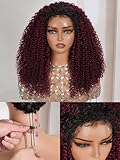
WIGCHIC 16" Kinky Curly Half Wig Human Hair Burgundy & Dark Roots | Flip-Over Drawstring | Seamless 4C Hairline | True Length | 3-in-1 Styling | Beginner Friendly (T1B/99J) | Check Price On Amazon |

|
Hair Removal Cream for Men & Women: Painless Depilatory for Sensitive Skin & Intimate Areas, Moisturizing with Aloe Vera & Vitamin E, Safe for Face, Underarms, Bikini, Arms (3.7 Fl Oz (Pack of 2)) | Check Price On Amazon |

|
ZOOLY PROFESSIONAL Ginger Shampoo and Conditioner Sets 20.3 Fl Oz- Anti Hair Loss and Nourishes Hair Roots, Salon Level Scalp Care for Men and Women | Check Price On Amazon |

|
LUSN Baby Hair Clippers with Vacuum, Quiet Hair Trimmers for Kids, IPX7 Waterproof Rechargeable Cordless Haircut Kit for Baby Children Infant | Check Price On Amazon |
|
LURA Dual Voltage Travel Hair Dryer with Diffuser,Travel Blow Dryer Mini with EU Plug and UK Plug,Lightweight Portable Hairdryers with Folding Handle,1200W Compact Small Blowdryers for Women | Check Price On Amazon |
What Is a Headband Wig and How Does It Work?
A headband wig is a wig attached to a soft fabric headband with Velcro straps at the back. There is no lace anywhere on the cap. You slide it onto your head like a headband, adjust the Velcro for a snug fit, and fluff the hair forward over the headband to hide it. That is the entire installation process.
The cap is typically made of breathable machine-wefted material. Most headband wigs have adjustable straps inside plus the Velcro closure. The headband itself is often a soft cotton or velvet material that sits at the front hairline. The hair attached to it falls forward, covering the headband completely and creating the illusion of a natural hairline without any adhesive.
This happens because the headband acts as the anchor point instead of lace glue or tape. The tension from the Velcro at the nape pulls the cap snug against your head. The headband sits where a lace wig’s hairline would be, making it look like your own hair pulled back with a soft accessory.
For a deeper dive into the specific models available, see our list of the best headband wigs that beginners consistently rate highest for ease and natural appearance.
By the Numbers
Headband Wig vs Lace Front Wig — Key Stats for Beginners
Sources: Manufacturer data, licensed cosmetologist estimates, verified buyer reviews
What Is a Lace Front Wig and How Does Installation Actually Work?
A lace front wig is a wig where the front 2 to 4 inches of the cap use sheer lace material with individual hairs hand-tied into it. The rest of the cap is machine-wefted. The lace is what creates an undetectable hairline because each hair appears to be growing directly out of your scalp.
Installation requires multiple steps. You must clean your hairline with 70% isopropyl alcohol to remove all oil. Apply a wig cap underneath. Position the lace at your natural hairline. Apply lace wig adhesive or double-sided wig tape along the hairline. Wait for the adhesive to become tacky. Press the lace into it. Tie it down with a scarf for 10 to 15 minutes. Then style the baby hairs if the wig is pre-plucked.
Adhesive fails for one predictable reason. Oil on the skin. If you skip the alcohol cleaning step, no glue on the market holds for longer than two hours. Clean skin is the foundation of every successful lace front install.
For full step-by-step guidance on preparation before any wig type, read our guide on putting on a wig cap the right way before you touch any adhesive.
Headband Wig vs Lace Front Wig: Complete Side-by-Side Comparison
Use the table below to compare every variable that affects a beginner’s first wig purchase decision.
Product Comparison
Headband Wig vs Lace Front Wig — Side by Side
Detailed feature comparison to help you choose the right option for your first wig.
| Feature | Headband Wig | Lace Front Wig |
|---|---|---|
| Installation time | 1-3 minutes | 30-60 minutes |
| Adhesive required | None | Glue or tape needed |
| Skill level needed | Absolute beginner | Intermediate |
| Natural hairline appearance | Good (headband covers hairline) | Excellent (lace melts into skin) |
| Styling versatility | Limited (no up-dos) | High (any style) |
| Price range | $15-60 | $50-500+ |
| Lifespan with proper care | 3-6 months | 6 months to 3 years |
| Our verdict for beginners | Start here | Graduate here after practice |
Find the Right Wig Type for Your Situation
Interactive Tool
Which Wig Type Should You Start With?
Answer 2 questions to get a personalized recommendation for your first wig.
Cost Comparison: What You Actually Pay at Each Quality Tier
Headband wigs cost less at every comparable quality tier. A synthetic headband wig runs $15 to $45. A synthetic lace front wig runs $50 to $120. The price gap persists with human hair too. A human hair headband wig costs $40 to $80. A human hair lace front wig starts at $150 and easily reaches $500 or more for HD lace and high-density options.
The reason is construction complexity. Lace material and hand-tied knots are labor-intensive. Headband wigs use simpler machine-wefted caps with a fabric headband instead of lace. No hand-tying is required. Labor is the primary cost driver in wig manufacturing, and lace front wigs require dramatically more of it.
For more perspective on what wig money actually buys, check our breakdown of what you can realistically expect from a wig under $50 before setting your budget.
Price Comparison
Price Comparison — Headband Wigs vs Lace Front Wigs by Tier
Price per wig, sorted by quality tier. Prices verified at time of publication.
$15-$25
$30-$45
$50-$80
$40-$80
$80-$150
$150-$250
$300-$500+
Prices reflect current market averages across major online wig retailers. Human hair prices vary significantly by hair origin, density, and lace type.
Installation Difficulty: Why Beginners Struggle with Lace Fronts
The lace front learning curve is steep. Your first install will take 45 to 60 minutes. Your second will take 30 minutes. By the tenth install, you will get it down to 15 to 20 minutes. That is three to four weeks of daily practice before it feels easy. Most beginners give up after the second failed attempt when the lace lifts at the corners within an hour of application.
Failed lace front installation has one root cause in almost every case. Skin preparation failure. Oil, moisturizer, sunscreen, and even natural sebum production create a barrier between the adhesive and your skin. The adhesive bonds to the oil layer, not your skin. When the oil breaks down from body heat, the bond fails. The fix is simple and absolute. Clean your hairline with 70% isopropyl alcohol on a cotton pad. Wait two full minutes for complete evaporation. Then apply adhesive to skin that is truly clean and dry.
Headband wigs eliminate this entire process. There is no adhesive. There is no skin preparation. There is no learning curve. You slide it on, adjust the Velcro, and arrange the hair. If you can put on a headband, you can install a headband wig. For complete beginners, our full beginner’s guide to buying and wearing your first wig covers all the essentials before you spend a dollar.
How to Install a Headband Wig: Step-by-Step for Total Beginners
Step-by-Step Guide
How to Install a Headband Wig — Step by Step
5 steps · Total time: 2-3 minutes
Brush your natural hair flat and secure it
Braid your hair into cornrows or a low bun. The flatter your hair sits against your scalp, the more natural the wig will look. Use a mesh wig cap to hold everything in place.
Position the headband at your front hairline
Place the headband portion exactly where you want your new hairline to sit. The headband should cover your natural hairline completely.
Secure the Velcro at the nape of your neck
Pull the two Velcro straps at the back of the wig cap and fasten them together. Adjust until the wig feels snug but not tight. It should not slide when you shake your head.
Adjust the internal straps if available
Many headband wigs have adjustable straps inside the cap. Tighten or loosen these for the most secure fit. The wig should feel like it will not move during normal head movement.
Fluff the hair forward over the headband
Use your fingers or a wide-tooth comb to pull the hair forward so it covers the headband completely. Arrange the hair to frame your face. Done.
That is the entire install. No glue. No tape. No scarf. No waiting. No risk of the wig sliding off mid-day. For the safest removal at the end of the day, follow our guide on how to take off a wig without damaging your natural hair or the wig cap.
How Natural Does Each Wig Type Look?
A properly installed lace front wig is undetectable from three inches away. The individual hand-tied hairs on the 0.5 to 0.6mm Swiss lace or 0.3 to 0.4mm HD lace create the illusion of hair growing directly from your scalp. When knots are bleached and the lace is tinted to match your skin, the hairline disappears completely. This is what makes lace front wigs the standard for film, television, and high-end daily wear.
A headband wig does not attempt to create a melted hairline. It replaces the hairline entirely with a visible fabric headband. This is its honesty, and it is what makes it foolproof. Nobody will mistake a headband wig for your natural hair growing from your scalp. But they will see a neat, intentional look. A headband wig says “I am wearing a headband with hair attached” and that is perfectly acceptable for daily life.
The aesthetic trade-off is straightforward. Lace front wigs look more natural when installed correctly. Headband wigs look more intentional and accessorized. For most daily situations (work, errands, casual outings), a headband wig looks completely appropriate. For photos, dates, and events where you want maximum realism, a lace front wig wins. For understanding the difference between lace types, read our detailed comparison of HD lace versus regular lace and whether the price premium is worth it for your needs.
Styling Limitations: What You Cannot Do with Each Wig Type
Headband wigs cannot be worn in high ponytails, top knots, or any style that exposes the nape area. The headband must always be visible at the front. The Velcro closure is at the back. Up-dos expose both. You are limited to wearing the hair down, in low ponytails, or in low buns that keep the nape covered.
Lace front wigs offer near-complete styling freedom. You can wear high ponytails, half-up styles, braids, and buns. The lace hairline looks natural from every angle. The only limitation is at the crown with standard lace front wigs. The crown is machine-wefted, not lace, so you cannot create a center part at the very top of your head unless you have a 360 lace front or full lace wig. For a complete explanation, our comparison of lace front versus full lace wigs breaks down exactly when each construction type is the right choice.
Durability and Lifespan: How Long Each Wig Lasts with Daily Wear
A synthetic headband wig with daily wear lasts 3 to 6 months before the fibers become tangled, frizzed, or matted. Heat-resistant synthetic fibers extend this to about 6 months if you use heat styling sparingly and always apply heat protectant spray rated for synthetic hair. A human hair headband wig can last 1 to 2 years with proper care because you can deep condition and restore the hair.
A synthetic lace front wig lasts 4 to 6 months with daily wear. The lace itself can tear if you are rough during installation and removal. A human hair lace front wig lasts 1 to 3 years. The lace typically fails before the hair does. Swiss lace at 0.5 to 0.6mm tears more easily than French lace at 0.8 to 1.2mm. HD lace at 0.3 to 0.4mm is the most fragile and requires the gentlest handling.
The adhesive you use affects lace longevity too. Ghost Bond XL adhesive is water-based and removes cleanly. Oil-based adhesives degrade lace over time. For detailed guidance on adhesive selection, our guide on wig caps and under-wig preparation explains which products work together and which combinations cause damage.
Who Should Buy a Headband Wig First?
Buy a headband wig first if any of these descriptions match you. You have never worn a wig before. You have less than 10 minutes for daily hair prep. You are nervous about adhesive on your skin. You have sensitive skin or a history of allergic reactions to cosmetic adhesives. You need a wig for work or daily life but do not need an undetectable hairline for photos or events. You want to test whether wig-wearing fits your lifestyle before spending $150 or more.
Headband wigs are also the best choice for medical hair loss patients during the early adjustment period. The scalp is often tender or sensitive during chemotherapy or alopecia treatment. Adhesive on compromised skin is painful and potentially harmful. A soft fabric headband with no adhesive is a safer, more comfortable entry point.
Who Should Buy a Lace Front Wig First?
Buy a lace front wig first if you need an undetectable hairline for photos, events, or professional on-camera work. If you are willing to invest 30 to 60 minutes and $50 to $150 (synthetic) or $150 to $500+ (human hair) for the most natural result, a lace front wig is the right call. You should also choose a lace front wig if styling flexibility matters. You want ponytails, up-dos, and the ability to part your hair anywhere.
A good middle ground exists. Glueless lace front wigs use combs and adjustable straps instead of adhesive. The hairline looks natural but not as melted as a glued install. Installation takes 10 to 15 minutes. This is the bridge product between headband wigs and full adhesive lace front wigs. For understanding different lace front constructions, our explainer on full lace wigs versus lace front wigs covers all the construction types you will encounter.
Before You Buy — Wig Beginner Checklist
Buying Guide
Before You Buy Your First Wig — Complete Checklist
Check off each point before making your decision. All items apply to both wig types.
What Is the Best Headband Wig for an Absolute Beginner?
The best beginner headband wig is a synthetic, heat-resistant style in a natural black or dark brown shade, with a medium-length cut (14 to 18 inches) and a density of 130% to 150%. Avoid very long styles (22 inches or longer) as a first purchase. Long hair tangles faster and requires more maintenance, which adds frustration to the learning curve.
Dark colors hide the headband better than blonde or bright colors. The depth of dark hair against the fabric headband creates a shadow that makes the transition from headband to hair less obvious. A synthetic curly headband wig in natural black is the single most forgiving beginner option. Curls hide any unevenness in how the hair falls. Straight styles show every misplaced strand.
For specific product recommendations and a curated list of the top-rated beginner headband wigs with verified buyer reviews, see our detailed guide to the best headband wigs that combine low cost with natural appearance.
Can You Wear a Headband Wig with Sensitive Skin or Scalp Conditions?
Yes. A headband wig is the best wig type for sensitive skin because there is zero adhesive contact with your skin. The fabric headband sits against your forehead. If you react to the headband fabric, choose wigs with cotton or velvet headbands rather than polyester. You can also sew your own headband onto the wig using fabric you know your skin tolerates.
For scalp conditions like seborrheic dermatitis, psoriasis, or post-chemotherapy sensitivity, a headband wig paired with a seamless bamboo wig cap provides the gentlest possible barrier. The open cap construction of most headband wigs also allows better airflow than a full lace cap. For hot weather or sensitive scalp wearers, our recommendations for open-cap wigs designed specifically for breathability and scalp comfort apply directly to the headband wig category.
What Density Should a First-Time Wig Buyer Choose?
Choose 130% density for your first wig, regardless of type. This density mimics the average density of natural hair growth. It looks realistic without being flat. It is light enough that the wig does not feel heavy or hot on your head. 150% density looks noticeably fuller than most natural hair. 180% density looks like a wig to anyone who knows what to look for.
This recommendation applies to both headband wigs and lace front wigs. A 130% density lace front wig with bleached knots on Swiss lace creates the most natural possible result for daily wear. A 130% density headband wig in a synthetic fiber avoids the helmet-like appearance that too much hair creates under a headband.
How Do You Clean and Maintain Each Wig Type?
Headband wigs need washing every 2 to 3 weeks with daily wear. Use sulfate-free wig shampoo in cool water. Fill a basin with water, add a capful of shampoo, and swish the wig gently. Do not rub or wring the fibers. Rinse thoroughly. Apply silicone-free wig conditioner spray while the wig is damp. Air dry on a foldable wig stand, never on a mannequin head that stretches the cap.
Lace front wigs need washing every 1 to 2 weeks because adhesive residue and scalp oils accumulate on the lace. The washing process is identical to headband wigs. The critical difference is in the lace. Never scrub the lace directly with your fingernails. Use a soft-bristled brush or your fingertips in a gentle dabbing motion along the lace only. Aggressive lace washing creates holes that ruin the wig. For complete maintenance guidance from first wash to long-term storage, our comprehensive wig care guide covers every step of extending wig lifespan through proper maintenance.
Is a Lace Front Wig Worth the Extra Cost for a Beginner?
Not in your first month of wig wearing. A lace front wig costs two to ten times more than a headband wig and demands skills you have not developed yet. Knot bleaching, lace tinting, adhesive application, baby hair styling, and proper removal are all separate skills that take practice. Failing at any one of them results in a wig that looks worse than a $30 headband wig installed in two minutes.
Start with a headband wig. Wear it for a month. Learn how wig caps feel, how to position a wig correctly on your head, how to care for the fibers, and whether daily wig wear fits your lifestyle. Then buy a glueless lace front wig as your bridge product. Learn lace positioning and blending without adhesive complexity. Only then invest in a full adhesive lace front wig with HD lace if you still want the maximum realism. The progression is headband, glueless lace front, glued lace front. Skipping steps leads to frustration and wasted money.
Can You Swim or Exercise in a Headband Wig?
You can exercise in a headband wig with some modifications. The Velcro closure and internal straps hold well during moderate activity. For running, HIIT, or any high-impact exercise, add a velvet wig grip band underneath for extra security. The headband will absorb sweat. Wash the headband separately by hand after every workout.
Swimming in a headband wig is not recommended. Chlorine and salt water degrade synthetic fibers within a single exposure. The Velcro can snag on swim caps or catch in pool drains. If you must wear a wig while swimming, use a designated swim wig or an old wig you are willing to sacrifice. Human hair wigs tolerate one or two pool exposures before noticeable damage, but the cost of replacement is high.
What Is the Difference Between a Closure Wig and a Lace Front Wig?
A closure wig uses a small lace piece (typically 4×4 inches) only at the crown or front center of the wig. A lace front wig uses a long lace strip (typically 13×4 or 13×6 inches) that extends ear to ear across the entire front hairline. The closure wig creates a natural part but the hairline is machine-made. The lace front wig creates a natural hairline from temple to temple.
Closure wigs are easier to install than lace front wigs and harder than headband wigs. They sit between the two in the difficulty spectrum. Our full explainer on closure wigs compared to frontals and lace fronts covers when a closure is the smarter buy over a full lace front.
Why Does My Lace Front Wig Lift at the Corners After an Hour?
Corner lifting happens because the skin at your temples produces more oil than the skin at your forehead center. The adhesive bonds to the oil, not your skin. When the oil breaks down from body heat, the corners lift first. The fix is to double-cleanse your temple area with 70% isopropyl alcohol. Swipe once. Let it dry completely. Swipe again. Then apply a thin layer of maximum-hold lace adhesive specifically to the temple zones and allow it to become fully tacky before pressing the lace down.
Some people also have a natural movement pattern at the temples. When you raise your eyebrows, smile, or squint, the skin at your temples moves more than the skin in the center of your forehead. A flexible adhesive that moves with your skin reduces but does not eliminate this issue. Glueless lace front wigs with combs at the temples solve the problem entirely by using mechanical retention instead of chemical adhesion.
Is Wig Glue Safe for Daily Use on Sensitive Skin?
Wig glue is safe for most skin types with proper use and removal. Water-based adhesives like Ghost Bond XL are gentler than solvent-based adhesives. However, daily glue use on sensitive skin creates cumulative irritation. The repeated application and removal of adhesive strips the skin barrier over time. For sensitive skin, limit glue use to special occasions. Use a glueless lace front or a headband wig for daily wear.
Allergic reactions to wig adhesive typically show as redness, itching, or small bumps along the hairline within hours of application. If this happens, remove the adhesive immediately with oil-based adhesive remover and wash the area with gentle cleanser. Do not reapply adhesive to irritated skin. Switch to a wig grip band or a headband wig until the skin fully heals, which takes 3 to 7 days.
Can I Make My Headband Wig Look More Like a Lace Front?
You cannot make a headband wig look exactly like a lace front wig because there is no lace to melt into your skin. But you can improve the appearance with two techniques. First, choose a headband in a color close to your skin tone rather than a contrasting color. A nude, brown, or black headband that blends with your complexion reduces the visible transition from fabric to forehead.
Second, pull a few thin strands of your own natural hair out from under the headband at your temples. Use edge control gel to shape these baby hairs along your hairline on either side of the headband. This frames your face with real hair and distracts from the headband edge. It is the oldest trick in the headband wig community for a reason. It works.
How Long Can You Wear a Headband Wig Continuously?
You can wear a headband wig for 10 to 14 hours comfortably during a single day. Remove it before sleeping. Sleeping in any wig, including a headband wig, causes friction that tangles the hair and stretches the cap. The Velcro can also catch on pillowcases and loosen, which creates unnecessary wear on the closure.
For multi-day wear, a lace front wig installed with long-hold adhesive can remain in place for 1 to 2 weeks, though this is not recommended for beginners or anyone with a sensitive scalp. Trapped moisture, sweat, and oil under a wig that is not removed for days creates the ideal environment for fungal growth and scalp irritation. Daily removal and scalp cleansing is the safest approach for all wig types.
What Went Wrong When My Headband Wig Keeps Sliding Back?
A headband wig slides back for one of three reasons. The Velcro is not tight enough. Your natural hair underneath is too bulky. Or the internal straps (if present) are not adjusted. Tighten the Velcro first. If the wig still slides, flatten your natural hair more aggressively. Cornrows are better than a bun for reducing bulk. If your wig has internal adjustable straps, tighten them until the wig grips your head securely.
A velvet wig grip band solves sliding problems for about $8. Wrap it around your head before putting on the wig cap. The velvet texture creates friction against the wig cap material. The wig stays in place all day with zero adhesive. This is a permanent, reusable solution that works for both headband wigs and glueless lace front wigs.
The choice between a headband wig and a lace front wig comes down to one question. Do you need an undetectable hairline right now, or do you need a wig that works right now? If you need it to work right now, buy a headband wig. If you are willing to invest time and money in the best possible result, buy a lace front wig. Most beginners should buy the headband wig first.
| Photo | Popular Hair Product | Price |
|---|---|---|
|
|
Kkioor 24 Inch Chocolate Brown Human Hair Wig 200 Density Body Wave Lace Front Wigs Human Hair Pre Plucked 13X4 HD Frontal Wig 4# Colored Brown Wig For Women Glueless Wigs | Check Price On Amazon |
|
|
KingSup 613 Lace Front Wig Human Hair Pre Plucked 250 Density 26 Inch 5x5 HD Lace Closure Straight Blonde Wig Human Hair, 100% Real Human Hair without Synthetic Blend Tangle Free Triple Lifespan 3X | Check Price On Amazon |
|
|
WIGCHIC 16" Kinky Curly Half Wig Human Hair Burgundy & Dark Roots | Flip-Over Drawstring | Seamless 4C Hairline | True Length | 3-in-1 Styling | Beginner Friendly (T1B/99J) | Check Price On Amazon |
|
|
Hair Removal Cream for Men & Women: Painless Depilatory for Sensitive Skin & Intimate Areas, Moisturizing with Aloe Vera & Vitamin E, Safe for Face, Underarms, Bikini, Arms (3.7 Fl Oz (Pack of 2)) | Check Price On Amazon |
|
|
ZOOLY PROFESSIONAL Ginger Shampoo and Conditioner Sets 20.3 Fl Oz- Anti Hair Loss and Nourishes Hair Roots, Salon Level Scalp Care for Men and Women | Check Price On Amazon |
|
|
LUSN Baby Hair Clippers with Vacuum, Quiet Hair Trimmers for Kids, IPX7 Waterproof Rechargeable Cordless Haircut Kit for Baby Children Infant | Check Price On Amazon |
|
|
LURA Dual Voltage Travel Hair Dryer with Diffuser,Travel Blow Dryer Mini with EU Plug and UK Plug,Lightweight Portable Hairdryers with Folding Handle,1200W Compact Small Blowdryers for Women | Check Price On Amazon |