Gray Curly Hair Care: Embrace and Define Your Silver Curls


Gray curly hair requires specialized care beyond standard curly hair routines. This comprehensive guide provides 9 essential strategies to address the unique challenges of gray curls, from structural changes to styling techniques. You’ll discover science-backed methods to maintain moisture, prevent yellowing, and enhance your natural silver curls, regardless of your curl pattern.
Understanding Gray Curly Hair: Why It Requires Special Care
Gray curly hair isn’t just a color change—it represents a fundamental structural transformation that affects everything from moisture retention to curl pattern. Understanding these changes is the first step to proper care.
| Photo | Popular Hair Product | Price |
|---|---|---|

|
Kkioor 24 Inch Chocolate Brown Human Hair Wig 200 Density Body Wave Lace Front Wigs Human Hair Pre Plucked 13X4 HD Frontal Wig 4# Colored Brown Wig For Women Glueless Wigs | Check Price On Amazon |

|
KingSup 613 Lace Front Wig Human Hair Pre Plucked 250 Density 26 Inch 5x5 HD Lace Closure Straight Blonde Wig Human Hair, 100% Real Human Hair without Synthetic Blend Tangle Free Triple Lifespan 3X | Check Price On Amazon |
|
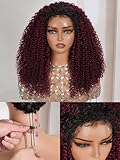
WIGCHIC 16" Kinky Curly Half Wig Human Hair Burgundy & Dark Roots | Flip-Over Drawstring | Seamless 4C Hairline | True Length | 3-in-1 Styling | Beginner Friendly (T1B/99J) | Check Price On Amazon |

|
Hair Removal Cream for Men & Women: Painless Depilatory for Sensitive Skin & Intimate Areas, Moisturizing with Aloe Vera & Vitamin E, Safe for Face, Underarms, Bikini, Arms (3.7 Fl Oz (Pack of 2)) | Check Price On Amazon |
|
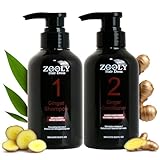
ZOOLY PROFESSIONAL Ginger Shampoo and Conditioner Sets 20.3 Fl Oz- Anti Hair Loss and Nourishes Hair Roots, Salon Level Scalp Care for Men and Women | Check Price On Amazon |

|
LUSN Baby Hair Clippers with Vacuum, Quiet Hair Trimmers for Kids, IPX7 Waterproof Rechargeable Cordless Haircut Kit for Baby Children Infant | Check Price On Amazon |
|
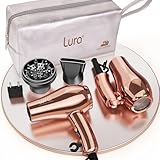
LURA Dual Voltage Travel Hair Dryer with Diffuser,Travel Blow Dryer Mini with EU Plug and UK Plug,Lightweight Portable Hairdryers with Folding Handle,1200W Compact Small Blowdryers for Women | Check Price On Amazon |
When hair loses its pigment, the structure changes significantly. Gray hair strands typically have a different cuticle structure than pigmented hair. The cuticle (outer layer) often becomes more raised and rough, making gray hair more susceptible to damage, dryness, and frizz. This structural change is why your tried-and-true curly hair products may suddenly seem ineffective.
Additionally, gray hair produces less sebum (natural oil), leading to increased dryness. This reduction in natural moisture, combined with the altered cuticle structure, creates the perfect storm for rebellious gray curls that may feel wiry, unmanageable, or inconsistent in texture.
In my clinical practice, I’ve observed that many clients are surprised to learn that their curl pattern often changes during the graying process. Some notice their curls becoming tighter, while others experience looser patterns. This variability stems from how the hair follicle shape adjusts as melanin production decreases.
The Science Behind Gray Hair Texture Changes
The texture changes many experience with gray hair aren’t random—they result from specific biological processes that affect the hair follicle and shaft structure.
Key factors influencing gray curly hair texture include:
- Melanin loss affects hair shaft diameter, making strands typically thinner and more prone to breakage
- Decreased sebum production leads to less natural lubrication between hair cuticles
- Protein structure alterations change how your hair bends and curves, affecting curl formation
- Aging hair follicles may change shape, directly impacting curl pattern
- Hormone fluctuations associated with aging influence hair growth cycles and texture
Research published in the International Journal of Trichology confirms that melanin serves not just as pigment but also provides structural support within the hair shaft. Without this support, gray hair often becomes more porous and vulnerable to environmental stressors.
How to Determine Your Gray Curly Hair’s Unique Needs
Not all gray curly hair is the same. Determining your specific characteristics is essential for choosing the right care approach.
Perform these simple assessments to understand your gray curly hair’s needs:
Porosity Test: Take a clean strand of gray hair and place it in a glass of water. If it quickly sinks, you have high porosity (absorbs moisture easily but loses it quickly). If it floats, you have low porosity (resists moisture absorption). If it slowly sinks, you have medium porosity (balanced moisture absorption).
Protein Sensitivity Check: After using protein-rich products, does your hair feel strong and bouncy or stiff and brittle? Stiffness indicates protein sensitivity.
Elasticity Test: When wet, gently stretch a curl. Healthy hair should stretch slightly and return to its original shape. Minimal stretch or breakage indicates your hair needs more moisture, while excessive stretch without returning to shape suggests protein deficiency.
Understanding these characteristics will guide your product choices and routine adjustments in the following sections.
The Complete Gray Curly Hair Care Routine: Foundation Steps
A successful gray curly hair care routine addresses the key challenges of moisture retention, protein balance, and cuticle protection. Here’s your core routine, with modifications suggested in later sections for different curl patterns.
Based on treating hundreds of clients with gray curly hair, I’ve developed this foundation routine that works across most curl patterns. Consistency with these steps creates the framework for healthy gray curls:
Cleansing Gray Curly Hair: Techniques and Frequency
Proper cleansing is the foundation of healthy gray curly hair. The right techniques and products remove buildup without stripping essential moisture.
For most gray curly hair types, limit shampooing to 1-2 times per week. Daily washing typically strips too much moisture from already dry gray curls. Between wash days, refresh with water or diluted conditioner.
Choose sulfate-free shampoos specifically formulated for dry or aging hair. Harsh sulfates (like sodium lauryl sulfate) can be particularly damaging to gray curls, removing too much natural oil and increasing frizz.
When washing, focus on the scalp rather than the length of your hair. Use fingertips to massage the scalp gently in circular motions. This stimulates blood flow while loosening buildup without causing tangles.
Water temperature matters significantly for gray curly hair. Use lukewarm water for washing and cool water for the final rinse. Hot water opens the cuticle too much, allowing moisture to escape, while cool water helps seal the cuticle, enhancing shine and reducing frizz.
For extremely dry gray curls, consider pre-shampoo treatments with natural oils like jojoba or argan oil. Apply to dry hair 30 minutes before washing to provide a protective barrier against moisture loss during cleansing.
Conditioning Strategies for Maximum Moisture Retention
Gray curly hair typically needs significantly more conditioning than pigmented hair. These techniques ensure deep moisture penetration and retention.
Standard conditioners often aren’t enough for gray curly hair. I recommend deep conditioning at least weekly, increasing to twice weekly if your hair shows signs of dryness like frizz, brittleness, or difficulty holding its curl pattern.
When applying conditioner, use the “praying hands” method first to distribute product evenly, then gently scrunch upward to encourage curl formation. This technique helps conditioner penetrate the hair shaft while respecting your natural curl pattern.
For enhanced conditioning, apply heat. After applying your deep conditioner, cover with a shower cap and either sit under a hooded dryer for 20 minutes or wrap your head with a warm, damp towel. Heat opens the cuticle, allowing conditioning agents to penetrate more deeply.
Signs of under-conditioning in gray curly hair include excessive frizz, dryness, tangles, and brittleness. Signs of over-conditioning include limp curls, greasy appearance, and lack of volume. Adjust your conditioning frequency and product heaviness accordingly.
For budget-friendly options, look for conditioners containing glycerin, shea butter, and plant-based oils. For premium options, seek products with hyaluronic acid, ceramides, and panthenol, which provide exceptional moisture without weighing down curly hair textures.
Protein-Moisture Balance: The Key to Healthy Gray Curls
Perhaps the most crucial aspect of gray curly hair care is maintaining the delicate balance between protein and moisture—a balance that changes as hair loses pigment.
Hair is primarily made of protein (keratin), but gray hair often experiences protein loss as part of the aging process. Simultaneously, it typically needs more moisture due to decreased oil production. Finding the perfect balance between these elements is essential for gray curly hair health.
Protein overload in gray curly hair manifests as stiffness, brittleness, and a straw-like texture. Your curls may feel hard or snap easily when stretched. If you experience these symptoms, reduce protein treatments and increase moisturizing products.
Moisture overload presents as overly soft, limp curls that lack definition and feel mushy when wet. Gray curls may take extremely long to dry or seem unable to hold their shape. In this case, introduce more protein-containing products while reducing heavy moisturizers.
Dr. Alan Bauman, board-certified hair restoration physician, explains: “The protein-moisture balance is particularly crucial for gray hair because the structural changes in the hair shaft after pigment loss create new vulnerabilities. Many people mistakenly treat all gray hair problems with moisture when protein might be what’s needed.”
To correct imbalances, start with a clarifying wash to remove buildup, then assess your hair’s current state. For protein overload, use protein-free deep conditioners weekly until balance is restored. For moisture overload, incorporate a moderate protein treatment followed by lightweight moisturizers.
Maintain balance by alternating between protein and moisture treatments, adjusting frequency based on your hair’s response. Most gray curly hair requires protein treatments every 4-6 weeks, with regular moisture maintenance between treatments.
Product Selection Guide for Gray Curly Hair
Selecting the right products for gray curly hair requires understanding both ingredient functions and your hair’s specific needs. This guide helps you navigate options across all price points.
Based on my clinical experience and research, these ingredients provide exceptional benefits for gray curly hair:
- Hyaluronic acid: Attracts and binds moisture to hair strands
- Panthenol (Pro-Vitamin B5): Penetrates the hair shaft to provide moisture from within
- Hydrolyzed proteins: Fill gaps in damaged cuticles and strengthen hair structure
- Ceramides: Repair damaged cuticles and improve moisture retention
- Argan oil: Provides lightweight moisture without weighing down curls
Conversely, avoid these ingredients that can damage gray curly hair:
- Sulfates: Strip natural oils and exacerbate dryness
- Silicones (especially non-water-soluble ones): Cause buildup that prevents moisture absorption
- Alcohol (denatured): Dries out already moisture-deficient gray hair
- Synthetic fragrance: Often contains drying alcohols and can cause scalp irritation
For high-porosity gray curly hair, look for rich, cream-based products with butters and oils. For low-porosity hair, lighter lotions and gels with humectants like glycerin work better.
When layering products, follow the general rule of thinnest to thickest consistency: leave-in conditioner first, followed by curl cream, and finally stylers like gels or mousses. This prevents product barriers that block moisture penetration.
For sustainable options, brands like Innersense Organic Beauty and Jessicurl offer clean formulations that work exceptionally well for gray curly hair while minimizing environmental impact.
Gray Hair Yellowing: Prevention and Treatment Products
Yellowing or brassiness in gray curly hair can result from several factors, from environmental exposure to product buildup. Here’s how to prevent and correct this common issue.
The main causes of yellowing in gray curly hair include:
- Mineral deposits from hard water
- Environmental pollutants
- Product buildup, especially from silicones and oils
- Heat damage from styling tools
- Medication side effects
- Smoking
For curly hair, purple shampoos are generally better than blue options, as purple directly counteracts yellow tones. However, most purple shampoos can be drying. I recommend using them only once every 1-2 weeks, followed by deep conditioning.
The Joico Color Balance Purple Shampoo (check price on Amazon) works well for curly hair as it’s less drying than many alternatives. For a more budget-friendly option, consider the Not Your Mother’s Triple Threat Brunette (check price on Amazon).
Non-shampoo alternatives include clear gloss treatments, which add shine without color, and leave-in products with optical brighteners. These can be less damaging for fragile gray curls while still preventing yellowing.
Installing a shower filter to remove minerals and chlorine can significantly reduce yellowing. Additionally, wearing a hat in direct sunlight protects your gray curls from UV damage that contributes to brassiness.
Specialized Treatments for Gray Curly Hair
Beyond daily care, specialized treatments can address specific concerns and enhance the health of gray curly hair. Here’s your guide to treatments worth incorporating into your routine.
Bond-building treatments have revolutionized gray curly hair care by repairing broken disulfide bonds within the hair structure. Products like Olaplex No. 3 (check price on Amazon) or the more affordable K18 Molecular Repair Mask (check price on Amazon) can dramatically improve elasticity and strength. Use these every 2-3 weeks for maintenance.
For protein treatments, apply a moderate protein mask like the Briogeo Don’t Despair, Repair! mask monthly. If your hair is severely damaged, you might need treatments every two weeks initially, then decrease frequency as hair health improves.
For intense moisture without protein, pure aloe vera gel mixed with a tablespoon of honey makes an excellent DIY treatment. Apply to damp hair, cover with a shower cap, and let sit for 30 minutes before rinsing.
Scalp treatments are particularly important as we age. Exfoliating scalp scrubs remove buildup that can clog follicles and inhibit healthy growth. The Briogeo Scalp Revival (check price on Amazon) contains charcoal to detoxify and tea tree oil to balance the scalp microbiome.
For an effective treatment schedule, alternate between protein and moisture treatments weekly, with bond-building treatments every 2-3 weeks and scalp treatments monthly.
Styling Techniques for Beautiful Gray Curls
Styling gray curly hair requires techniques that enhance definition while minimizing manipulation and potential damage. These methods showcase your curls’ natural beauty.
The most effective styling begins with soaking wet hair. After conditioning, resist the urge to towel dry before applying products. Instead, gently squeeze out excess water with your hands and apply your styling products while hair is still very wet.
For product application, the “praying hands” method works well for initial distribution, followed by gentle scrunching. This technique helps maintain curl integrity and minimize frizz. For tighter curl patterns, try the “rake and shake” method, using fingers to distribute product through sections, then gently shaking each curl clump to encourage definition.
When drying, diffusing on low heat with a microfiber towel placed inside the diffuser reduces direct heat contact while speeding drying time. For air drying, “plopping” with a microfiber towel or 100% cotton t-shirt for 15-20 minutes helps curls form without disturbance.
For refreshing between washes, mix water with a small amount of leave-in conditioner in a spray bottle. Lightly mist your hair, then scrunch gently upward. For stubborn sections, dampen your hands and smooth the product over frizzy areas, twirling the ends around your finger to reform curls.
Protective styling becomes increasingly important for fragile gray curls. Loose buns secured with silk scrunchies, pineappling (gathering hair loosely at the top of the head) at night, and two-strand twists all protect curls while maintaining definition.
In humid conditions, use stronger hold products like botanical gels that create a moisture-sealing cast. In dry conditions, reduce hold products and increase leave-in conditioners to prevent excessive dryness.
Customized Care for Different Gray Curl Patterns
Gray curly hair varies tremendously across different curl patterns. This section provides pattern-specific adaptations to the foundation routine.
Type 2 Wavy Gray Hair: Special Considerations
Gray wavy hair (Type 2) often experiences significant texture changes, typically becoming either straighter or more coiled. Here’s how to adapt your care routine for this specific pattern.
Many clients with Type 2 gray hair notice their waves becoming more pronounced as they gray, but struggle with inconsistency in wave pattern. Some sections may become almost straight while others develop tight waves.
Product weight is crucial for Type 2 gray hair. Heavy products designed for tighter curls will likely flatten your waves. Opt for lightweight mousses and foams rather than creams or butters. DevaCurl Wave Maker (check price on Amazon) provides light hold without weighing down waves.
For enhancing natural waves, try the “scrunch and crunch” method: apply styling product to very wet hair, scrunch gently with a microfiber towel, then allow to air dry completely without touching. Once fully dry, scrunch again to break the cast and create soft, defined waves.
A common mistake with Type 2 gray hair is over-conditioning. While gray hair needs moisture, too much can weigh down wavy patterns. Focus conditioner on mid-lengths to ends, keeping it away from the roots.
For washing, co-washing (using conditioner instead of shampoo) often doesn’t work well for Type 2 gray hair. Instead, use a gentle low-poo shampoo that cleans without stripping, followed by a lightweight conditioner.
Type 3 Curly Gray Hair: Enhancing Definition
Type 3 gray curly hair often struggles with inconsistent curl pattern and definition. These adaptations help maintain uniformity and bounce.
The most common challenge with Type 3 gray curls is managing the “halo” of frizz that develops, particularly in the crown area. This happens because gray hairs in this region often have a different texture than the rest of your curls.
To address pattern inconsistency, section hair when styling and treat different areas according to their specific needs. Areas with tighter curls may need more moisture, while looser sections might benefit from stronger hold products.
The denman brush technique works exceptionally well for enhancing definition in Type 3 gray curls. After applying styling products to very wet hair, use a Denman brush to smooth small sections away from the scalp, then rotate the brush to create a curl. This technique creates consistent curl clumps that dry with improved definition.
For styling products, curly hair that’s been ombré colored or is now gray typically responds well to cream-gel combinations. Apply a moisture-rich curl cream first, followed by a medium-hold gel to seal in moisture and create definition.
To maintain volume at the roots while controlling frizz, try root clipping. While hair is damp, place small hair clips at the roots to lift hair away from the scalp as it dries. This creates volume without disrupting curl pattern.
Type 4 Coily Gray Hair: Moisture and Protection
Type 4 gray coily hair requires specialized attention to moisture retention and protective styling to thrive. These modifications address the unique needs of this pattern.
Type 4 gray coily hair faces the greatest moisture challenges of all curl patterns. The tight coil structure already makes it difficult for natural oils to travel down the hair shaft, and this is compounded by the reduced sebum production in gray hair.
The LOC (Liquid-Oil-Cream) or LCO (Liquid-Cream-Oil) method is essential for Type 4 gray hair. Start with water or a water-based leave-in, follow with a cream-based moisturizer, and seal with a natural oil like jojoba or grapeseed. Some hair responds better to the oil before cream (LOC), while others prefer cream before oil (LCO). Experiment to see which works best for your hair.
Protective styling becomes crucial for Type 4 gray hair to retain length and prevent breakage. Twisted styles, braids, and updos that last 1-2 weeks give fragile gray coils a break from daily manipulation. When creating these styles, ensure they’re not too tight, as gray hair is more susceptible to traction alopecia.
For detangling, always use a slippery conditioner and start from the ends working upward with your fingers or a wide-tooth comb. Never detangle dry Type 4 gray hair, as this can cause significant breakage.
To address shrinkage in Type 4 gray hair, try the banding method. While hair is damp, divide it into sections and wrap each section with several small elastic bands along the length. Allow to dry in this stretched position to reduce shrinkage while maintaining curl integrity.
In addition to your regular deep conditioning, consider overnight treatments with a lightweight oil for Type 4 gray hair. Grapeseed oil works well as it penetrates the hair shaft without causing buildup.
Seasonal Care Adjustments for Gray Curly Hair
Gray curly hair responds significantly to environmental changes. Adapting your routine seasonally helps maintain consistent results year-round.
During winter, central heating systems drastically reduce humidity levels, exacerbating the natural dryness of gray curly hair. Increase deep conditioning to twice weekly and consider adding a humidifier to your home. Switch to richer, more emollient products containing shea butter or cocoa butter to create a protective barrier against moisture loss.
Layer your products more heavily in winter, applying leave-in conditioner, curl cream, and then a sealing oil to lock in moisture. Protective styles like loose braids or twists can also minimize exposure to dry winter air.
For summer, curly hair color trends may influence your choices, but UV protection becomes critical for gray hair, which lacks melanin’s natural sun protection. Look for products containing UV filters or natural protectants like red raspberry seed oil. Clarify more frequently (every 2-3 weeks) to remove chlorine, salt water, and sunscreen residue that can discolor gray hair.
Humid summer conditions may require stronger hold products to prevent frizz. Consider switching from creams to gels with anti-humidity ingredients like aloe vera or flaxseed.
Spring transitional weather calls for flexibility. Keep both lighter and heavier products on hand and adjust based on the day’s humidity levels. This is also an ideal time for a clarifying treatment to remove winter product buildup.
Fall preparation should focus on strengthening hair before winter’s harsh conditions. Incorporate more protein treatments and seal ends with heavier butters to prevent breakage as temperatures drop.
Addressing Special Concerns for Gray Curly Hair
Beyond basic care, gray curly hair often presents specific challenges that require targeted solutions. Here’s how to address the most common concerns.
Thinning and volume loss frequently accompany the graying process. To address this, use lightweight products that won’t weigh hair down and consider volumizing mousses applied to the roots. The Curlsmith Volume Foam (check price on Amazon) provides lift without sacrificing moisture.
Root clipping during drying and diffusing upside down can also create significant volume. For more persistent thinning, consult a trichologist about scalp treatments that stimulate follicle health.
Breakage and fragility increase with gray hair due to structural changes. Minimize heat styling and mechanical manipulation. When detangling, always use a wide-tooth comb or fingers with plenty of slip from a conditioner. Silk or satin pillowcases and bonnets reduce friction during sleep that can break fragile gray curls.
Inconsistent texture—where some gray hairs feel wiry while others remain soft—is common. Target those resistant wiry strands with extra conditioning by finger-coating them with a richer product. During styling, twist these sections more firmly to help them blend with the rest of your curl pattern.
Hard water is particularly problematic for gray curly hair, as mineral deposits can cause discoloration and prevent moisture absorption. Install a shower filter or use chelating shampoos monthly to remove buildup. Follow with intensive conditioning to restore moisture.
For travel to different climates, pack travel sizes of both your regular products and alternatives appropriate for your destination’s humidity levels. Always bring a satin pillowcase, as hotel linens can cause significant frizz and breakage.
Transitioning to Gray Curly Hair: Managing the Process
The transition to natural gray curly hair can be challenging but rewarding. These approaches help manage the in-between stage while establishing proper care habits.
There are three main approaches to transitioning:
- Cold turkey: Growing out your natural gray without coloring. This is the most economical approach but requires patience through the “skunk line” phase.
- Highlights/lowlights: Adding strategic highlights or lowlights to blend the line of demarcation between colored and gray hair. This creates a more gradual transition.
- Pixie cut: Cutting hair very short to remove most colored portions at once, then growing out your natural gray. This is the fastest method but requires comfort with short styles.
For those choosing the grow-out method, expect a full transition to take 1-2 years depending on your hair length and growth rate. During this time, you’ll need to adjust your care routine to address two different textures.
To manage different textures during transition, use products specifically formulated for gray hair on your roots and targeted products for color-treated hair on your ends. Deep condition regularly, focusing extra product on the fragile demarcation line where breakage often occurs.
Transitional styles that disguise the line of demarcation include:
- Braided styles that blend the colors together
- Twist-outs that create uniform texture throughout
- Headbands and scarves that cover the most obvious grow-out sections
- Curly hair perms that can help blend different textures during transition
Many of my clients report that their curl pattern changes during transition. This is normal and happens because virgin gray hair often has a different texture than color-treated hair. Embrace this as part of the journey rather than fighting it.
Professional Treatments and Salon Services for Gray Curly Hair
Professional treatments can significantly enhance gray curly hair health, but not all salon services are beneficial. Here’s how to determine which treatments are worth your investment.
Beneficial professional treatments for gray curly hair include:
- Keratin treatments (formaldehyde-free): These can help manage frizz without completely straightening curls. Ask specifically for “curl-friendly” or “smoothing” rather than “straightening” treatments.
- In-salon bond building treatments: Professional-strength Olaplex or K18 treatments repair structural damage and improve elasticity.
- Scalp treatments: Professional exfoliation and moisturizing treatments improve follicle health and can address age-related scalp changes.
- Custom hair glazes: Clear glazes add shine without color, while violet-toned glazes can neutralize yellowing.
Treatments to approach with caution include:
- Traditional relaxers: These can be too harsh for already fragile gray hair and may cause significant damage.
- Permanent color: While it can cover gray, permanent color can increase dryness and damage. If choosing to color, consider demi-permanent options instead.
- Curly hair chemical relaxers: These can be too harsh for already sensitive gray hair and may cause breakage.
When selecting a stylist, ask these specific questions:
- “What percentage of your clients have gray curly hair?”
- “What specific techniques do you use differently for gray curls versus pigmented curls?”
- “Can you show me photos of gray curly clients you’ve worked with?”
- “What products do you recommend specifically for gray curly hair?”
For most professional treatments, schedule maintenance every 10-12 weeks. However, customize this timeline based on your hair’s specific needs and response to treatments.
Nutrition and Lifestyle Factors for Healthy Gray Curly Hair
Gray curly hair health begins from within. These nutrition and lifestyle factors support vibrant curls from the inside out.
Key nutrients that support gray curly hair health include:
- Vitamin E: Supports scalp circulation and acts as an antioxidant. Found in nuts, seeds, and leafy greens.
- Biotin: Strengthens keratin infrastructure. Found in eggs, salmon, and avocados.
- Omega-3 fatty acids: Provide essential oils for scalp and hair moisture. Found in fatty fish, walnuts, and flaxseeds.
- Vitamin C: Supports collagen production and iron absorption. Found in citrus fruits, berries, and bell peppers.
- Zinc: Supports hair tissue growth and repair. Found in oysters, beef, and pumpkin seeds.
In my clinical practice, I’ve seen significant improvements in gray curly hair texture when clients increase their water intake to at least 2 liters daily. Proper hydration directly impacts how well your hair can absorb and retain moisture from products.
Chronic stress can significantly impact hair health by affecting hormone balance and triggering inflammation. Regular stress management practices like meditation, yoga, or even simple deep breathing exercises support healthy hair growth and maintenance.
Sleep quality directly correlates with hair health. During deep sleep, growth hormones peak, supporting follicle regeneration. Aim for 7-8 hours of quality sleep, preferably on a silk or satin pillowcase to protect your gray curls from friction damage.
Environmental factors to minimize include excessive sun exposure, cigarette smoke, and pollution, all of which create free radicals that damage hair structure and can cause yellowing in gray hair. Wear protective hats in strong sunlight and consider using products with antioxidants to combat environmental damage.
Gray Curly Hair Styling Inspiration and Flattering Cuts
Gray curly hair offers stunning styling possibilities that celebrate its unique texture. These cuts and styles enhance your natural pattern while accommodating gray hair’s specific needs.
For face-framing options, layers that begin at the cheekbones generally flatter most face shapes with gray curly hair. These create movement without removing too much weight, which can be problematic for already thin gray hair.
Length considerations vary by curl pattern. For Type 2 waves, shoulder-length or longer styles with long layers prevent the “triangle” effect. For Type 3 curls, collarbone-length cuts with layers throughout create shape while maintaining volume. For Type 4 coils, curly hair balayage or strategic layering can enhance your natural texture while providing dimension.
If you prefer shorter styles, consider:
- Curly pixies with longer tops for versatility
- Curly bobs that hit just above the shoulder to maximize bounce
- Shag cuts with curtain bangs that frame the face
For special occasions, try these low-manipulation styles:
- Twisted crown with curls flowing in the back
- Side-swept curls secured with decorative pins
- Half-up styles that showcase your silver curls while keeping hair off your face
When discussing cuts with your stylist, bring photos of styles you like on people with similar curl patterns and face shapes. Use specific terminology like “weight removal” rather than “thinning” and “shape” rather than just “layers” to communicate your goals clearly.
For color enhancement options, consider subtle highlights on curly hair in silver or platinum tones to brighten all-over gray, or strategic lowlights in ash tones to add dimension without covering your natural gray.
Building Your Gray Curly Hair Product Collection: Where to Start
Building an effective product collection for gray curly hair can be overwhelming. This strategic approach helps you invest wisely in products that work together effectively.
Begin with these four essential products, regardless of budget:
- Sulfate-free shampoo formulated for gray or silver hair – Cleanses without stripping essential moisture
- Moisturizing conditioner with slip for detangling – Provides essential hydration and makes detangling easier
- Leave-in conditioner – Offers ongoing moisture protection throughout the day
- Styling product with hold (gel or cream) – Defines curls and provides frizz control
Once you have these basics, add these products in order of importance:
- Deep conditioner – For weekly intensive moisture
- Curl refresher spray – For between-wash revival
- Protein treatment – For structural support
- Scalp treatment – For follicle health
- Specialized treatments (anti-yellowing, bond builders, etc.)
Multi-purpose products that offer excellent value include:
- Leave-in conditioners that can double as refresher sprays when diluted with water
- Deep conditioners that contain light protein for balanced treatment
- Styling creams that provide both moisture and hold
To evaluate if a product is working for your gray curls, give it at least 2-3 uses before deciding. Products may perform differently based on application technique, amount used, and how they interact with other products in your routine.
Budget-friendly alternatives that perform well include:
- Giovanni Direct Leave-In (check price on Amazon) as an alternative to more expensive leave-ins
- Kinky-Curly Curling Custard (check price on Amazon) instead of premium styling creams
- Aussie 3-Minute Miracle (check price on Amazon) as an affordable deep conditioner
Worth the splurge are products that address specific gray hair concerns like professional-grade bond builders, specialized anti-yellowing treatments, and high-quality protein treatments, as these target structural issues that budget products may not address effectively.
Conclusion: Embracing Your Gray Curly Hair Journey
Caring for gray curly hair is both a science and an art—one that evolves as you learn your hair’s unique needs. Remember these key principles as you continue your journey.
Gray curly hair care success depends on understanding the structural changes happening within your hair and addressing both moisture and protein needs appropriately. Consistency with your routine will yield the best results, though seasonal adjustments and occasional troubleshooting are normal parts of the process.
Remember that gray curly hair represents a beautiful expression of natural aging. Its unique shine and texture cannot be replicated, and with proper care, it can become one of your most striking features.
Join online communities like Silver Sisters or Curly Silver to connect with others on similar journeys. These groups offer support, product recommendations, and inspiration as you continue exploring what works best for your individual gray curly hair.
Your gray curly hair journey is personal and ever-evolving. Be patient with the process, celebrate small victories, and enjoy the distinctive beauty that comes with embracing your natural silver curls.
| Photo | Popular Hair Product | Price |
|---|---|---|
|
|
Kkioor 24 Inch Chocolate Brown Human Hair Wig 200 Density Body Wave Lace Front Wigs Human Hair Pre Plucked 13X4 HD Frontal Wig 4# Colored Brown Wig For Women Glueless Wigs | Check Price On Amazon |
|
|
KingSup 613 Lace Front Wig Human Hair Pre Plucked 250 Density 26 Inch 5x5 HD Lace Closure Straight Blonde Wig Human Hair, 100% Real Human Hair without Synthetic Blend Tangle Free Triple Lifespan 3X | Check Price On Amazon |
|
|
WIGCHIC 16" Kinky Curly Half Wig Human Hair Burgundy & Dark Roots | Flip-Over Drawstring | Seamless 4C Hairline | True Length | 3-in-1 Styling | Beginner Friendly (T1B/99J) | Check Price On Amazon |
|
|
Hair Removal Cream for Men & Women: Painless Depilatory for Sensitive Skin & Intimate Areas, Moisturizing with Aloe Vera & Vitamin E, Safe for Face, Underarms, Bikini, Arms (3.7 Fl Oz (Pack of 2)) | Check Price On Amazon |
|
|
ZOOLY PROFESSIONAL Ginger Shampoo and Conditioner Sets 20.3 Fl Oz- Anti Hair Loss and Nourishes Hair Roots, Salon Level Scalp Care for Men and Women | Check Price On Amazon |
|
|
LUSN Baby Hair Clippers with Vacuum, Quiet Hair Trimmers for Kids, IPX7 Waterproof Rechargeable Cordless Haircut Kit for Baby Children Infant | Check Price On Amazon |
|
|
LURA Dual Voltage Travel Hair Dryer with Diffuser,Travel Blow Dryer Mini with EU Plug and UK Plug,Lightweight Portable Hairdryers with Folding Handle,1200W Compact Small Blowdryers for Women | Check Price On Amazon |