Can You Dye a Synthetic Wig? Safe Methods & Expert Tips


Standard oxidative hair dye cannot successfully color synthetic fibers because petroleum-based wigs lack a porous cuticle layer. The plastic polymers repel traditional alkaline developers, leaving color streaky and permanently stiffening the fiber.
Attempting to bleach or permanently dye a standard synthetic wig destroys the material through harsh chemical reactions. You must use fabric-safe polyester dyes or specialized synthetic wig markers for any color changes.
| Photo | Popular Hair Product | Price |
|---|---|---|

|
Kkioor 24 Inch Chocolate Brown Human Hair Wig 200 Density Body Wave Lace Front Wigs Human Hair Pre Plucked 13X4 HD Frontal Wig 4# Colored Brown Wig For Women Glueless Wigs | Check Price On Amazon |

|
KingSup 613 Lace Front Wig Human Hair Pre Plucked 250 Density 26 Inch 5x5 HD Lace Closure Straight Blonde Wig Human Hair, 100% Real Human Hair without Synthetic Blend Tangle Free Triple Lifespan 3X | Check Price On Amazon |
|
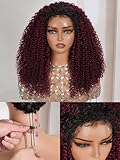
WIGCHIC 16" Kinky Curly Half Wig Human Hair Burgundy & Dark Roots | Flip-Over Drawstring | Seamless 4C Hairline | True Length | 3-in-1 Styling | Beginner Friendly (T1B/99J) | Check Price On Amazon |

|
Hair Removal Cream for Men & Women: Painless Depilatory for Sensitive Skin & Intimate Areas, Moisturizing with Aloe Vera & Vitamin E, Safe for Face, Underarms, Bikini, Arms (3.7 Fl Oz (Pack of 2)) | Check Price On Amazon |
|
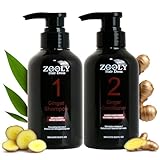
ZOOLY PROFESSIONAL Ginger Shampoo and Conditioner Sets 20.3 Fl Oz- Anti Hair Loss and Nourishes Hair Roots, Salon Level Scalp Care for Men and Women | Check Price On Amazon |

|
LUSN Baby Hair Clippers with Vacuum, Quiet Hair Trimmers for Kids, IPX7 Waterproof Rechargeable Cordless Haircut Kit for Baby Children Infant | Check Price On Amazon |
|
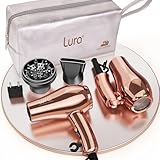
LURA Dual Voltage Travel Hair Dryer with Diffuser,Travel Blow Dryer Mini with EU Plug and UK Plug,Lightweight Portable Hairdryers with Folding Handle,1200W Compact Small Blowdryers for Women | Check Price On Amazon |
Why Standard Human Hair Dye Fails on Synthetic Fibers
Synthetic wigs consist of modacrylic, kanekalon, or polyester polymers that completely lack the open cortex structure found in biological hair. Human hair dye relies on an alkaline developer to lift cuticles and deposit pigment inside the hair shaft.
Applying standard salon color or permanent at-home coloring kits creates a sticky residue that never washes clean. The plastic surface becomes tacky, tangled, and prone to severe matting that requires complete replacement.
The pH scale of human hair dye typically runs between 9.0 and 10.5 to force chemical penetration. Synthetic fibers degrade rapidly at these alkaline levels, leading to irreversible fiber fusion and complete loss of factory styling.
The Science Behind Plastic Hair and Chemical Processing
Modacrylic and kanekalon fibers are engineered copolymers designed specifically for heat setting and color retention during manufacturing. Industrial dye baths around 200°F (93°C) bind pigment permanently before the wig ever reaches retail shelves.
Current polymer research in textile chemistry confirms that plastic strands lack the keratin protein chains required for oxidative bonding. Without disulfide bonds to break and reform, traditional hair color simply slides off the smooth surface.
You can understand the structural difference by reviewing how fiber composition dictates chemical compatibility across different manufacturing methods. Petroleum derivatives do not react to hydrogen peroxide developers in any predictable manner.
Heat-resistant synthetic blends tolerate flat iron temperatures up to 350°F (177°C) but remain completely sealed against liquid chemicals. The protective coating preserves style memory but actively rejects external pigment application.
Myth vs Fact
Synthetic Wig Coloring – Common Misconceptions Debunked
Separating viral social media trends from actual fiber chemistry and textile safety data
✗ Myth
You can bleach synthetic wigs lighter using standard salon developer and ammonia.
✓ Fact
Bleaching melts plastic polymers instantly because oxidative chemicals target keratin proteins that synthetic fibers completely lack.
✗ Myth
Fabric dye works on all wig materials regardless of temperature or fiber blend.
✓ Fact
Only polyesters and nylons accept permanent fabric dye at controlled heat levels, while pure modacrylic rejects molecular bonding entirely.
Safe Methods to Change the Color of a Synthetic Wig
Fabric dye formulated specifically for polyester remains the only reliable method for permanently darkening synthetic hair. Products like Rit DyeMore require sustained heat exposure to bond with synthetic polymers at the molecular level.
You cannot lighten a synthetic wig to a darker shade because plastic fibers cannot be stripped of factory-applied factory color. Chemical bleaching collapses modacrylic strands instantly, leaving brittle clumps that resist detangling.
Alcohol-based fabric markers provide temporary surface tinting for targeted streaks or root touch-ups. The ink sits on the outer polymer coating and fades gradually after three gentle washes with cool water.
Professional stylists consistently recommend temporary color sprays rated for synthetic fibers for rapid event styling. These cosmetic formulations rinse out completely without leaving stiffness behind.
Step-by-Step Guide
How to Apply Fabric Dye Safely to a Synthetic Wig
5 steps · Requires 45 minutes total processing time
Detangle and Prep the Base
Gentle detangling spray removes knots before submersion, ensuring even color absorption across wefts and cap base.
Mix Dye Solution at Correct Temperature
Heat one gallon of water to exactly 180°F (82°C) and stir in polyester-specific dye powder until fully dissolved.
Submerge Strands Gradually
Lower the wig slowly using a long handled wooden spoon to prevent boiling water from splashing and melting the cap mesh.
Monitor Processing Time Strictly
Maintain temperature for 30 to 40 minutes, stirring gently every five minutes to expose all fiber surfaces.
Cool Rinse and Air Dry
Rinse under running cold water until runoff clears, then place on a ventilated wig stand to dry completely without heat application.
Fiber Type Compatibility Chart
Not all synthetic wigs accept color treatments the same way, making material identification your first critical step. Manufacturers blend different polymers to achieve specific textures, shine levels, and heat tolerances.
Use the following reference table to match your wig material with safe application methods. Cross-referencing fiber type with chemical tolerance prevents irreversible damage during experimental coloring.
| Fiber Type | Permanent Option | Heat Tolerance | Best Method | Risk Level |
|---|---|---|---|---|
| Modacrylic Blend | None (Rejects Dye) | None / Melts at 200°F | Surface Spray Only | High |
| Kanekalon | Alcohol Markers | Low (250°F Max) | Targeted Ink Tinting | Medium |
| Futura Polyester | Polyester Fabric Dye | High (Up to 350°F) | Hot Bath Submersion | Low |
| Toyokalon | Fabric Markers | Medium (280°F Max) | Cool Water Rinse | Medium |
Selecting the correct technique depends entirely on your starting base color and desired outcome depth. Always perform a strand test on a hidden nape section before processing the entire unit.
Troubleshooting Common Coloring Mistakes
Stiffness occurs immediately when developers oxidize against non-porous plastic strands instead of penetrating a cortex. Rinsing with cool water and applying silicone-free synthetic wig conditioner restores slight flexibility to the outer shell.
Patchy color distribution results from uneven dye absorption on textured surface coatings. Repeated submersion only worsens matting, so spot correction with matching alcohol markers remains safest.
Fiber melting happens when water temperatures exceed 180°F (82°C) during DIY fabric dye applications. Maintaining strict temperature control prevents polymer collapse and preserves your original factory style.
Unwanted residue buildup creates heavy weight that drags down part lines and flattens volume. Deep washing with clarifying shampoo formulated for synthetic hair removes surface oils without stripping wave patterns.
Frequently Asked Questions About Coloring Synthetic Wigs
Can you dye a synthetic wig darker without ruining it?
Quick Answer: You can darken select polyester-based blends using specialized polyester fabric dye applied at 180°F (82°C) for 30 to 40 minutes. Modacrylic and standard synthetic fibers reject permanent pigment entirely, making surface sprays your only safe alternative.
Industrial textile chemistry proves that plastic polymers require sustained heat to open microscopic gaps for dye absorption. Attempting to bypass temperature requirements leaves color sitting unequally on the outer coating, causing rapid fading and heavy stiffness.
Will regular human hair bleach work on synthetic strands?
Quick Answer: Standard hair bleach destroys synthetic fibers instantly by triggering rapid polymer breakdown instead of lifting natural pigment. Plastic strands lack the keratin structure required for oxidative lifting, guaranteeing irreversible melting upon contact.
You cannot safely lighten a synthetic unit using conventional salon powder and developer combinations. The alkaline pH of bleach solutions attacks the outer shell, fusing individual filaments together into permanent hardened clumps.
How long does fabric dye last on synthetic fibers?
Quick Answer: Properly applied polyester dye bonds permanently and survives daily wear for the entire lifespan of the wig. The color typically outlasts the cap construction and factory styling memory if maintained with cool water washes.
Chemical bonding occurs at the molecular level when heat activates polymer dye receptivity. The resulting shade resists sun exposure, sweat, and routine styling products better than surface-applied cosmetic sprays.
What is the best temporary color option for synthetic wigs?
Quick Answer: Water-based synthetic color sprays and alcohol-soluble hair chalks deliver vibrant temporary results that rinse out completely after three washes. These formulations sit entirely on the outer shell without penetrating or altering fiber integrity.
You gain complete creative freedom to experiment with bold shades, streaks, or ombré effects using non-toxic temporary products. The lightweight coating dries rapidly and prevents unwanted color transfer when stored properly.
Can you remove color from a pre-dyed synthetic wig?
Quick Answer: Removing permanent dye from synthetic hair is chemically impossible without destroying the fiber structure entirely. The industrial coloring process locks pigment into the polymer matrix during manufacturing, making reversal unachievable.
Attempting to strip color with acetone, alcohol, or commercial dye removers dissolves the surface coating rather than extracting pigment. Your safest option remains applying darker surface tints or embracing the existing shade.
Does alcohol ink damage synthetic hair over time?
Quick Answer: Diluted alcohol ink causes minimal damage when applied correctly and rinsed after four to six styling sessions. Concentrated undiluted solutions dry out the polymer shell, creating brittle sections that snap under tension.
You must mix the ink with a 50 percent isopropyl alcohol solution to maintain flexibility. Always follow application with a synthetic-safe detangling spray to restore slip to the treated areas.
Can you match a synthetic wig color to human hair extensions?
Quick Answer: Exact color matching requires custom blending using fabric dye batches rather than standard retail shade charts. Synthetic pigments reflect light differently than biological keratin, creating noticeable mismatches outdoors.
You should consult professional color charts that account for artificial fiber light reflection angles. Testing small weft samples under natural daylight prevents expensive matching errors.
Is it safe to microwave a synthetic wig for dye setting?
Quick Answer: Microwaving causes uneven polymer melting and severe fire hazards due to concentrated electromagnetic hot spots. Industrial dye immersion requires consistent water temperature control rather than microwave radiation.
Stovetop heating with a calibrated thermometer maintains uniform thermal conditions across the entire dye bath. Direct appliance contact guarantees irreversible cap deformation and chemical vapor release.
How often can you recolor synthetic hair safely?
Quick Answer: Permanent recoloring should occur no more than once per production lifecycle to prevent cumulative fiber degradation. Temporary sprays allow weekly reapplication as long as you cleanse thoroughly between sessions.
Repeated heat submersion gradually breaks down the memory coating that maintains your original wave or curl pattern. Rotating between spray treatments extends the functional life of your synthetic investment.
What happens if dye touches the lace cap construction?
Quick Answer: Dye staining on lace panels remains purely cosmetic because the nylon mesh does not bond with textile pigments like fiber does. Heavy dye concentration can stiffen the lace edge, requiring gentle conditioning to restore flexibility.
Washing the cap area with specialized lace cleaning solution removes surface residue without weakening the underlying structure. Tinting the lace with cosmetic powder matches it to your scalp tone after the color session.
Can you use food coloring on synthetic hair?
Quick Answer: Food coloring lacks the chemical agents necessary to bond with synthetic polymers and washes out completely during the first rinse. The temporary surface stain provides minimal coverage and often leaves sticky residue.
Water-soluble dyes penetrate only the outer microscopic layer without triggering polymer absorption. Investing in polyester-specific textile formulas guarantees predictable shade development and long-lasting results.
Final Recommendation
Standard oxidative color and bleach will permanently destroy synthetic wig fibers by triggering polymer melting instead of pigment deposition. You must rely on specialized polyester fabric dyes applied at controlled temperatures or temporary alcohol-based sprays to achieve safe color changes.
Select the appropriate method by checking your specific fiber blend and performing a hidden strand test before full application. Maintaining strict temperature discipline preserves factory styling memory while delivering the exact shade transformation you want.
| Photo | Popular Hair Product | Price |
|---|---|---|
|
|
Kkioor 24 Inch Chocolate Brown Human Hair Wig 200 Density Body Wave Lace Front Wigs Human Hair Pre Plucked 13X4 HD Frontal Wig 4# Colored Brown Wig For Women Glueless Wigs | Check Price On Amazon |
|
|
KingSup 613 Lace Front Wig Human Hair Pre Plucked 250 Density 26 Inch 5x5 HD Lace Closure Straight Blonde Wig Human Hair, 100% Real Human Hair without Synthetic Blend Tangle Free Triple Lifespan 3X | Check Price On Amazon |
|
|
WIGCHIC 16" Kinky Curly Half Wig Human Hair Burgundy & Dark Roots | Flip-Over Drawstring | Seamless 4C Hairline | True Length | 3-in-1 Styling | Beginner Friendly (T1B/99J) | Check Price On Amazon |
|
|
Hair Removal Cream for Men & Women: Painless Depilatory for Sensitive Skin & Intimate Areas, Moisturizing with Aloe Vera & Vitamin E, Safe for Face, Underarms, Bikini, Arms (3.7 Fl Oz (Pack of 2)) | Check Price On Amazon |
|
|
ZOOLY PROFESSIONAL Ginger Shampoo and Conditioner Sets 20.3 Fl Oz- Anti Hair Loss and Nourishes Hair Roots, Salon Level Scalp Care for Men and Women | Check Price On Amazon |
|
|
LUSN Baby Hair Clippers with Vacuum, Quiet Hair Trimmers for Kids, IPX7 Waterproof Rechargeable Cordless Haircut Kit for Baby Children Infant | Check Price On Amazon |
|
|
LURA Dual Voltage Travel Hair Dryer with Diffuser,Travel Blow Dryer Mini with EU Plug and UK Plug,Lightweight Portable Hairdryers with Folding Handle,1200W Compact Small Blowdryers for Women | Check Price On Amazon |