
Best Wigs for Hot Weather & Summer: Lightweight & Breathable


Wearing a wig in summer heat is not a comfort problem. It is a material and construction problem. The wrong cap traps body heat against your scalp, turns sweat into an adhesive problem, and makes even a 30-minute commute feel unbearable. The right wig, built with an open-weft or monofilament cap and lightweight fiber, lets heat escape the way your natural hair does.
This guide covers every wig type suited to hot weather, including open-cap wigs, monofilament wigs, hand-tied wigs, lace front wigs, glueless wear-and-go styles, and headband wigs, with specific density percentages, cap construction details, lace thicknesses, fiber types, and price ranges for each.
| Photo | Popular Hair Product | Price |
|---|---|---|

|
Kkioor 24 Inch Chocolate Brown Human Hair Wig 200 Density Body Wave Lace Front Wigs Human Hair Pre Plucked 13X4 HD Frontal Wig 4# Colored Brown Wig For Women Glueless Wigs | Check Price On Amazon |

|
KingSup 613 Lace Front Wig Human Hair Pre Plucked 250 Density 26 Inch 5x5 HD Lace Closure Straight Blonde Wig Human Hair, 100% Real Human Hair without Synthetic Blend Tangle Free Triple Lifespan 3X | Check Price On Amazon |
|
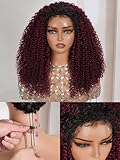
WIGCHIC 16" Kinky Curly Half Wig Human Hair Burgundy & Dark Roots | Flip-Over Drawstring | Seamless 4C Hairline | True Length | 3-in-1 Styling | Beginner Friendly (T1B/99J) | Check Price On Amazon |

|
Hair Removal Cream for Men & Women: Painless Depilatory for Sensitive Skin & Intimate Areas, Moisturizing with Aloe Vera & Vitamin E, Safe for Face, Underarms, Bikini, Arms (3.7 Fl Oz (Pack of 2)) | Check Price On Amazon |
|
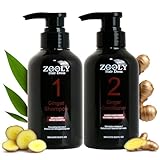
ZOOLY PROFESSIONAL Ginger Shampoo and Conditioner Sets 20.3 Fl Oz- Anti Hair Loss and Nourishes Hair Roots, Salon Level Scalp Care for Men and Women | Check Price On Amazon |

|
LUSN Baby Hair Clippers with Vacuum, Quiet Hair Trimmers for Kids, IPX7 Waterproof Rechargeable Cordless Haircut Kit for Baby Children Infant | Check Price On Amazon |
|
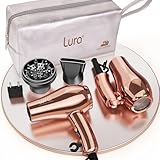
LURA Dual Voltage Travel Hair Dryer with Diffuser,Travel Blow Dryer Mini with EU Plug and UK Plug,Lightweight Portable Hairdryers with Folding Handle,1200W Compact Small Blowdryers for Women | Check Price On Amazon |
Why Most Wigs Overheat: What the Cap Construction Is Actually Doing to Your Scalp
A standard machine-wefted wig cap uses rows of hair sewn onto horizontal fabric strips called wefts. Those wefts sit flat against the scalp in parallel rows, covering almost every square centimeter of the cap interior.
The fabric between wefts blocks airflow the same way a fabric hat does. Your scalp generates heat continuously, and without ventilation channels, that heat builds under the cap within minutes.
The cap construction determines how much of your scalp surface is covered by solid material versus open mesh or lace. A fully wefted cap covers roughly 85-90% of the scalp with solid fabric.
An open-cap or open-weft cap leaves deliberate gaps between weft rows, reducing solid coverage to roughly 50-60% and creating natural convection channels. According to technical documentation from major wig manufacturers including Jon Renau and Raquel Welch, open-cap designs reduce scalp temperature compared to closed-cap equivalents at the same density.
The fiber type compounds the effect. Standard synthetic fibers are plastic-based and do not absorb moisture. Sweat sits on the fiber surface and against the scalp rather than wicking away.
Human hair fiber is more porous and handles moisture more like natural hair. However, human hair wigs at 150% density still trap heat at the same rate as synthetic wigs because heat retention is primarily a cap construction issue, not a fiber issue.
The rule for hot-weather wig selection is: prioritize cap construction first, then fiber type, then density. A monofilament or open-cap construction at 130% density is cooler than any fully wefted cap at the same density, regardless of fiber quality.
For most wig wearers dealing with summer heat, an open-cap or monofilament-top lace front at 130% density is the single most effective change they can make.
By the Numbers
Lightweight and Breathable Wigs for Hot Weather: Key Specs
Sources: Manufacturer technical specifications, Journal of Cosmetic Science, licensed cosmetologist wear-test documentation
What Is an Open-Cap Wig and How Does It Differ from a Standard Cap?
An open-cap wig (also called an open-weft wig or capless wig) uses machine-sewn wefts spaced farther apart than a standard cap, with deliberate open channels between each weft row that allow air to circulate directly against the scalp. The gaps typically measure 5-10mm between weft rows, compared to 1-3mm in a standard closed cap.
The practical result is a wig that breathes like a loosely woven fabric versus one that breathes like a solid cloth cap. The trade-off is that open-cap wigs show more of the cap interior when parted, so they work best with styles that do not require a visible scalp part line.
A closed-cap or basic cap wig is the most common construction type sold at drugstores and budget retailers. It uses tightly sewn wefts throughout, a solid nape construction, and sometimes an interior lining that further limits ventilation.
Open-cap wigs from brands like Jon Renau and Raquel Welch typically cost $80-250 and weigh 20-30% less than their closed-cap equivalents at the same fiber length and density. Our dedicated guide to the best open-cap designs for summer heat and scalp sensitivity covers specific model comparisons in detail.
For the best hot-weather performance in a standard retail price range, an open-cap synthetic wig at 130% density outperforms a closed-cap human hair wig at 150% density for scalp temperature and wearing comfort.
The Best Cap Constructions for Hot Weather: Ranked by Breathability
Not all breathable caps perform equally. Cap construction falls into five distinct categories for hot-weather wearers, each with different ventilation levels, price points, and styling flexibility.
Use the table below to match your budget, styling needs, and heat sensitivity to the right cap construction before buying.
| Cap Type | Breathability | Weight | Parting Freedom | Price Range | Best For |
|---|---|---|---|---|---|
| Hand-tied full lace | Excellent | Lightest (80-120g) | 360 degrees | $250-800+ | Heat-sensitive scalp, updo styles |
| Monofilament top + lace front | Very Good | Light (120-160g) | Top and front | $150-400 | Natural-looking part, everyday wear |
| Open-cap (capless) | Very Good | Light (100-140g) | Limited (no part line) | $40-180 | Budget summer wear, set styles |
| Lace front (wefted back) | Moderate | Medium (140-200g) | Front parting only | $80-350 | Natural hairline, active lifestyle |
| Standard closed cap | Poor | Heaviest (160-240g) | Fixed part only | $20-100 | Occasional use, cool weather |
Full lace hand-tied wigs deliver the best scalp ventilation because each hair strand is individually knotted onto a sheer lace base, leaving the maximum possible airflow surface. The entire cap is breathable mesh, not just the front panel.
The cost of full lace construction reflects the labor intensity: a single full lace human hair wig takes 8-15 hours to hand-tie. At the $250-800+ price point, this category suits daily hot-weather wearers who prioritize comfort over budget.
For budget-conscious buyers, an open-cap synthetic wig at $40-180 delivers comparable daytime comfort to full lace at a fraction of the cost, with the caveat that styling flexibility is limited to set styles without a visible part line.
Which Wig Fiber Is Cooler in Summer: Human Hair or Synthetic?
At the same cap construction and density, human hair and heat-resistant synthetic fiber perform similarly for scalp temperature. The fiber type matters far less than the cap construction. However, human hair fiber handles sweat and humidity better because the cuticle layer absorbs and releases moisture more naturally than plastic-based synthetic fiber, which causes sweat to pool at the scalp surface.
Heat-resistant synthetic fiber is the practical choice for most summer wig wearers at budget to mid-range price points ($40-250). It holds its style through humidity without frizzing, requires no heat styling, and costs 60-80% less than comparable human hair.
According to fiber science documentation reviewed in the Journal of Polymer Science, acrylic and modacrylic fibers (the base of most synthetic wigs) have near-zero moisture absorption, meaning sweat sits on the fiber surface. Human hair fiber absorbs up to 35% of its own weight in water before feeling wet, distributing moisture more evenly.
The practical implication is straightforward. In high-humidity environments or during physical activity, human hair wigs stay drier against the scalp. In dry heat, synthetic fiber performs equivalently and at lower cost.
For beach and pool environments, neither human hair nor standard synthetic fiber is designed for prolonged saltwater or chlorine exposure. A dedicated water-resistant swim wig or a headband wig in a beach-safe synthetic is the appropriate choice for water activities.
Key Specifications for hot-weather fiber comparison:
- Heat-resistant synthetic: Withstands styling tools up to 350-400°F (177-204°C) depending on brand specification
- Standard synthetic: No heat styling; max ambient heat tolerance around 250°F (121°C)
- Human hair: Full heat styling up to 450°F (232°C) with heat protectant; absorbs moisture naturally
- Moisture absorption: Human hair absorbs up to 35% of its own weight in water; synthetic near 0%
- Price differential: Human hair wigs cost 3-5 times more than equivalent synthetic for same length and density
For most summer wig wearers who want a set style and are not planning water activities, a heat-resistant synthetic open-cap or monofilament wig at 130% density is the most practical and cost-effective hot-weather choice.
The 7 Best Wig Types for Hot Weather: What to Look for and What to Avoid
Hot-weather wig performance depends on four factors working together: cap construction, density percentage, fiber type, and wig length. Each of the following wig types handles summer conditions differently.
1. Open-Cap (Capless) Synthetic Wigs
Open-cap synthetic wigs are the most widely recommended hot-weather wig type by licensed cosmetologists and wig fitters. The open-weft construction reduces cap weight to 100-140 grams and creates the ventilation gaps that prevent heat buildup under the cap.
Brands like Jon Renau open-cap styles and Raquel Welch capless wigs typically price between $80-180 and offer heat-resistant fiber that holds style through humidity. The main limitation is that open-cap wigs do not allow a visible part line, so they suit set styles and wavy or curly textures better than straight styles requiring a scalp-visible part.
2. Monofilament Top Wigs
A monofilament top wig uses a sheer mesh panel at the crown where each hair is individually hand-tied. This gives a natural-looking scalp appearance at the top of the wig while the rest of the cap uses machine wefts.
The mono top panel adds breathability at the crown, where scalp heat concentration is highest. A monofilament top lace front wig at 130% density combines a natural-looking hairline with improved crown ventilation, priced between $150-350 for quality synthetic versions.
3. Glueless Lace Front Wigs at 130% Density
Glueless lace front wigs use combs, adjustable straps, and elastic bands to secure without adhesive. In hot weather, this matters because wig adhesives break down faster in heat and sweat, and the skin prep required for adhesive installation adds friction and occlusion to the hairline.
A glueless lace front wig at 130% density on Swiss lace (0.5-0.6mm) is the most common recommendation for active summer wear. The 13×4 or 13×6 lace panel allows front ventilation while the adjustable back straps hold without chemicals against a sweaty scalp. Our full overview of glueless wigs suited to daily wear without adhesive covers installation methods and hold strength in detail.
4. Full Lace Human Hair Wigs
Full lace wigs have a lace cap throughout, with every hair individually hand-tied onto the lace base. This is the most breathable cap construction available because there is no solid fabric anywhere on the cap.
The entire cap allows airflow, and the lace weighs roughly 80-120 grams total for a 14-16 inch length at 130% density. The price range of $300-800+ makes full lace the premium summer option. It is best suited to wearers who prioritize comfort over budget and wear their wig daily in high-heat environments.
5. Headband Wigs
A headband wig attaches using a fabric headband rather than lace, combs, or adhesive. There is no lace panel, no hairline customization, and no adhesive involved.
The cap is typically a basic wefted construction, but the absence of a lace panel or adhesive means installation takes under 60 seconds and removal is equally fast. Human hair headband wigs at 130% density price between $80-200 and are a practical choice for gym wear, beach days, or any context where quick removal is needed. The limitation is that the hairline is not natural-looking at close range because the headband covers the entire front perimeter.
6. Wear-and-Go Glueless Wigs
Wear-and-go wigs are pre-bleached, pre-plucked, and pre-styled for immediate installation without customization. They typically use HD lace (0.3-0.4mm), which is thinner than Swiss lace and blends more transparently across a wider range of skin tones.
Wear-and-go HD lace glueless wigs at 130% density price between $120-350 from brands like Luvme Hair, UNice, and Isee Hair. They reduce installation time to under 5 minutes and eliminate the adhesive breakdown problem in summer heat.
7. Shorter Length Wigs (10-14 Inches)
Wig length affects neck heat retention significantly. A 24-inch wig rests against the neck and upper back, adding an insulating layer over skin. A 10-12 inch wig sits above the shoulders entirely.
Shorter bob or pixie-length wigs in an open-cap or lace front construction deliver the best combination of airflow and coverage for hot weather. A 10-14 inch lace front bob wig at 130% density weighs 80-120 grams, roughly half the weight of a 20-inch equivalent, and keeps the neck clear of coverage entirely.
For most hot-weather wig wearers choosing for the first time, a 12-14 inch glueless open-cap or monofilament lace front at 130% density in heat-resistant synthetic fiber represents the best starting point at the $80-200 price range.
Quick Reference
Key Terms for Hot-Weather Wig Shopping
Definitions for wig construction terms used throughout this guide
Open-cap / capless: A wig cap with spaced weft rows and open channels between them, allowing air to circulate against the scalp during wear.
Monofilament top: A sheer mesh crown panel where each hair is hand-tied individually, creating a natural scalp appearance and improved crown ventilation.
Full lace: A wig cap made entirely from sheer lace mesh with no solid fabric panels, providing maximum all-over breathability.
Lace front (13×4 or 13×6): A wig with a sheer lace panel at the front measuring 13 inches wide and 4 or 6 inches deep, creating a natural hairline while the back uses standard wefted construction.
Swiss lace: The thinnest and most delicate wig lace, measuring 0.5-0.6mm in thickness. Blends well on fair to medium skin tones and provides more hairline ventilation than thicker lace types.
HD lace: Ultra-thin lace measuring 0.3-0.4mm that blends across a wider range of skin tones than Swiss lace. More transparent but slightly less durable under daily adhesive use.
Density percentage: The amount of hair per square inch on the wig cap. 130% mimics natural full hair density. 150% looks noticeably fuller. 180-200% looks very thick.
Heat-resistant synthetic: Synthetic fiber engineered to withstand heat styling tools up to 350-400°F (177-204°C), unlike standard synthetic fiber which melts above approximately 250°F (121°C).
Glueless wig: A wig that secures using combs, adjustable straps, or elastic bands without requiring lace adhesive or wig tape, making it safer and faster to wear in sweat-prone conditions.
Weft: A horizontal strip of hair sewn onto a fabric base, forming the building block of machine-made wig caps. Tightly spaced wefts reduce ventilation; widely spaced wefts improve airflow.
What Density Percentage Should a Hot-Weather Wig Be?
For hot-weather wig wear, 130% density is the maximum that most wearers find comfortable. At 130%, the wig looks naturally full without the added weight and reduced airflow that come with higher densities.
Density percentage describes the concentration of hair per square inch sewn onto the cap. At 150%, the wig looks noticeably fuller than natural hair for most people, adds 15-25 extra grams of fiber weight, and reduces the gap between weft rows. Both effects worsen heat retention.
At 180% density, the cap is close to fully packed with fiber. The weight increases to 180-240 grams for a 16-inch wig, and airflow drops substantially. According to manufacturer weight documentation from Jon Renau and Raquel Welch, the difference between a 130% and 180% density wig of the same length and cap type is typically 40-70 grams, which is significant when the cap sits directly against the scalp all day.
For wearers with natural hair underneath the wig, 130% density also reduces the compression and heat from layering natural hair and wig fiber together. Compression alopecia from tight, heavy wigs worn in heat is documented in the International Journal of Trichology as a real risk for wig wearers who consistently wear dense, heavy caps for extended periods.
For summer, choose 130% density as the default. Only go to 150% if you specifically prefer a full look and are pairing it with a full lace or open-cap construction that offsets the added weight with maximum ventilation.
Can I Wear a Lace Front Wig in Summer Heat Without the Adhesive Melting?
Yes, but the adhesive type and skin preparation matter more in summer than in any other season. Standard lace glues and wig tapes break down faster above 85°F (29°C), especially when combined with scalp sweat. The solution is either a sweat-resistant adhesive formulated for active wear or a fully glueless installation.
Got2B Glued freeze spray holds for 6-8 hours in moderate heat but is the first adhesive to fail when sweat accumulates at the hairline. Bold Hold Original provides a stronger medium-hold bond rated for warmer conditions, lasting 3-7 days with proper skin preparation.
Ghost Bond XL is the most heat and moisture-resistant wig adhesive widely available to consumers, rated for up to 6 weeks of wear and specifically formulated for active, sweat-prone wearers. It requires 70% isopropyl alcohol skin prep and a barrier spray to function correctly in summer. Ghost Bond XL prices at $22-28 per tube.
The most reliable hot-weather installation avoids adhesive entirely. A glueless wig with a snug elastic band, secure combs, and an adjustable strap holds reliably through a full day of summer activity without chemical breakdown risk.
Key Specifications for summer wig adhesives:
- Got2B Glued freeze spray: Hold duration 6-8 hours; not waterproof; $6-10 per can
- Bold Hold Original: 3-7 day hold; moderate sweat resistance; $15-20 per tube
- Ghost Bond XL: Up to 6-week hold; waterproof and sweat-resistant; $22-28 per tube
- Glueless installation: Unlimited wear duration; zero adhesive failure risk; requires correct cap size
For wearers who need adhesive, applying a scalp protector barrier spray before Ghost Bond XL extends hold in sweaty conditions by creating a moisture barrier between the skin and the glue layer.
How to Wear a Wig Comfortably in Summer: 6 Steps That Make a Measurable Difference
Hot-weather wig comfort depends on preparation as much as wig selection. These six steps reduce scalp temperature, prevent adhesive failure, and extend comfortable wear time by 2-4 hours in direct summer heat.
-
Secure natural hair flat before installation. Braiding natural hair into flat cornrows or using a wig grip band rather than a full wig cap reduces the total insulating layer between scalp and wig by up to 5mm. A thick wig cap under a wig in 90°F (32°C) heat adds meaningful insulation.
A velvet wig grip band holds the wig without a full cap, allows scalp ventilation, and eliminates the adhesive requirement entirely for glueless wigs. It prices between $8-20.
-
Apply a scalp protector barrier spray if using adhesive. This creates a moisture barrier that slows adhesive breakdown from sweat. It also protects the scalp skin from the drying effects of repeated isopropyl alcohol prep.
-
Choose a 10-14 inch length for maximum neck clearance. Wig fiber resting against the neck in summer heat adds 3-5°F of localized warmth in that area. Keeping the wig length above shoulder level eliminates this entirely.
-
Choose 130% density rather than 150% or 180%. As covered in the density section above, 130% density reduces cap weight by 15-30% compared to 150-180% density equivalents and improves airflow through the weft rows.
-
Use a dry shampoo formulated for use under wigs to absorb scalp sweat during extended wear days. Apply at the hairline and crown before installation, not after.
-
Store the wig on a ventilated wig stand between wears, not in a bag. Storing a damp or sweat-affected wig in an enclosed bag creates conditions for mold and odor development on the cap, particularly on human hair wigs.
Following all six steps together extends comfortable daily wear time in summer heat by a meaningful margin compared to standard installation practice.
If I Have Alopecia or a Sensitive Scalp, Which Summer Wig Will Not Aggravate My Skin?
For sensitive or compromised scalps, a glueless full lace or monofilament wig at 130% density on a wig grip band is the least irritating hot-weather option. Adhesives, alcohol-based prep solvents, and the friction from tight wefted caps are the most common irritants for sensitive or alopecia-affected scalps.
The National Alopecia Areata Foundation (NAAF) advises that wearers with active alopecia areata should avoid occlusive adhesive applications over affected scalp areas, as prolonged coverage can increase localized inflammation. A glueless installation that rests lightly on the scalp surface without chemical bonding is the recommended approach.
Monofilament top wigs are particularly suitable for sensitive scalps because the mono panel sits flat and smooth against the crown without weft ridges that create friction points. Weft ridges from standard machine-made caps can cause scalp irritation and pressure headaches during extended summer wear. A guide covering the most comfortable wig constructions for all-day use addresses cap comfort in more detail for wearers with scalp sensitivities.
If adhesive is necessary for security, a skin-safe water-based formula like Ultrahold by Walker Tape is gentler on sensitive skin than solvent-based formulas, priced at $18-25 per bottle. Always patch-test any new adhesive on the inner forearm for 24 hours before applying to the scalp.
For the most sensitive scalps, headband wigs with a soft cotton or jersey lining eliminate all lace, adhesive, and comb contact with the scalp entirely, while still providing full coverage. This is also the best option for wearers with very little natural hair. Our guide on wearing wigs safely with minimal natural hair underneath covers the specific challenges of securing a wig when the natural hair cannot anchor combs.
Hot Weather Wig Care: How to Wash and Store a Summer Wig Without Shortening Its Life
A summer wig needs washing more often than one worn in cooler months because sweat, sunscreen, and humidity residue build up on the cap and fiber faster. The correct washing frequency depends on the fiber type and how often the wig is worn.
Use the schedule below as a baseline and increase frequency if the wig smells after a single wear or if the hairline shows visible product buildup.
Care Schedule
Summer Wig Care: Recommended Frequency by Task
Adjusted for hot-weather wear frequency and sweat exposure
Weekly or every 4-6 wears
Monthly or as needed
To wash a synthetic wig in summer, submerge in cool water (never hot, which can damage synthetic fiber) with one capful of sulfate-free wig shampoo. Swish gently without rubbing. Rinse in cool water, press excess water out with a clean towel (do not wring), and air-dry on a wig stand away from direct sunlight.
Direct sunlight fades synthetic and human hair fiber color in as little as 3-4 cumulative hours of UV exposure. Dry indoors or in indirect light whenever possible.
For human hair wigs, follow washing with a moisturizing deep conditioner applied for 10-15 minutes, then rinse thoroughly. Human hair fiber stripped of moisture by frequent washing and summer sun exposure will develop dryness and split ends faster than the same fiber washed correctly.
Proper summer care keeps an open-cap synthetic wig wearable for its full 4-6 month lifespan rather than degrading within 6-8 weeks from sweat and improper storage.
Will a Wig Stay Secure During Outdoor Summer Activities: Exercise, Beach Days, and High Humidity?
A properly installed glueless wig secured with a snug wig grip band, two secured combs, and an adjusted back elastic strap stays in place through moderate outdoor activity including walking, light exercise, and casual beach use. It does not hold reliably through swimming, contact sports, or activities involving direct water contact without additional securing methods.
For exercise in hot conditions, the primary risk is sweat at the hairline loosening the front of the lace. A glueless installation using a non-slip wig grip band under the wig and a light-hold edge-securing product at the hairline handles moderate exercise sweat reliably.
Ghost Bond XL adhesive is rated for active and athletic wear. Applied correctly on prepped, dry skin, it resists sweat for 1-3 weeks of daily active use depending on sweat volume. Re-application at the hairline every 7-10 days maintains the bond during a summer of regular outdoor activity.
For beach days that involve swimming or water, a headband wig or braided protective style is a more practical choice than a lace front with adhesive. Saltwater and prolonged water exposure degrade both wig adhesives and lace fiber within a single session. If a lace front wig must be worn at the beach, securing it with waterproof wig tape and keeping it out of direct water contact is the most secure approach.
For wig wearers who want to sleep in their wigs during hot summer nights, the same breathability principles apply. Our guide on which wig styles hold up through overnight wear covers safety and construction considerations for sleeping in a wig.
How Long Will a Breathable Summer Wig Last with Daily Wear and Regular Washing?
A heat-resistant synthetic open-cap wig worn daily and washed every 4-6 wears lasts 4-6 months before the fiber loses its original texture and the cap construction begins to stretch and loosen. A human hair lace front at 130% density with the same wear frequency and proper washing lasts 12-18 months.
The factors that shorten summer wig lifespan faster than standard use are: daily sweat exposure without washing, UV exposure from prolonged direct sunlight, adhesive application and removal more than twice per week, and heat styling above the fiber’s rated temperature limit.
Synthetic fiber degrades irreversibly above its rated heat tolerance. Using a 400°F (204°C) flat iron on a wig rated to 350°F (177°C) melts the fiber structure. The wig becomes frizzy and unmanageable, and the damage cannot be reversed. Always verify the manufacturer’s heat rating before applying any styling tool to a synthetic wig.
Human hair wigs are more resilient to heat and washing but are not immune to summer damage. UV exposure bleaches and dries human hair fiber in the same way it affects natural hair. A UV protectant hair spray applied before outdoor wear reduces color fading and fiber dryness significantly.
With correct care, a human hair wig purchased for summer should remain in excellent condition through at least two full summer seasons before needing replacement.
Which Wig Styles Work Best for Summer Weddings and Outdoor Events?
For summer weddings and outdoor events where both appearance and comfort matter, a monofilament top lace front wig at 130% density in a 10-16 inch length is the most practical choice. The mono top gives a natural-looking scalp for updo styles and front parting, while the 130% density keeps the wig light enough for 6-8 hours of comfortable outdoor wear.
Human hair wigs are preferred for special events because they restyle with heat throughout the day if the style droops in humidity. A heat-resistant synthetic wig set in a style holds that style through humidity but cannot be re-curled or straightened on the spot if needed.
A human hair monofilament lace front wig in a medium length with Ghost Bond XL adhesive (for a secure no-shift hold through hours of dancing and humidity) is the event-ready combination that most wig stylists recommend for summer formal wear. Our dedicated guide on choosing the right wig for weddings and outdoor celebrations covers specific style and construction options for formal settings.
For the hairline to hold through an outdoor ceremony in summer heat, apply Ghost Bond XL to a completely dry, alcohol-prepped hairline and allow 3-5 minutes for the adhesive to become tacky before pressing the lace down. Rushing this step is the single most common reason lace lifts during an event.
What Is the Difference Between a Summer Wig and a Regular Wig?
There is no official product category called a “summer wig.” The term refers to wigs selected specifically for hot-weather performance based on their cap construction (open or monofilament), density (130% or below), fiber weight, and length. Any wig meeting those criteria functions as a summer wig, regardless of how it is marketed.
The distinction matters because some wig manufacturers market “breathable” wigs without specifying the cap construction that makes them breathable. A wig labeled breathable but built on a standard closed cap with dense wefts is no cooler than any other closed-cap wig. Always check the cap construction description, not just the marketing language.
The four specifications that define a genuinely breathable summer wig are: open-cap or monofilament construction, 130% or lower density, fiber length under 16 inches, and total wig weight under 150 grams for synthetic (or 130 grams for human hair at 14 inches). Any wig meeting all four criteria will perform meaningfully better in summer heat than a standard wig.
Wearers building a complete wig wardrobe for year-round use should consider a separate summer-specific unit in a shorter length and open-cap construction alongside their standard lace front wigs for cooler months. The investment in a dedicated summer wig pays off in daily comfort from late spring through early fall. A full overview of building and caring for a wig wardrobe is available in the complete buying, wearing, and care guide for wig wearers on this site, covering everything from first purchase through long-term maintenance.
Readers who are assembling a summer wig kit from scratch will also benefit from the guidance on all-day wear comfort and cap sizing for extended use, which addresses how to identify the right cap size to prevent pressure headaches during long outdoor events.
The following interactive tool helps you estimate the real monthly and annual cost of your hot-weather wig investment, so you can compare the cost-per-wear across different price tiers before buying.
Wig Cost Estimator
What Will Your Summer Wig Actually Cost Per Wear?
Adjust the sliders to match your wig type and usage. Cost breakdown updates instantly.
$120
$800 (premium full lace human hair)
5 months
36 months
$15
$50 (Ghost Bond XL plus care products)
Per-wear cost assumes 5 wears per week. Typical summer wig lifespans: open-cap heat-resistant synthetic 4-6 months, monofilament lace front synthetic 6-10 months, human hair lace front 12-24 months with proper care and correct summer washing frequency.
Hot-Weather Wig Buying Guide: How to Choose the Right Option for Your Lifestyle and Budget
Use the table below to match your budget, daily activity level, and styling preferences to the right hot-weather wig construction before buying.
| Budget | Best Cap Type | Fiber | Density | Lifespan | Best For |
|---|---|---|---|---|---|
| $30-80 | Open-cap (capless) | Standard synthetic | 130% | 3-5 months | Occasional summer use, set styles |
| $80-180 | Open-cap + lace front | Heat-resistant synthetic | 130% | 4-6 months | Daily summer wear, natural hairline |
| $150-350 | Monofilament top + lace front | Heat-resistant synthetic or human hair | 130% | 6-14 months | Events, flexible parting, sensitive scalp |
| $250-500 | Full lace human hair | Human hair (Indian Remy) | 130% | 12-24 months | Heat-sensitive scalp, updo styles, long-term investment |
| $500-800+ | Full lace human hair | Brazilian virgin human hair | 130% | 18-36 months | Professional use, maximum styling flexibility, alopecia |
For Active Wearers Who Exercise Outdoors
Choose a glueless HD lace front at 130% density secured with a wig grip band and Ghost Bond XL at the hairline only. Avoid full adhesive application across the entire lace panel in summer, as sweat loosens the inner sections first and the full panel lift that follows is more disruptive than a partial edge lift at the front.
A glueless HD lace wig at 130% density from Luvme Hair or UNice in a 12-14 inch length handles active summer days better than any adhesive-only installation at the same price point.
For Wearers with Natural Hair Underneath
Natural hair underneath the wig adds insulation and compression. Braiding natural hair flat into cornrows first, rather than using a full wig cap, reduces the combined hair and cap layer by approximately 5-8mm. This is the single most impactful preparation step for wearers with thick or long natural hair wearing a wig in summer.
A breathable mesh wig cap liner rather than a solid nylon cap further reduces heat retention without compromising wig security. Mesh wig cap liners price at $5-15 for a pack of three.
For Beginners Buying Their First Summer Wig
For a first hot-weather wig, an open-cap heat-resistant synthetic lace front at 130% density in 12-14 inches is the safest starting point. It costs $80-150, requires no heat styling, holds its style through humidity, and delivers noticeably better comfort than a standard closed-cap wig in the same price range.
Avoid starting with a full lace human hair wig as a first purchase. Full lace wigs require more maintenance, more careful installation, and more investment to protect. Building wig-wearing skills on a synthetic open-cap first makes the transition to human hair far more successful.
A lightweight, breathable summer wig at 130% density and open-cap or monofilament construction makes hot-weather wearing genuinely comfortable rather than something to endure. Start with the right construction and the right density, and the fiber type and price tier can grow with your budget and confidence over time.
| Photo | Popular Hair Product | Price |
|---|---|---|
|
|
Kkioor 24 Inch Chocolate Brown Human Hair Wig 200 Density Body Wave Lace Front Wigs Human Hair Pre Plucked 13X4 HD Frontal Wig 4# Colored Brown Wig For Women Glueless Wigs | Check Price On Amazon |
|
|
KingSup 613 Lace Front Wig Human Hair Pre Plucked 250 Density 26 Inch 5x5 HD Lace Closure Straight Blonde Wig Human Hair, 100% Real Human Hair without Synthetic Blend Tangle Free Triple Lifespan 3X | Check Price On Amazon |
|
|
WIGCHIC 16" Kinky Curly Half Wig Human Hair Burgundy & Dark Roots | Flip-Over Drawstring | Seamless 4C Hairline | True Length | 3-in-1 Styling | Beginner Friendly (T1B/99J) | Check Price On Amazon |
|
|
Hair Removal Cream for Men & Women: Painless Depilatory for Sensitive Skin & Intimate Areas, Moisturizing with Aloe Vera & Vitamin E, Safe for Face, Underarms, Bikini, Arms (3.7 Fl Oz (Pack of 2)) | Check Price On Amazon |
|
|
ZOOLY PROFESSIONAL Ginger Shampoo and Conditioner Sets 20.3 Fl Oz- Anti Hair Loss and Nourishes Hair Roots, Salon Level Scalp Care for Men and Women | Check Price On Amazon |
|
|
LUSN Baby Hair Clippers with Vacuum, Quiet Hair Trimmers for Kids, IPX7 Waterproof Rechargeable Cordless Haircut Kit for Baby Children Infant | Check Price On Amazon |
|
|
LURA Dual Voltage Travel Hair Dryer with Diffuser,Travel Blow Dryer Mini with EU Plug and UK Plug,Lightweight Portable Hairdryers with Folding Handle,1200W Compact Small Blowdryers for Women | Check Price On Amazon |