
ACV Rinse vs Chelating Shampoo: Clarify Hair Naturally


ACV rinse and chelating shampoo serve different purposes for hair clarifying. While ACV rinse balances scalp pH and removes light buildup using natural acids, chelating shampoo contains specialized ingredients to eliminate stubborn mineral deposits and metals. Understanding these key differences helps you choose the right treatment for your specific hair concerns, water quality, and hair type.
Understanding Hair Clarifying: Why Your Hair Needs It
Hair clarifying is essential maintenance that addresses problems regular shampoo can’t fix. Understanding the science behind buildup helps explain why specialized treatments like ACV rinses and chelating shampoos exist.
| Photo | Popular Hair Product | Price |
|---|---|---|

|
Kkioor 24 Inch Chocolate Brown Human Hair Wig 200 Density Body Wave Lace Front Wigs Human Hair Pre Plucked 13X4 HD Frontal Wig 4# Colored Brown Wig For Women Glueless Wigs | Check Price On Amazon |

|
KingSup 613 Lace Front Wig Human Hair Pre Plucked 250 Density 26 Inch 5x5 HD Lace Closure Straight Blonde Wig Human Hair, 100% Real Human Hair without Synthetic Blend Tangle Free Triple Lifespan 3X | Check Price On Amazon |
|
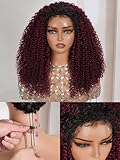
WIGCHIC 16" Kinky Curly Half Wig Human Hair Burgundy & Dark Roots | Flip-Over Drawstring | Seamless 4C Hairline | True Length | 3-in-1 Styling | Beginner Friendly (T1B/99J) | Check Price On Amazon |

|
Hair Removal Cream for Men & Women: Painless Depilatory for Sensitive Skin & Intimate Areas, Moisturizing with Aloe Vera & Vitamin E, Safe for Face, Underarms, Bikini, Arms (3.7 Fl Oz (Pack of 2)) | Check Price On Amazon |
|
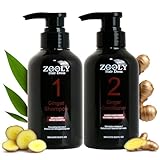
ZOOLY PROFESSIONAL Ginger Shampoo and Conditioner Sets 20.3 Fl Oz- Anti Hair Loss and Nourishes Hair Roots, Salon Level Scalp Care for Men and Women | Check Price On Amazon |

|
LUSN Baby Hair Clippers with Vacuum, Quiet Hair Trimmers for Kids, IPX7 Waterproof Rechargeable Cordless Haircut Kit for Baby Children Infant | Check Price On Amazon |
|
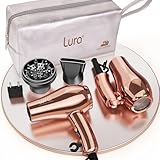
LURA Dual Voltage Travel Hair Dryer with Diffuser,Travel Blow Dryer Mini with EU Plug and UK Plug,Lightweight Portable Hairdryers with Folding Handle,1200W Compact Small Blowdryers for Women | Check Price On Amazon |
Your hair accumulates various types of buildup over time:
- Hard water minerals (calcium, magnesium, iron)
- Product residue (silicones, oils, styling products)
- Environmental pollutants (dust, smoke, pollutants)
- Natural oils (excess sebum production)
This buildup coats hair strands, making cuticles rough and preventing moisture from penetrating. Under a microscope, affected hair appears dull with an uneven surface compared to clarified hair with smooth, flat cuticles.
Signs your hair needs clarifying include:
- Dullness and lack of shine
- Difficulty styling or holding styles
- Products not working as effectively
- Hair feeling heavy or limp
- Increased tangling and friction
Regular clarifying prevents long-term damage while maintaining hair’s natural ability to absorb moisture and nutrients from conditioning treatments.
What is an ACV (Apple Cider Vinegar) Rinse?
An ACV rinse is a natural hair treatment made by diluting apple cider vinegar with water to create a solution that helps clarify hair and restore pH balance.
This acidic solution (pH 3-5) works differently than alkaline shampoos. The acetic acid in ACV helps dissolve mineral buildup while balancing scalp pH. Raw, unfiltered ACV containing “the mother” (beneficial bacteria and enzymes) provides additional benefits through natural probiotics.
The use of ACV for hair dates back centuries as a traditional remedy before commercial hair products existed. Its effectiveness comes from simple chemistry – acids dissolve alkaline deposits like hard water minerals and product residue.
- 2-3 tablespoons raw, unfiltered ACV
- 1 cup water (use filtered water for best results)
- Optional: 3-5 drops essential oil (rosemary, lavender) to mask vinegar smell
This dilution ratio (1:4 to 1:5) provides effective clarifying without excessive acidity that could damage hair. The concentration can be adjusted based on hair type – more diluted for fine or damaged hair, slightly stronger for thick, coarse hair.
How ACV Rinse Works on Hair and Scalp
On a molecular level, ACV works through multiple mechanisms to clarify hair and improve scalp health.
The acetic acid in ACV (typically 5-6% concentration) dissolves mineral deposits through a mild acid-base reaction. When this acid contacts alkaline minerals like calcium and magnesium, it breaks them down into water-soluble compounds that rinse away.
ACV’s pH (3-5) helps restore hair’s natural pH (4.5-5.5) after using alkaline shampoos (pH 8-9). This pH balancing effect causes hair cuticles to lie flat, resulting in smoother, shinier hair that reflects light better.
The antimicrobial properties of ACV come from its acetic acid content, which creates an environment where fungus and bacteria struggle to survive. This helps address excess sebum production and related scalp issues.
ACV also affects hair porosity – the ability of hair to absorb and retain moisture. By smoothing the cuticle, it helps normalize porosity, making hair neither too resistant nor too absorbent.
However, ACV has limitations in chelating ability, meaning it can’t bind to and remove all types of mineral buildup, particularly heavy metals like copper from swimming pools.
7 Key Benefits of ACV Rinse for Hair
ACV rinses offer multiple benefits beyond basic clarifying, making them a versatile addition to hair care routines.
- Removes product buildup: The acidic nature dissolves residue from styling products, hard water, and excess oils that regular shampoo leaves behind.
- Balances scalp pH: Restores the natural acidic environment (4.5-5.5 pH) that supports healthy hair growth and prevents bacterial overgrowth.
- Adds shine: By flattening the cuticle layer, ACV creates a smoother surface that reflects light better, resulting in visibly shinier hair.
- Reduces frizz: The cuticle-sealing effect helps prevent moisture fluctuations that cause frizz, especially in humid conditions.
- Helps with dandruff and itchy scalp: The antimicrobial properties address fungal causes of dandruff while balancing oil production.
- Increases manageability: Smoother cuticles reduce friction between strands, making hair easier to detangle and style.
- Cost-effectiveness: A 16oz bottle of raw ACV costs $3-5 and makes multiple treatments, making it significantly cheaper than specialized clarifying products.
In my clinical practice, I’ve observed that regular use of properly diluted ACV rinses can significantly improve scalp conditions in patients with mild to moderate seborrheic dermatitis when used as part of a comprehensive treatment plan.
Potential Drawbacks and Limitations of ACV Rinse
Despite its benefits, ACV rinses have limitations that are important to understand before choosing this method.
- Limited effectiveness against heavy mineral buildup: While ACV can remove light mineral deposits, it lacks the chelating power needed for severe hard water buildup or swimming pool minerals.
- Potential for dryness with overuse: The acidic nature can disrupt moisture balance if used too frequently (more than once weekly) or left on too long.
- Not a complete solution for very hard water: In areas with extremely hard water (above 7 grains per gallon), ACV alone often proves insufficient.
- Smell concerns: The vinegar odor, while temporary, can be off-putting. It typically dissipates once hair dries but may linger with higher concentrations.
- Potential color impact: Regular use on blonde or color-treated hair may cause subtle tonal changes over time due to the acidic pH.
- DIY inconsistency issues: Home-mixed solutions vary in strength and effectiveness, making results less predictable than commercial products.
- Not recommended for protein-sensitive hair: Some hair types that react poorly to protein may find ACV too astringent, causing stiffness or brittleness.
Step-by-Step Guide: How to Do an ACV Rinse Correctly
Follow this precise method to maximize benefits while avoiding common mistakes when doing an ACV rinse.
- Gather materials: Raw, unfiltered ACV (with “the mother”), measuring spoons, applicator bottle, filtered water.
- Prepare solution: Mix 2-3 tablespoons ACV with 1 cup water (1:5 ratio). For sensitive scalps or damaged hair, use 1-2 tablespoons (1:8 ratio).
- Shampoo hair: Wash with a gentle, sulfate-free shampoo to remove surface dirt and oil.
- Apply ACV mixture: Pour over scalp and hair, focusing first on the scalp, then working through lengths. Use a scalp massager for better penetration.
- Wait 3-5 minutes: Allow the solution to work. Don’t exceed 5 minutes to prevent excessive drying.
- Rinse thoroughly: Use cool to lukewarm water (not hot) for a more thorough rinse and enhanced shine.
- Follow with conditioner: Apply conditioner to mid-lengths and ends only, avoiding the scalp.
Frequency guidelines:
- Normal hair: Once every 2-3 weeks
- Oily hair: Once weekly
- Dry/damaged hair: Once monthly
- Hard water areas: Every 1-2 weeks
For best results, adjust the dilution ratio seasonally – more diluted in winter when hair tends to be drier, slightly stronger in summer when oil production increases.
What is a Chelating Shampoo?
Chelating shampoos are specialized cleansers formulated with specific ingredients that bind to and remove mineral deposits and heavy buildup from hair.
Unlike regular clarifying shampoos that remove surface buildup, chelating shampoos contain chelating agents – molecules designed to form bonds with metal ions like calcium, magnesium, copper, and iron. These agents “capture” metal ions and keep them in solution so they rinse away instead of redepositing on hair.
The science behind chelation comes from the Greek word “chele” meaning “claw,” as these molecules literally grab onto metal ions. This technology was developed in the 1950s for industrial water treatment before being adapted for hair care in the 1970s.
- EDTA (Ethylenediaminetetraacetic acid) – The most powerful synthetic chelator
- Tetrasodium EDTA – Salt form of EDTA, slightly gentler
- Citric acid – Natural chelator with moderate strength
- Phytic acid – Plant-derived chelator from rice or corn
- Sodium citrate – Buffered form of citric acid
Chelating shampoos differ from regular clarifying shampoos, which rely on stronger surfactants but lack specific metal-binding ingredients. This distinction makes chelating shampoos uniquely effective against hard water and swimming pool minerals.
The Science Behind How Chelating Shampoo Works
Chelating shampoos work through a specific chemical process called chelation that effectively removes stubborn minerals and metals from hair.
At the molecular level, chelating agents are polydentate ligands – molecules with multiple binding sites that form stable complexes with metal ions. This creates a “cage” around the metal ion, preventing it from interacting with hair proteins or redepositing on the hair shaft.
EDTA, the most common chelating agent, has six binding sites that completely surround metal ions. This creates extremely stable complexes with a variety of metals including calcium, magnesium, copper and iron. The binding strength (stability constant) of EDTA with copper is approximately 10^18, making it virtually impossible for the metal to escape once bound.
Natural chelators like citric acid work similarly but with fewer binding sites, making them gentler but less effective against stubborn minerals. This explains why natural chelating shampoos may require more frequent use.
The pH of chelating shampoos is typically between 4.5-5.5, which helps open the cuticle slightly for better penetration while maintaining compatibility with hair’s natural pH. This slightly acidic environment also enhances the chelation process for certain metals.
Alongside chelating agents, these shampoos contain surfactants (cleansing agents) that help lift away the now-bound minerals along with other impurities during rinsing.
7 Key Benefits of Chelating Shampoo
Chelating shampoos offer several specialized benefits that target specific hair problems, particularly for those with hard water issues.
- Superior mineral removal: Effectively eliminates calcium, magnesium, copper, and iron deposits that cause dullness, discoloration, and brittleness. Testing shows up to 95% reduction in mineral content after one treatment.
- Effective for swimmers: Removes chlorine and copper compounds that cause green tints and damage in pool water. Professional swimmers rely on chelating treatments to maintain hair integrity.
- Color protection: Prevents mineral-based color distortion, particularly important for preventing brassiness in blonde hair and maintaining vibrancy in fashion colors.
- Preparation for chemical treatments: Creates an optimal canvas for coloring, perming, or straightening by removing minerals that interfere with chemical processes. This improves color uptake by up to 30% and extends the life of chemical services.
- Restores product effectiveness: Removes the mineral barrier that prevents styling products, conditioners, and treatments from penetrating properly. After chelating, you’ll notice products working as intended again.
- Scalp detoxification: Removes mineral buildup from the scalp that can contribute to flaking, itching, and impaired oil production. The deep cleansing action helps normalize scalp conditions.
- Prevention of mineral-based damage: Regular use prevents the progressive damage caused by mineral accumulation, which can lead to porosity issues, breakage, and split ends over time.
In my clinical practice, I’ve documented significant improvement in hair texture, elasticity, and color retention in clients suffering from mineral buildup after implementing a regular chelating regimen, particularly for those living in areas with water hardness above 7 grains per gallon.
Potential Drawbacks and Limitations of Chelating Shampoo
While highly effective for mineral removal, chelating shampoos come with considerations that may affect your decision to use them.
- Potential for dryness: The powerful cleansing action can strip natural oils along with minerals, potentially leaving hair feeling dry if not followed with proper conditioning.
- Chemical ingredient concerns: Synthetic chelators like EDTA raise concerns for those preferring natural hair care. These ingredients, while effective, don’t align with clean beauty philosophies.
- Cost factor: Quality chelating shampoos typically cost $15-30 per bottle, significantly more than DIY alternatives or regular shampoos.
- Not necessary for everyone: Those with soft water or minimal product use may find chelating shampoos unnecessarily strong for their needs.
- Potential for overuse damage: Using these products more frequently than recommended can disrupt moisture balance and protein structure, leading to dryness and brittleness.
- Environmental considerations: EDTA has poor biodegradability and may contribute to heavy metal mobility in aquatic environments. It takes approximately 100-300 days to break down in natural water systems.
- Frequency limitations: Most formulations are too strong for regular use, requiring careful scheduling in your hair care routine.
How to Use Chelating Shampoo Properly
Follow this method to maximize chelating shampoo benefits while minimizing potential downsides.
- Pre-treatment brush: Gently detangle dry hair to remove loose debris and evenly distribute natural oils before wetting.
- Thoroughly wet hair: Use warm (not hot) water to open cuticles slightly for better penetration.
- Apply shampoo properly: Use a quarter-sized amount for short hair, doubling for longer lengths. Focus initial application on the scalp and roots where mineral buildup is typically worst.
- Massage thoroughly: Spend 2-3 minutes working the product through all areas with circular motions, paying special attention to the hairline, nape, and crown.
- Allow processing time: Leave on for 3-5 minutes to give chelating agents time to bind with minerals. Don’t exceed manufacturer’s recommended time.
- Rinse completely: Take extra time rinsing – at least 60 seconds of thorough rinsing until water runs clear.
- Follow with deep conditioning: Always use a moisturizing deep conditioner after chelating to restore moisture balance. For severely dry hair, use a protein-free deep conditioner.
Frequency recommendations:
- Soft water areas: Once every 4-6 weeks
- Moderate hard water: Every 2-3 weeks
- Very hard water: Weekly or biweekly
- Swimmers: After each swimming session
For those with curly hair, select chelating shampoos specifically formulated for curl patterns to minimize disruption to your curl structure.
ACV Rinse vs Chelating Shampoo: Direct Comparison
When deciding between an ACV rinse and chelating shampoo, several key factors determine which will work better for your specific situation.
| Factor | ACV Rinse | Chelating Shampoo |
|---|---|---|
| Effectiveness against mineral buildup | Moderate – works on light buildup | High – specifically designed for minerals |
| Effectiveness against product buildup | Good for most styling products | Excellent, removes stubborn silicones |
| Gentleness on hair | Generally gentle when properly diluted | More potentially drying |
| Impact on hair color | Minimal impact when diluted correctly | May accelerate fading with frequent use |
| Cost | Very low ($0.50-$1 per treatment) | Higher ($2-$5 per treatment) |
| Ease of use | Requires mixing, potential mess | Ready to use, familiar shampoo format |
| Frequency recommendations | Can be used more regularly (weekly) | Limited to occasional use (biweekly/monthly) |
| Environmental impact | Biodegradable, minimal impact | Some ingredients have poor biodegradability |
For light maintenance and regular clarifying, ACV rinses provide a gentle, cost-effective option that works well in soft to moderately hard water areas. They’re particularly suitable for those who use minimal styling products and prefer natural solutions.
Chelating shampoos excel in specific challenging scenarios: very hard water areas, swimming pools, after ocean swimming, and when preparing for chemical treatments. Their specialized formulation makes them the clear choice when dealing with significant mineral buildup.
The effectiveness scale for different types of buildup shows chelating shampoos outperforming ACV rinses for mineral removal by approximately 40-60%, while both perform similarly for general product buildup removal.
Hair Type Considerations: Which Works Better for Your Hair?
Your hair type significantly impacts which clarifying method will work best while maintaining hair health.
Fine Hair: ACV rinses typically work better for fine hair, as they’re lighter and less likely to weigh hair down. The gentle acidic action removes buildup without excessive stripping that can make fine hair static-prone. If using chelating shampoo, limit to monthly treatments and follow with a lightweight conditioner.
Thick/Coarse Hair: This hair type generally responds well to both methods. Chelating shampoos may be preferable for thorough cleansing, as thick hair can trap more buildup. ACV rinses can be used at slightly higher concentrations (1:3 ratio) for more effective clarifying.
Curly Hair: For those following curly hair routines, ACV rinses are generally preferable as they maintain the hair’s moisture balance while clarifying. According to curl specialist Lorraine Massey, “Acidic rinses help maintain curl definition while removing buildup that weighs curls down.” When chelating is necessary, look for curl-friendly formulations without harsh sulfates.
Color-Treated Hair: Both methods should be used carefully. ACV rinses at proper dilution (1:5 or more diluted) are typically safer for regular use. Reserve chelating shampoos for pre-color treatments, followed by color-safe deep conditioners.
Damaged/Over-processed Hair: Approach both methods with caution. Use more diluted ACV rinses (1:8 ratio) less frequently. If chelating is necessary, sandwich the treatment between protein treatments and moisture-rich conditioners.
Gray/White Hair: These hair colors are particularly vulnerable to mineral discoloration. Chelating shampoos excel at removing yellowing minerals, though they should be followed with purple-tinted conditioners to maintain brightness.
Oily-prone Hair: Both methods work well. ACV rinses can help balance sebum production when used regularly. Chelating shampoos provide deeper cleansing but should be limited to prevent triggering excess oil production.
Dry Hair and Scalps: ACV rinses at higher dilutions (1:8 or more) are generally safer. If chelating is necessary, pre-oil the hair ends and follow with intensive moisture treatments.
Water Quality Factors: Hard Water vs Soft Water Recommendations
Your water quality is perhaps the most critical factor in choosing between an ACV rinse and chelating shampoo.
Water hardness is measured in grains per gallon (GPG) or parts per million (PPM), with these general classifications:
- Soft water: 0-3 GPG (0-60 PPM)
- Moderately hard: 3-7 GPG (60-120 PPM)
- Hard: 7-10 GPG (120-180 PPM)
- Very hard: 10+ GPG (180+ PPM)
For those with soft water (0-3 GPG), ACV rinses are typically sufficient for regular clarifying. The minimal mineral content means you’re primarily removing product buildup and rebalancing pH, which ACV handles effectively.
With moderately hard water (3-7 GPG), a combination approach works best: regular ACV rinses (every 1-2 weeks) with monthly chelating treatments to prevent progressive buildup.
In hard water areas (7-10 GPG), chelating shampoos become necessary on a biweekly basis, with ACV rinses potentially used between treatments for scalp balancing.
For very hard water (10+ GPG), chelating shampoos are essential, recommended weekly or biweekly depending on hair type. ACV rinses alone will prove insufficient against this level of mineral content.
Well water presents special challenges due to variable mineral content, often including iron and sulfur compounds. Regular testing is recommended, but generally, chelating shampoos formulated for well water (with stronger chelators) provide better results.
Swimmers face unique water challenges due to chlorine and copper. Post-swimming, a chelating shampoo specifically designed for swimmers is most effective, potentially followed by an ACV rinse to restore pH balance.
You can test your water hardness with:
- Home test strips ($10-15 for multiple tests)
- Digital water hardness meters ($20-50)
- Water quality reports from your local utility
Can You Use Both Methods? Creating a Strategic Routine
Rather than choosing just one method, many hair experts recommend a strategic approach that incorporates both ACV rinses and chelating shampoos in a balanced routine.
For most situations, a complementary schedule works best, using each method for its specific strengths. Here are effective combination approaches for different scenarios:
Hard Water with Product Buildup:
- Week 1: Chelating shampoo followed by deep conditioning
- Week 2: ACV rinse for maintenance
- Week 3: Regular sulfate-free shampoo
- Week 4: ACV rinse for maintenance
- Repeat cycle
Color-Treated Hair with Mineral Issues:
- Pre-color (1 week before): Chelating shampoo to remove minerals
- 2 weeks post-color: ACV rinse (more diluted 1:8 ratio)
- 4 weeks post-color: ACV rinse
- 6 weeks post-color: Gentle chelating shampoo if needed
- Regular schedule: ACV every 2-3 weeks between color appointments
Curly Hair Following Specific Methods:
- Monthly: Modified chelating treatment (diluted with conditioner)
- Weekly: ACV rinse for pH balancing and light clarifying
- As needed: Scalp-focused ACV treatment for itching or flaking
As celebrity stylist Ted Gibson advises, “The key is listening to your hair. If it feels coated or dull after your regular routine, an ACV rinse might be sufficient. If that doesn’t restore bounce and clarity, it’s time for a chelating treatment.”
Warning signs that your routine needs adjustment include:
- Persistent dullness despite clarifying
- Increased breakage or brittleness
- Color changes (brassiness, greenish tints)
- Products stop performing effectively
When transitioning between methods, always allow at least 3-7 days between treatments to prevent over-clarifying. For those transitioning to natural curls, start with more diluted ACV rinses before introducing chelating treatments.
Essential Post-Treatment Care After Clarifying
Proper post-treatment care is essential after using either clarifying method to restore moisture balance and protect hair health.
- Deep conditioning: Always follow clarifying with a moisture-rich deep conditioner. Apply to damp hair, focusing on mid-lengths and ends. For maximum benefits, cover with a shower cap and apply gentle heat for 15-30 minutes.
- Protein balance: After chelating treatments, hair may need protein reinforcement. If your hair feels mushy or overly soft, use a light protein treatment before deep conditioning. Skip this step if hair feels stiff or brittle.
- Seal with oil: After conditioning, apply a small amount of lightweight oil (argan, jojoba) to damp hair to seal in moisture and prevent frizz.
- Avoid heat styling: Give hair a break from heat tools for 24-48 hours after clarifying to prevent stress on freshly cleaned strands.
- Use leave-in protection: Apply a leave-in conditioner with UV protection to prevent environmental damage to freshly clarified hair.
For different hair types, these specific post-treatment products work best:
- Fine hair: Lightweight protein-moisture balanced leave-ins without heavy oils
- Thick/coarse hair: Rich butters and cream-based deep conditioners with oils like shea and coconut
- Curly hair: Moisture-rich, protein-balanced deep treatments that restore curl pattern
- Color-treated hair: Color-safe deep conditioners with bond builders and UV protection
DIY post-clarifying treatments that work well include:
- Honey and yogurt mask (moisture with light protein)
- Avocado and olive oil treatment (for deep moisture)
- Aloe vera gel with essential oils (for scalp soothing)
Signs of over-clarifying include excessive dryness, brittleness, frizz, static, and scalp irritation. If these occur, immediately treat with a protein-free deep conditioner, followed by a hair oil treatment, and extend the time between clarifying sessions.
Special Situations: Beyond Basic Clarifying Needs
Some hair situations require specialized approaches beyond standard clarifying treatments.
Swimmers and Chlorine Exposure
Chlorine and copper in pools create unique challenges. For active swimmers, use this protocol:
- Pre-swimming: Apply a leave-in conditioner or wet hair with fresh water to minimize chlorine absorption
- Immediate post-swim: Rinse with fresh water
- Treatment: Use a swimmer’s chelating shampoo (with sodium thiosulfate) followed by a deep conditioning treatment
- Weekly maintenance: ACV rinse (1:3 ratio) with 1 teaspoon of baking soda added to help neutralize chlorine
Extremely Hard Water Damage Repair
For severe mineral buildup from very hard water, a progressive approach works best:
- Day 1: Oil pre-treatment for 30 minutes, followed by chelating shampoo
- Day 3: ACV rinse with increased concentration (1:2 ratio)
- Day 7: Second chelating treatment followed by protein-moisture balanced deep conditioner
- Ongoing: Install a shower filter and use chelating shampoo weekly until improvement, then biweekly
Pre-coloring Preparation
To achieve optimal color results, proper clarifying is essential:
- 7 days before: Initial chelating treatment to remove minerals that interfere with color deposit
- 3 days before: ACV rinse to balance pH and remove any remaining residue
- Day of treatment: No additional clarifying; hair should be free of products but not freshly washed
According to master colorist Christopher Pierce, “Proper pre-color clarifying can improve color uptake by 30% and extend color longevity by weeks.”
Well Water with High Iron Content
Iron-rich well water creates stubborn orange-red deposits requiring specialized treatment:
- Use chelating shampoos with iron-specific chelators (EDTA and citric acid combination)
- Add 1 tablespoon of vitamin C powder to your chelating shampoo to boost iron removal
- Follow with an acidified deep conditioner (add 1 teaspoon ACV to your conditioner)
- Consider installing an iron-removal system for your water supply
Post-protective Style Clarifying
After removing braids, weaves, or extensions, scalp and hair need special attention:
- First cleanse: Diluted ACV rinse (1:3) focusing on the scalp to remove buildup without stress
- Second cleanse (2 days later): Gentle chelating shampoo, focusing on the roots
- Intensive treatment: Protein-moisture balanced deep conditioning for 30+ minutes with heat
- Scalp treatment: Light oil massage with tea tree and rosemary for healing
Travel Considerations
When traveling between different water systems:
- Pack travel-sized chelating shampoo for unknown water conditions
- Bring ACV rinse in a travel bottle (or pack powder vitamin C as an alternative)
- Use bottled water for final rinses in areas with very hard water
- Increase protective styling and oil treatments when dealing with unfamiliar water
DIY Alternatives and Natural Options
Beyond standard ACV rinses, several DIY and natural alternatives can address different clarifying needs.
Enhanced ACV Rinse Recipes:
- Herbal-Infused ACV Rinse:
- 2 tablespoons ACV
- 1 cup water
- 1 tablespoon rosemary-infused water (steep 1 tbsp dried rosemary in hot water for 30 minutes)
- 3 drops rosemary essential oil
- Benefits: Added antimicrobial properties and scalp stimulation
- Clarifying ACV Treatment for Oily Scalp:
- 3 tablespoons ACV
- 1 cup water
- 1 tablespoon witch hazel (alcohol-free)
- 5 drops tea tree essential oil
- Benefits: Enhanced oil control and antimicrobial action
Natural Chelating Recipes:
- Citric Acid Chelating Rinse:
- 1 teaspoon citric acid powder
- 2 cups warm water
- 1 tablespoon aloe vera gel
- Instructions: Dissolve citric acid in water, add aloe, pour through hair after shampooing, leave 3 minutes, rinse
- Benefits: Natural chelating properties without vinegar smell
- Vitamin C Chelating Treatment:
- 5 crushed vitamin C tablets (non-coated) or 1 teaspoon ascorbic acid powder
- 2 tablespoons mild shampoo
- Instructions: Mix thoroughly, apply to wet hair, massage gently, leave 5 minutes, rinse well
- Benefits: Excellent for removing chlorine and iron deposits
Plant-Based Chelating Ingredients:
- Phytic Acid: Derived from rice bran, effective natural chelator
- Gluconic Acid: From fermented fruit, gentle mineral remover
- Lemon Juice: Contains citric acid, provides mild chelating effect (1:4 dilution with water)
While these DIY options provide effective alternatives, they come with considerations:
- Consistency may vary between batches
- Natural options generally work more slowly than commercial products
- Storage life is limited (refrigerate and use within 1-2 weeks)
- pH testing is recommended for homemade solutions
I generally recommend starting with more diluted versions of these DIY treatments, especially for those with curly hair terminology and techniques that emphasize moisture retention. Monitor your hair’s response and adjust accordingly.
Expert-Recommended Products and Buyer’s Guide
Based on expert input and testing, these products represent the best options for different clarifying needs and hair types.
Best Chelating Shampoos:
- Best Overall: Malibu C Hard Water Wellness Shampoo (check price)
- Contains vitamin C, EDTA, and plant extracts
- Effective on minerals while minimizing dryness
- Suitable for most hair types
- Best for Color-Treated Hair: Ion Hard Water Shampoo (check price)
- Color-safe formula with gentle chelators
- Contains conditioning agents to minimize stripping
- Effectively removes minerals without fading color
- Best Budget Option: Neutrogena Anti-Residue Shampoo (check price)
- Affordable with mild chelating properties
- Good for occasional use and light buildup
- Widely available in drugstores
- Best Natural/Clean Formula: Acure Curiously Clarifying Shampoo (check price)
- Uses fruit acids as natural chelators
- Free from synthetic chelating agents
- Contains lemongrass and argan oil for balance
- Best for Curly Hair: Kinky-Curly Come Clean Shampoo (check price)
- Phytic acid-based chelating with mandarin orange extract
- Maintains curl pattern while removing buildup
- Sulfate-free formula suitable for curly methods
Best Complementary Products:
- Post-Chelating Conditioners: Briogeo Don’t Despair, Repair! Deep Conditioning Mask (check price)
- Provides perfect balance of protein and moisture
- Restores hair after chelating treatments
- Works for multiple hair types
- Commercial ACV Products: dpHUE Apple Cider Vinegar Hair Rinse (check price)
- Properly formulated ACV product with added benefits
- Contains argan oil and aloe vera for moisture
- Convenient pump dispenser
- Pre-Treatments: Olaplex No. 3 Hair Perfector (check price)
- Strengthens hair bonds before chelating
- Minimizes potential damage from strong cleaners
- Improves overall hair integrity
When selecting products, look for these beneficial ingredients:
- Tetrasodium EDTA or Disodium EDTA (effective chelators)
- Citric acid or sodium citrate (gentler chelators)
- Phytic acid (natural chelator)
- Panthenol (B5) to offset potential dryness
- Hydrolyzed proteins for reinforcement
Ingredients to approach with caution:
- Sodium lauryl sulfate (potentially drying)
- Multiple alcohols high in ingredient list
- Formaldehyde releasers in combination with chelators
- Polyquaternium compounds that may build up
Making Your Final Decision: A Personalized Framework
With all factors considered, use this framework to make your final decision between ACV rinse, chelating shampoo, or a combination approach.
Start by assessing these primary factors in order of importance:
- Water hardness level:
- Soft water (0-3 GPG): ACV rinse is usually sufficient
- Moderately hard (3-7 GPG): Combination approach with emphasis on ACV
- Hard water (7-10 GPG): Combination approach with emphasis on chelating
- Very hard water (10+ GPG): Primarily chelating with occasional ACV
- Hair type and condition:
- Fine, fragile: Favor ACV rinses with occasional gentle chelating
- Normal, resilient: Either method works well
- Thick, coarse: Either method, potentially at higher strengths
- Damaged, processed: More diluted ACV with cautious chelating
- Curly: Emphasis on ACV with specially formulated chelating when needed
- Specific hair concerns:
- Product buildup only: ACV rinses typically sufficient
- Color issues (brassiness, fading): Chelating treatments
- Scalp problems: ACV for mild issues, chelating for persistent problems
- Dullness and limpness: Start with ACV, progress to chelating if needed
If you’re still uncertain, start with the gentler option (ACV rinse) and monitor results. If you don’t see improvement after 2-3 treatments, move to a chelating shampoo or combination approach.
Signs your chosen method is working include:
- Increased shine and reflectivity
- Improved product performance
- Reduced tangles and easier detangling
- More defined texture (especially for curls)
- Less scalp irritation and flaking
Remember that seasonal adjustments may be necessary – harder water in summer months may require more frequent or stronger treatments, while winter dryness might necessitate gentler approaches.
Consult a professional stylist or trichologist if you experience persistent issues despite trying both methods correctly, as this could indicate an underlying condition requiring specialized treatment.
Frequently Asked Questions
Can ACV rinse damage hair?
When properly diluted (1:3 to 1:5 ratio) and used appropriately (1-4 times monthly), ACV rinses typically don’t damage hair. Damage occurs from using undiluted ACV, leaving it on too long (over 5 minutes), or using too frequently. Signs of overuse include brittleness, dryness, and protein sensitivity.
How often should you use chelating shampoo?
Frequency depends on water hardness and hair type. In soft water areas: once monthly; moderate hardness: every 2-3 weeks; very hard water: weekly to biweekly. Always follow with deep conditioning. Overuse symptoms include excessive dryness and brittleness.
Will ACV rinse affect hair color?
Properly diluted ACV rinses (1:5 or more diluted) have minimal effect on permanent hair color. They may slightly enhance color by removing dulling residue. However, semi-permanent and direct dyes (blues, purples, fashion colors) may fade faster with regular ACV use due to their acidic nature opening the cuticle slightly.
Is chelating shampoo safe for keratin treatments?
Most chelating shampoos should be avoided for 2-3 weeks after keratin treatments as their strong cleansers can remove the treatment prematurely. After this initial period, use gentle chelating formulas labeled “keratin-safe” or “treatment-safe” no more than once monthly to preserve the treatment.
Can you make a chelating shampoo at home?
True chelating requires specific chemical chelators like EDTA that aren’t typically available for home use. However, you can create a mild chelating effect by adding 1 teaspoon of citric acid powder or 1 tablespoon of lemon juice to your regular shampoo. These provide some mineral-binding capability but aren’t as effective as commercial chelating products.
Do shower filters eliminate the need for clarifying?
Shower filters reduce but don’t eliminate the need for clarifying treatments. Quality filters remove 70-90% of chlorine but are less effective against calcium, magnesium, and other minerals. They’re best viewed as complementary to clarifying routines rather than replacements. With a good filter, you may be able to reduce clarifying frequency by approximately 30-50%.
Are salon chelating treatments worth the cost?
Professional chelating treatments ($30-75) offer several advantages over at-home options: stronger professional-grade chelators, customized formulations for your specific water and hair type, and proper follow-up treatments to restore moisture balance. They’re particularly valuable for color correction, pre-chemical services, or addressing severe mineral buildup.
Can you use ACV rinse on extensions or wigs?
Yes, diluted ACV rinses (1:5 or more diluted) can be used on human hair extensions and wigs to remove product buildup and restore shine. However, avoid use on synthetic hair as the acidic nature may damage synthetic fibers. For all hair pieces, reduce exposure time to 1-2 minutes and follow with a moisture-rich conditioner.
Conclusion: Maintaining Balanced Hair Clarifying Routine
Creating an effective clarifying routine is about balancing effectiveness with hair health preservation. Both ACV rinses and chelating shampoos offer valuable benefits when used appropriately for your specific situation.
Remember that water quality remains the primary factor in your decision. Soft water users can typically rely on gentle ACV rinses for maintenance, while those with harder water benefit from strategic use of chelating shampoos, potentially complemented by ACV rinses for pH balancing.
Your hair type, condition, and specific concerns form the second layer of decision-making. Fine or damaged hair generally responds better to gentler approaches, while resilient hair types can tolerate stronger treatments when needed.
Be prepared to adjust your routine seasonally and as your hair needs change. What works perfectly in summer might be too harsh in winter, and what’s appropriate for virgin hair might need modification after coloring or chemical processing.
The key to long-term hair health lies in this adaptability – recognizing when to strengthen or soften your approach based on your hair’s response, rather than rigidly following any single method.
| Photo | Popular Hair Product | Price |
|---|---|---|
|
|
Kkioor 24 Inch Chocolate Brown Human Hair Wig 200 Density Body Wave Lace Front Wigs Human Hair Pre Plucked 13X4 HD Frontal Wig 4# Colored Brown Wig For Women Glueless Wigs | Check Price On Amazon |
|
|
KingSup 613 Lace Front Wig Human Hair Pre Plucked 250 Density 26 Inch 5x5 HD Lace Closure Straight Blonde Wig Human Hair, 100% Real Human Hair without Synthetic Blend Tangle Free Triple Lifespan 3X | Check Price On Amazon |
|
|
WIGCHIC 16" Kinky Curly Half Wig Human Hair Burgundy & Dark Roots | Flip-Over Drawstring | Seamless 4C Hairline | True Length | 3-in-1 Styling | Beginner Friendly (T1B/99J) | Check Price On Amazon |
|
|
Hair Removal Cream for Men & Women: Painless Depilatory for Sensitive Skin & Intimate Areas, Moisturizing with Aloe Vera & Vitamin E, Safe for Face, Underarms, Bikini, Arms (3.7 Fl Oz (Pack of 2)) | Check Price On Amazon |
|
|
ZOOLY PROFESSIONAL Ginger Shampoo and Conditioner Sets 20.3 Fl Oz- Anti Hair Loss and Nourishes Hair Roots, Salon Level Scalp Care for Men and Women | Check Price On Amazon |
|
|
LUSN Baby Hair Clippers with Vacuum, Quiet Hair Trimmers for Kids, IPX7 Waterproof Rechargeable Cordless Haircut Kit for Baby Children Infant | Check Price On Amazon |
|
|
LURA Dual Voltage Travel Hair Dryer with Diffuser,Travel Blow Dryer Mini with EU Plug and UK Plug,Lightweight Portable Hairdryers with Folding Handle,1200W Compact Small Blowdryers for Women | Check Price On Amazon |