Alcohols in Hair Products: Moisturizing Vs. Drying Guide

Alcohols in hair products often get a bad reputation, but not all alcohols damage your hair. Understanding the difference between drying and moisturizing alcohols is crucial for making informed purchasing decisions. This guide breaks down exactly which alcohols benefit your hair, which ones cause damage, and how to choose the right products for your specific hair type.
Understanding Alcohols in Hair Products: The Fundamental Difference
Alcohols in hair care aren’t created equal – they fall into distinctly different categories with vastly different effects on your hair. Understanding the fundamental chemistry behind these ingredients is your first step toward making informed choices.
| Photo | Popular Hair Product | Price |
|---|---|---|

|
Kkioor 24 Inch Chocolate Brown Human Hair Wig 200 Density Body Wave Lace Front Wigs Human Hair Pre Plucked 13X4 HD Frontal Wig 4# Colored Brown Wig For Women Glueless Wigs | Check Price On Amazon |

|
KingSup 613 Lace Front Wig Human Hair Pre Plucked 250 Density 26 Inch 5x5 HD Lace Closure Straight Blonde Wig Human Hair, 100% Real Human Hair without Synthetic Blend Tangle Free Triple Lifespan 3X | Check Price On Amazon |
|
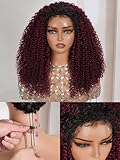
WIGCHIC 16" Kinky Curly Half Wig Human Hair Burgundy & Dark Roots | Flip-Over Drawstring | Seamless 4C Hairline | True Length | 3-in-1 Styling | Beginner Friendly (T1B/99J) | Check Price On Amazon |

|
Hair Removal Cream for Men & Women: Painless Depilatory for Sensitive Skin & Intimate Areas, Moisturizing with Aloe Vera & Vitamin E, Safe for Face, Underarms, Bikini, Arms (3.7 Fl Oz (Pack of 2)) | Check Price On Amazon |
|
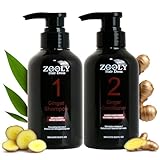
ZOOLY PROFESSIONAL Ginger Shampoo and Conditioner Sets 20.3 Fl Oz- Anti Hair Loss and Nourishes Hair Roots, Salon Level Scalp Care for Men and Women | Check Price On Amazon |

|
LUSN Baby Hair Clippers with Vacuum, Quiet Hair Trimmers for Kids, IPX7 Waterproof Rechargeable Cordless Haircut Kit for Baby Children Infant | Check Price On Amazon |
|
LURA Dual Voltage Travel Hair Dryer with Diffuser,Travel Blow Dryer Mini with EU Plug and UK Plug,Lightweight Portable Hairdryers with Folding Handle,1200W Compact Small Blowdryers for Women | Check Price On Amazon |
At the basic level, alcohols are compounds containing a hydroxyl group (OH) in their chemical structure. In hair products, they generally fall into two main categories:
- Short-chain/simple alcohols: These have small molecular structures that evaporate quickly, drawing moisture with them. This can lead to dryness when used regularly.
- Fatty alcohols: These have larger, more complex structures derived from natural fats. They function as emollients that smooth and moisturize hair.
The molecular weight of an alcohol directly affects how it interacts with your hair. Lightweight alcohols penetrate and can extract moisture, while heavier fatty alcohols sit on the surface, coating and protecting hair strands.
| Property | Short-Chain Alcohols | Fatty Alcohols |
|---|---|---|
| Molecular Structure | Small, simple | Large, complex |
| Effect on Hair | Potentially drying | Moisturizing, conditioning |
| Evaporation | Rapid | Slow |
| Common Uses | Styling products, quick-drying | Conditioners, moisturizers |
Why Manufacturers Include Alcohols in Hair Products
Alcohols serve multiple crucial functions in hair products that go beyond what most consumers realize. Here’s why formulators include these ingredients:
- Preservative properties: Certain alcohols help prevent microbial growth, extending product shelf life.
- Solvent capabilities: Alcohols help dissolve and blend oils, fragrances, and other ingredients that wouldn’t mix well with water.
- Evaporation properties: Quick-drying alcohols are essential for styling products where rapid setting is needed.
- Texture enhancement: Alcohols can transform a product’s feel, making it lighter, smoother, or more spreadable.
- Carrier function: Some alcohols help deliver other beneficial ingredients deeper into the hair shaft.
- Cost considerations: Certain alcohols are cost-effective ingredients that help manufacturers create affordable products.
In my practice as a trichologist, I often explain to clients that the inclusion of alcohols isn’t inherently good or bad – context matters tremendously.
The Good: Beneficial Alcohols That Nourish Your Hair
Not all alcohols dry out your hair – in fact, fatty alcohols are among the most beneficial ingredients in hair care. These alcohols function as emollients and moisturizers that can transform dry, frizzy hair into smooth, manageable locks.
Cetyl Alcohol
Derived originally from palm oil or coconut oil, cetyl alcohol is a waxy substance that provides slip and manageability to hair products.
- Benefits: Softens hair, reduces tangles, adds slip without heaviness
- Best for: All hair types, especially beneficial for normal to dry hair
- Common products: Conditioners, leave-in treatments, hair masks
- Feel on hair: Smooth without greasiness
Stearyl Alcohol
Another fatty alcohol with excellent conditioning properties that helps control frizz.
- Benefits: Controls frizz, seals moisture, adds shine
- Best for: Thick, coarse, or curly hair types
- Common products: Deep conditioners, styling creams, curl creams designed for curly hair
- Feel on hair: Rich and smooth
Cetearyl Alcohol
A blend of cetyl and stearyl alcohols that combines their benefits for excellent conditioning.
- Benefits: Enhances texture, reduces static, improves combability
- Best for: All hair types, versatile across textures
- Common products: Conditioners, styling products, detanglers
- Feel on hair: Silky and manageable
Behenyl Alcohol
A highly emollient fatty alcohol that provides intense conditioning.
- Benefits: Heavy-duty conditioning, excellent for damaged hair
- Best for: Very dry, damaged, or chemically treated hair
- Common products: Intensive repair treatments, deep conditioners
- Feel on hair: Rich and restorative
Lauryl Alcohol
A lighter fatty alcohol that conditions without heaviness.
- Benefits: Light conditioning, improves texture without weighing down
- Best for: Fine to medium hair types
- Common products: Lightweight conditioners, volumizing products
- Feel on hair: Light and bouncy
Fatty alcohols work by coating the hair shaft, filling in damaged areas, and creating a smooth surface that reflects light (creating shine) and reduces friction (preventing tangles).
How to Identify Beneficial Alcohols on Labels
Deciphering ingredient lists doesn’t require a chemistry degree. Here’s your practical guide to spotting the good alcohols when shopping for hair products:
- Look for the “-yl” pattern: Most beneficial fatty alcohols end with “-yl” (cetyl, stearyl, cetearyl, behenyl, lauryl)
- Check positioning: Beneficial alcohols often appear in the middle of ingredient lists, indicating moderate concentration
- Scan for descriptors: Products containing these alcohols often use terms like “moisturizing,” “conditioning,” or “smoothing” on packaging
- Use digital tools: Apps like Think Dirty, EWG Skin Deep, or CosDNA can help identify ingredients
As I tell my clients, learning to spot these beneficial alcohols allows you to find moisturizing products without relying solely on marketing claims.
The Bad: Drying Alcohols That Can Damage Your Hair
Short-chain alcohols can strip away natural oils and moisture from your hair, potentially leading to dryness, frizz, and damage over time. These are the alcohols to approach with caution, especially if you have dry or damaged hair.
Alcohol Denat. (SD Alcohol)
Denatured alcohol is ethanol with added chemicals to make it undrinkable.
- Why it’s potentially damaging: Highly drying, strips natural oils, can cause brittleness
- Common products: Hair sprays, styling gels, volumizing products
- Most vulnerable hair types: Dry, damaged, curly, or coily hair
- Concentration concerns: Particularly problematic when listed in the first 5 ingredients
Ethanol/Ethyl Alcohol
The most common type of alcohol, found in many styling products.
- Why it’s potentially damaging: Dissolves hair’s natural oils, creates porosity
- Common products: Hair sprays, quick-drying styling products
- Most vulnerable hair types: Color-treated, chemically processed, or naturally dry hair
- Concentration concerns: Less damaging when listed toward end of ingredient list
Isopropyl Alcohol
Often used as a cleansing agent and quick-drying solvent.
- Why it’s potentially damaging: Very drying, can create rough hair texture
- Common products: Hairsprays, styling sprays, some clarifying shampoos
- Most vulnerable hair types: Fine, delicate, or already moisture-depleted hair
- Concentration concerns: Can be particularly harsh in concentrated formulas
Propanol/Propyl Alcohol
Another dehydrating alcohol commonly found in styling products.
- Why it’s potentially damaging: Extracts moisture from hair shaft
- Common products: Styling gels, hair sprays, texturizing products
- Most vulnerable hair types: Curly, coily, or porous hair types
- Concentration concerns: Look for positioning in ingredient list
Benzyl Alcohol (in high concentrations)
Used as both a preservative and solvent in hair products.
- Why it’s potentially damaging: Can be drying at high concentrations
- Common products: Wide range of hair products as a preservative
- Most vulnerable hair types: Sensitive scalps, dry hair types
- Concentration concerns: Less concerning in small amounts (when listed toward end)
The mechanism of damage from these alcohols is straightforward: they dissolve and remove the natural lipids (oils) that protect your hair, while their rapid evaporation draws out moisture. The result is a moisture deficit that leaves hair vulnerable to breakage.
When “Bad” Alcohols Might Be Acceptable
Despite their potential for causing dryness, short-chain alcohols aren’t always problematic. Context matters – here’s when these alcohols might be acceptable in your hair care routine:
- Styling products for special occasions: Quick-setting hairsprays or styling products used occasionally rather than daily
- Low concentration formulas: Products where drying alcohols appear toward the end of the ingredient list (indicating smaller amounts)
- Oily hair types: If you have naturally oily hair, some drying alcohols can help control excess oil
- Balanced formulations: Products that pair drying alcohols with sufficient moisturizing ingredients to offset potential damage
- Professional styling: Salon treatments where the benefits outweigh temporary effects
I’ve observed in my clinical practice that many clients with oily scalps actually benefit from occasional use of products with drying alcohols, provided they’re used strategically.
How to Identify Drying Alcohols on Labels
Spotting potentially drying alcohols requires some label detective work. Here’s your practical guide to identifying alcohols that might cause problems for your hair type:
- Look for these names: Alcohol denat., SD alcohol, ethyl alcohol, isopropyl alcohol, propanol, propyl alcohol
- Check positioning: The closer to the beginning of the ingredient list, the higher the concentration
- Be wary of multiple drying alcohols: Products with several drying alcohols listed may cause increased dryness
- Watch for marketing clues: Terms like “quick-drying,” “volumizing,” or “maximum hold” often indicate high alcohol content
Take a product like a typical hairspray – you’ll often see “Alcohol Denat.” as one of the first ingredients, indicating it makes up a significant portion of the formula.
The Confusing: Alcohols That Fall In-Between
Some alcohols don’t fit neatly into ‘good’ or ‘bad’ categories, causing confusion even among hair care enthusiasts. These in-between alcohols require special attention when evaluating products.
Benzyl Alcohol (Dual Nature)
This ingredient functions differently depending on its concentration:
- As a preservative: In small amounts (usually less than 1%), it works as an antimicrobial preservative with minimal impact on hair
- As a solvent: In higher concentrations, it can act more like a drying alcohol
- Concentration matters: Generally beneficial when listed toward the end of ingredient lists
Propylene Glycol
Technically a glycol (not an alcohol), but often confused with alcohols:
- Functions: Humectant that attracts moisture, solvent, and viscosity controller
- Benefits: Can help maintain moisture balance and product texture
- Concerns: May cause irritation for some sensitive scalps
- Context: Generally helpful for hair health when properly formulated
Alcohol-Based Extracts
Plant extracts are often prepared using alcohol as a solvent:
- Identification: Usually listed as “Extract of [plant] (Alcohol)”
- Impact: The alcohol content is typically minimal and evaporates during manufacturing
- Benefits: The botanical benefits usually outweigh any concerns about the alcohol carrier
Aromatic Alcohols
Used primarily for fragrance rather than functional properties:
- Examples: Benzyl alcohol (in fragrance context), phenethyl alcohol
- Impact on hair: Minimal when used as fragrances in small amounts
- Concerns: May cause sensitivities for some individuals
In my years working with clients with various hair conditions, I’ve found these “gray area” alcohols rarely cause significant problems unless someone has specific sensitivities.
How Different Hair Types React to Alcohols
Your unique hair type dramatically affects how it responds to different alcohols. Understanding your hair’s specific needs is crucial for making the right product choices.
Fine, Straight Hair
Fine hair typically has less natural oil distribution and can be easily weighed down.
- Alcohol sensitivity: Moderate
- Alcohols to avoid: Heavy fatty alcohols in high concentrations can weigh hair down
- Beneficial alcohols: Lighter fatty alcohols like lauryl alcohol
- Product recommendations: Lightweight conditioners with balanced formulations
Thick, Straight Hair
Thick hair has more natural protection against drying effects.
- Alcohol sensitivity: Low to moderate
- Alcohols to avoid: Less sensitive to drying alcohols, but still best limited
- Beneficial alcohols: Most fatty alcohols work well
- Product recommendations: Can tolerate more varied formulations
Wavy Hair
Wavy hair tends to fall between straight and curly in terms of moisture needs.
- Alcohol sensitivity: Moderate to high
- Alcohols to avoid: Drying alcohols can disrupt wave pattern and cause frizz
- Beneficial alcohols: Cetearyl alcohol, stearyl alcohol
- Product recommendations: Moisturizing products with curl activators that enhance natural waves
Curly Hair
Curly hair typically needs more moisture due to its structure preventing natural oil distribution.
- Alcohol sensitivity: High
- Alcohols to avoid: All drying alcohols, especially in frequently used products
- Beneficial alcohols: Cetyl alcohol, cetearyl alcohol, behenyl alcohol
- Product recommendations: Low-poo shampoos, rich conditioners, specialized styling gels for curly hair
Coily/Kinky Hair
Coily hair has the highest moisture needs due to its tight curl pattern.
- Alcohol sensitivity: Very high
- Alcohols to avoid: All drying alcohols should be strictly limited
- Beneficial alcohols: Heavier fatty alcohols for maximum moisture
- Product recommendations: Co-washes, deep conditioners, butter-based styling products
Color-Treated Hair
Chemical processing increases porosity and vulnerability to drying effects.
- Alcohol sensitivity: High
- Alcohols to avoid: Drying alcohols can fade color and increase damage
- Beneficial alcohols: Cetyl alcohol, cetearyl alcohol, behenyl alcohol
- Product recommendations: Color-safe, moisture-rich formulations
Damaged/Chemically Processed Hair
Damaged hair has compromised cuticle layers and increased porosity.
- Alcohol sensitivity: Extremely high
- Alcohols to avoid: All drying alcohols can worsen existing damage
- Beneficial alcohols: Behenyl alcohol, cetearyl alcohol
- Product recommendations: Intensive repair treatments, protein-moisture balanced products
Understanding Hair Porosity and Alcohol Sensitivity
Hair porosity – how easily your hair absorbs and retains moisture – is the single biggest factor in determining your sensitivity to alcohols. Here’s why it matters more than you might think.
Your hair porosity falls into three main categories:
- Low porosity: Cuticles lie flat and tight, resistant to both moisture entry and loss
- Medium porosity: Cuticles slightly raised, balanced moisture absorption and retention
- High porosity: Cuticles very raised or damaged, absorbs moisture quickly but loses it easily
To test your porosity at home, place a clean strand of hair in a glass of water:
- If it floats for a long time: Low porosity
- If it gradually sinks: Medium porosity
- If it sinks immediately: High porosity
High porosity hair is most vulnerable to drying alcohols because:
- It absorbs ingredients more deeply and quickly
- Its raised cuticles already struggle to retain moisture
- The evaporative effect of short-chain alcohols is magnified
In my clinical practice, I’ve found that identifying porosity is often more important than just knowing hair type when determining alcohol sensitivity.
Strategic Shopping: How to Choose the Right Products for Your Hair
Armed with knowledge about alcohols and your specific hair type, you can now make strategic product choices. Here’s your comprehensive shopping guide for navigating alcohols in different product categories.
Shampoos
Shampoos generally have the lowest alcohol content of all hair products.
- Expected alcohols: Fatty alcohols like cetyl and cetearyl alcohol in moisturizing formulas
- Red flags: Alcohol denat. or isopropyl alcohol high on ingredient list in daily shampoos
- What to prioritize: Balance of cleansing and moisturizing ingredients
- Best choices: Sulfate-free formulas with fatty alcohols for dry/curly hair; clarifying formulas may contain some drying alcohols but are used infrequently
Conditioners
Conditioners typically contain beneficial fatty alcohols as primary ingredients.
- Expected alcohols: Cetyl, cetearyl, stearyl, and behenyl alcohols in varying combinations
- Red flags: Any short-chain alcohol in the first half of the ingredient list
- What to prioritize: Higher concentrations of fatty alcohols for more moisturizing effect
- Best choices: Richer formulations for curly/dry hair; lighter formulations with lauryl alcohol for fine hair
Leave-in Treatments
These products stay on your hair, so alcohol content is particularly important.
- Expected alcohols: Fatty alcohols, sometimes benzyl alcohol as preservative
- Red flags: Any drying alcohols in the first 7-10 ingredients
- What to prioritize: Water as first ingredient, followed by conditioning agents
- Best choices: Cream-based formulas for curly/dry hair; spray formulas with minimal alcohol for fine hair
Styling Products
This category has the widest variation in alcohol content.
- Expected alcohols: Both fatty alcohols and drying alcohols depending on product type
- Red flags: Multiple drying alcohols in daily-use products
- What to prioritize: Balance between hold/performance and hair health
- Best choices: Alcohol-balanced mousses for volume, cream-based products for moisture and definition
Hair Sprays
Typically contain the highest concentrations of drying alcohols.
- Expected alcohols: Alcohol denat., SD alcohol, or ethyl alcohol usually in top 3 ingredients
- Red flags: Multiple drying alcohols with no offsetting moisturizers
- What to prioritize: Formulas advertising “low-alcohol” or “moisturizing”
- Best choices: Flexible-hold sprays with added conditioning ingredients; limit use frequency
Treatments (Masks, Oils, etc.)
Generally the most conditioning category with minimal drying alcohols.
- Expected alcohols: Fatty alcohols, sometimes benzyl alcohol as preservative
- Red flags: Any short-chain alcohols in the first half of ingredient list
- What to prioritize: High concentrations of oils, butters, and fatty alcohols
- Best choices: Oil-based serums, butter-rich masks, protein treatments with fatty alcohols
Analyzing Your Current Products: A Step-by-Step Guide
Before rushing to replace your entire hair care collection, take inventory of what you already own. This systematic analysis will help you identify which products align with your hair’s needs.
- Gather all products: Collect everything you use regularly in your hair care routine
- Check ingredient lists: Identify all alcohols in each product, noting their position (higher = more concentrated)
- Create three categories:
- “Green” (beneficial alcohols only)
- “Yellow” (minimal drying alcohols or well-balanced formulas)
- “Red” (high concentrations of drying alcohols)
- Evaluate usage frequency: Daily use products should ideally be “green,” occasional use can be “yellow”
- Note performance: Record how each product actually performs on your hair regardless of ingredients
- Prioritize replacements: Focus first on replacing daily-use “red” products
For products that don’t work for your hair type, consider:
- Donating unopened products to shelters
- Using them on less sensitive areas like body care
- Repurposing conditioners as shaving cream
Beyond Alcohols: The Complete Formulation Picture
While understanding alcohols is crucial, they don’t work in isolation. The complete formulation – how ingredients work together – ultimately determines a product’s effect on your hair.
Alcohol Interactions With Common Ingredients
Alcohols interact differently with various ingredient categories:
Silicones
- When paired with fatty alcohols: Creates smooth, protected hair with shine
- When paired with drying alcohols: Can create buildup as alcohols evaporate, leaving silicones behind
- Best combinations: Water-soluble silicones with fatty alcohols
Oils
- When paired with fatty alcohols: Enhanced conditioning effect
- When paired with drying alcohols: Alcohols can help oils penetrate but may cause overall drying
- Best combinations: Natural oils with fatty alcohols for maximum moisture
Proteins
- When paired with fatty alcohols: Balanced strengthening and moisturizing
- When paired with drying alcohols: Can cause protein overload and brittleness
- Best combinations: Hydrolyzed proteins with fatty alcohols
Humectants (Glycerin, Aloe, Honey)
- When paired with fatty alcohols: Creates moisture-locking effect
- When paired with drying alcohols: Humectants can offset some drying effects
- Best combinations: Multiple humectants with fatty alcohols
The pH of a product also affects how alcohols interact with your hair. Lower pH products (acidic, pH 3.5-5.5) help keep the cuticle closed, which can minimize the damaging effects of some alcohols.
In my clinical practice, I’ve observed that a balanced formulation can often overcome the potential negatives of individual ingredients – context truly is everything.
Alcohol-Free Alternatives: Are They Better?
“Alcohol-free” has become a popular marketing claim, but is it always better? The answer requires nuance rather than a simple yes or no.
First, it’s important to understand what “alcohol-free” typically means on labels. Most often, it refers only to the absence of drying alcohols (ethanol, denatured alcohol, etc.) but may still contain beneficial fatty alcohols.
Benefits of Alcohol-Free Formulations
- Reduced drying potential: Less risk of moisture loss and damage
- Better for sensitive scalps: Less irritation for those with sensitivities
- More predictable results: Less variation in performance based on environmental conditions
- Potentially better for color-treated hair: Less fading and damage
Potential Drawbacks
- Different texture: May feel heavier or take longer to dry
- Limited styling options: Certain styles requiring quick-set may be harder to achieve
- Preservation challenges: May require alternative preservatives which have their own considerations
- Not necessarily better for all hair types: Oily hair may benefit from some drying alcohols
Alternative Ingredients Serving Similar Functions
Product formulators use several alternatives to replace the functions of drying alcohols:
- Instead of alcohol as solvent: Plant-derived glycols, glycerin, caprylyl glycol
- Instead of alcohol for quick drying: Silica, starches, clay minerals
- Instead of alcohol for preservation: Phenoxyethanol, sodium benzoate, potassium sorbate
- Instead of alcohol for texture: Natural gums, cellulose derivatives
| Product Type | Traditional Formulation | Alcohol-Free Alternative |
|---|---|---|
| Hair Spray | Alcohol-based with high hold | Water-based with natural gums |
| Styling Gel | Quick-drying with alcohols | Aloe-based with plant gums |
| Volumizer | Alcohol to create lift | Proteins and starches for volume |
| Edge Control | Alcohol for quick set | Plant waxes and butters for hold |
Expert Roundtable: Dermatologist, Stylist & Cosmetic Chemist Perspectives
To provide the most comprehensive perspective on alcohols in hair care, I consulted three different experts: a dermatologist specializing in hair and scalp health, a professional stylist working with diverse hair types, and a cosmetic chemist who formulates hair products.
What’s the most misunderstood aspect of alcohols in hair care?
Dermatologist: “The biggest misconception is that all alcohols are drying. Many patients avoid beneficial fatty alcohols unnecessarily. The molecular structure makes all the difference in how an alcohol interacts with the hair and scalp.”
Stylist: “Clients often don’t realize that some alcohols are actually helping their conditioner work better. I explain that cetyl alcohol isn’t like the rubbing alcohol they use at home – it’s completely different.”
Cosmetic Chemist: “Concentration matters tremendously. A little SD alcohol at the end of an ingredient list is negligible, while fatty alcohols need to be present in sufficient quantities to provide benefit. Context matters more than just the presence of an ingredient.”
What mistakes do consumers make regarding alcohols?
Dermatologist: “Avoiding all alcohols and missing out on beneficial formulations. Also, not considering their unique hair porosity which greatly affects how alcohols interact with their hair.”
Stylist: “Using too many styling products with drying alcohols daily, then wondering why their hair feels dry. Strategic use based on occasion would be better.”
Cosmetic Chemist: “Reading individual ingredients without understanding the formula as a whole. A well-formulated product with some drying alcohol can still be beneficial overall if properly balanced with moisturizing ingredients.”
Professional tips for different hair types?
Dermatologist: “For damaged hair, look for products with ceramides paired with fatty alcohols to repair the cuticle. For sensitive scalps, benzyl alcohol in small amounts as a preservative is generally well-tolerated.”
Stylist: “Curly hair clients should use styling products with fatty alcohols near the top of the ingredient list. For fine hair, strategic use of alcohol-based volumizers at the roots only can provide lift without overall dryness.”
Cosmetic Chemist: “Layer your products strategically – if using a styling product with some drying alcohol, make sure to use a leave-in conditioner with fatty alcohols underneath for protection.”
Conclusion: Your Personalized Action Plan
Armed with comprehensive knowledge about alcohols in hair products, you’re now equipped to make informed decisions tailored to your specific hair needs. Here’s your action plan for healthier hair through smarter product choices.
The key takeaways about alcohols in hair products:
- Fatty alcohols (cetyl, cetearyl, stearyl, behenyl) moisturize and condition hair
- Short-chain alcohols (SD alcohol, ethanol, isopropyl) can potentially dry hair when used frequently
- Your hair type and porosity determine your sensitivity to different alcohols
- The complete formulation matters more than any single ingredient
Your Next Steps:
- Assess your hair type and porosity to understand your specific needs
- Evaluate your current products using the analysis method outlined earlier
- Start replacing daily-use products containing high levels of drying alcohols
Remember that balance is key – there’s no need to eliminate all products containing any type of alcohol. Instead, make informed choices based on:
- How frequently you’ll use the product
- What function it serves in your routine
- How your unique hair responds
The most important thing is to pay attention to how your hair feels and responds, rather than making decisions based solely on ingredient fear. With your new understanding of alcohols in hair products, you can confidently build a hair care routine that truly works for your individual needs.
| Photo | Popular Hair Product | Price |
|---|---|---|
|
|
Kkioor 24 Inch Chocolate Brown Human Hair Wig 200 Density Body Wave Lace Front Wigs Human Hair Pre Plucked 13X4 HD Frontal Wig 4# Colored Brown Wig For Women Glueless Wigs | Check Price On Amazon |
|
|
KingSup 613 Lace Front Wig Human Hair Pre Plucked 250 Density 26 Inch 5x5 HD Lace Closure Straight Blonde Wig Human Hair, 100% Real Human Hair without Synthetic Blend Tangle Free Triple Lifespan 3X | Check Price On Amazon |
|
|
WIGCHIC 16" Kinky Curly Half Wig Human Hair Burgundy & Dark Roots | Flip-Over Drawstring | Seamless 4C Hairline | True Length | 3-in-1 Styling | Beginner Friendly (T1B/99J) | Check Price On Amazon |
|
|
Hair Removal Cream for Men & Women: Painless Depilatory for Sensitive Skin & Intimate Areas, Moisturizing with Aloe Vera & Vitamin E, Safe for Face, Underarms, Bikini, Arms (3.7 Fl Oz (Pack of 2)) | Check Price On Amazon |
|
|
ZOOLY PROFESSIONAL Ginger Shampoo and Conditioner Sets 20.3 Fl Oz- Anti Hair Loss and Nourishes Hair Roots, Salon Level Scalp Care for Men and Women | Check Price On Amazon |
|
|
LUSN Baby Hair Clippers with Vacuum, Quiet Hair Trimmers for Kids, IPX7 Waterproof Rechargeable Cordless Haircut Kit for Baby Children Infant | Check Price On Amazon |
|
|
LURA Dual Voltage Travel Hair Dryer with Diffuser,Travel Blow Dryer Mini with EU Plug and UK Plug,Lightweight Portable Hairdryers with Folding Handle,1200W Compact Small Blowdryers for Women | Check Price On Amazon |