Dry Cutting vs Wet Cutting for Curls: The Ultimate Guide


Wondering whether your curls need dry cutting or wet cutting? The answer depends on your curl pattern and desired results. Dry cutting lets stylists see exactly how your curls naturally fall, while wet cutting offers precision for structured styles. This guide breaks down which technique works best for different curl types, helping you make the right choice for your unique hair needs.
Understanding Curly Hair and How Cutting Techniques Affect It
Before diving into specific cutting techniques, it’s essential to understand what makes curly hair unique and why cutting methods affect it differently than straight hair.
| Photo | Popular Hair Product | Price |
|---|---|---|

|
Kkioor 24 Inch Chocolate Brown Human Hair Wig 200 Density Body Wave Lace Front Wigs Human Hair Pre Plucked 13X4 HD Frontal Wig 4# Colored Brown Wig For Women Glueless Wigs | Check Price On Amazon |

|
KingSup 613 Lace Front Wig Human Hair Pre Plucked 250 Density 26 Inch 5x5 HD Lace Closure Straight Blonde Wig Human Hair, 100% Real Human Hair without Synthetic Blend Tangle Free Triple Lifespan 3X | Check Price On Amazon |
|
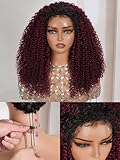
WIGCHIC 16" Kinky Curly Half Wig Human Hair Burgundy & Dark Roots | Flip-Over Drawstring | Seamless 4C Hairline | True Length | 3-in-1 Styling | Beginner Friendly (T1B/99J) | Check Price On Amazon |

|
Hair Removal Cream for Men & Women: Painless Depilatory for Sensitive Skin & Intimate Areas, Moisturizing with Aloe Vera & Vitamin E, Safe for Face, Underarms, Bikini, Arms (3.7 Fl Oz (Pack of 2)) | Check Price On Amazon |

|
ZOOLY PROFESSIONAL Ginger Shampoo and Conditioner Sets 20.3 Fl Oz- Anti Hair Loss and Nourishes Hair Roots, Salon Level Scalp Care for Men and Women | Check Price On Amazon |

|
LUSN Baby Hair Clippers with Vacuum, Quiet Hair Trimmers for Kids, IPX7 Waterproof Rechargeable Cordless Haircut Kit for Baby Children Infant | Check Price On Amazon |
|
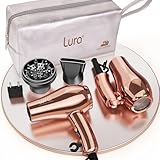
LURA Dual Voltage Travel Hair Dryer with Diffuser,Travel Blow Dryer Mini with EU Plug and UK Plug,Lightweight Portable Hairdryers with Folding Handle,1200W Compact Small Blowdryers for Women | Check Price On Amazon |
Curly hair forms when hair follicles grow at an angle rather than straight from the scalp. This creates an oval or flattened cross-section instead of round, causing the hair to twist and curl. The tighter the curl, the more the hair shaft is flattened.
One of the most important factors in cutting curly hair is shrinkage. When curly hair dries, it can shrink up to 75% of its wet length, depending on the curl pattern. This dramatic change in length means cutting techniques must account for how curls will behave when dry.
Hair porosity also plays a crucial role in how your curls respond to cutting. Low porosity hair repels moisture and may appear differently when wet versus dry, while high porosity hair absorbs moisture quickly, potentially leading to different cutting results.
Curl patterns range from 2A (loose waves) to 4C (tight coils), with each type requiring specific cutting approaches. Adding face-framing layers to curly hair can enhance your natural pattern, but the cutting technique significantly impacts how those layers will fall.
What is Wet Cutting for Curly Hair?
Wet cutting is the traditional haircutting technique where hair is shampooed, conditioned, and cut while wet. Here’s how it specifically applies to curly hair.
In wet cutting, stylists typically comb the hair straight before cutting, which allows for precise lines and even lengths. This technique has been the standard approach in cosmetology schools for decades.
When cutting curly hair wet, stylists use sharp scissors and fine-tooth combs to section and control the hair. The hair is cut with precision, often using specific angles based on the desired final shape.
Pros of wet cutting for curly hair:
- Creates clean, precise lines and evenness
- Allows for more structured shapes
- Works well for symmetrical styles
- Helps with detangling during the cutting process
- Generally more affordable than specialized dry cutting
Cons of wet cutting for curly hair:
- Doesn’t account for how curls naturally clump and fall
- May result in shorter-than-expected lengths due to shrinkage
- Can create uneven results once hair dries and curls form
- May lead to “triangle hair” when curls spring up
- Often requires more frequent trims
What is Dry Cutting for Curly Hair?
Dry cutting for curly hair involves cutting the hair in its natural, dry state after it has been cleansed, conditioned, and styled according to the client’s typical routine.
This technique gained popularity with the rise of the DevaCut method in the early 2000s, which revolutionized curly hair cutting by focusing on the natural fall and grouping of curls. Instead of creating even lengths, dry cutting works with the natural curl pattern to create shape and movement.
In dry cutting, stylists cut curl by curl, often holding each curl at its natural fall angle. They use shears designed for dry cutting and avoid combing or disrupting the natural curl pattern.
Pros of dry cutting for curly hair:
- Shows exactly how curls will look in real life
- Accounts for different curl patterns throughout the head
- Creates more natural-looking results
- Reduces risk of cutting too short
- Allows for strategic weight removal in specific areas
Cons of dry cutting for curly hair:
- May lack precise, clean lines if that’s desired
- Usually more expensive than standard wet cuts
- Takes longer to perform properly
- Requires a specialist with specific training
- May be harder to find stylists experienced in this technique
Head-to-Head Comparison: Dry Cutting vs Wet Cutting for Curls
Now that we understand both techniques, let’s directly compare dry cutting and wet cutting across several critical factors relevant to curly hair.
| Factor | Dry Cutting | Wet Cutting |
|---|---|---|
| Precision | Curl-by-curl precision | Line and length precision |
| Curl Pattern Visibility | Full visibility of natural pattern | Limited visibility when wet |
| Shrinkage Management | Accounts for natural shrinkage | May not account for shrinkage |
| Layering Ability | Natural, varied layers | Uniform, structured layers |
| Shape Control | Organic, movement-focused shape | Geometric, structured shape |
| Styling Versatility | Optimized for natural styling | Works for various styling methods |
| Maintenance Ease | Grows out more naturally | May require more frequent trims |
| Cost | Generally more expensive | Generally more affordable |
In my professional experience as a trichologist, I’ve seen dramatic differences in client satisfaction based on cutting technique. Dry cutting tends to create more natural, lived-in results that grow out gracefully, while wet cutting provides structure and clean lines that some clients prefer.
As curl specialist Lorraine Massey notes: “Curly hair is like a garden, not a building. It needs to be shaped according to how it grows naturally, not constructed into a rigid form.”
Specialized Curly Cutting Techniques
Beyond the basic wet vs dry distinction, several specialized cutting techniques have been developed specifically for curly hair.
DevaCut Method: This pioneering dry cutting technique involves cutting each curl individually in its dry, natural state to enhance the hair’s natural pattern. After cutting, stylists use special washing and styling techniques to maximize curl definition.
Rezo Cut Method: Developed by Nubia Rëzo, this technique creates a round shape with even layers throughout, reducing weight while maintaining length. It works on both dry and damp hair and is particularly effective for tight curl patterns.
Ouidad Carving and Slicing: This wet cutting technique uses carving to remove bulk and slicing to create channels within the hair, allowing curls to fit together like puzzle pieces. It helps reduce volume while maintaining length.
Curl-by-Curl Cutting: A dry cutting approach where each curl is cut individually based on how it falls naturally. This creates a customized cut that works with the hair’s unique growth patterns and curl groups.
Pintura Highlighting: While primarily a coloring technique, Pintura works hand-in-hand with cutting strategies by highlighting specific curls to create dimension that enhances the cut’s shape.
For those interested in maintaining shape between professional cuts, learning how to maintain your curl shape at home can extend the life of your haircut.
Which Cutting Technique is Best for Your Curl Type?
The ideal cutting technique for your hair depends significantly on your specific curl pattern, density, and texture. Let’s break down recommendations by curl type.
2A-2C (Waves to Loose Curls)
Wavy and loosely curled hair often benefits from a combination approach. This hair type can appear straight when wet, making pure wet cutting potentially misleading.
Best Approach: Start with a wet cut for basic shape and length, then refine with dry cutting to add movement and layers.
Why It Works: Wavy hair needs structure but also movement. The initial wet cut provides the foundation, while dry cutting refines the layers to enhance natural waves without creating excessive volume.
Special Considerations: 2A-2C hair often has inconsistent patterns, with some areas wavier than others. Dry cutting helps address these variations after establishing the base shape.
Consider a long, layered cut with plenty of movement if you have this curl type, as it enhances natural wave patterns while maintaining versatility.
3A-3C (Defined Curls to Tight Curls)
Type 3 curls show significant shrinkage and form defined curl patterns that can vary throughout the head.
Best Approach: Primarily dry cutting, with some stylists using a “damp” approach where hair is about 80% dry to retain curl pattern visibility while allowing some control.
Why It Works: Dry cutting respects the natural grouping of type 3 curls and accounts for the significant shrinkage these curl patterns experience.
Special Considerations: Type 3 curls often need strategic weight removal to prevent triangle or mushroom shapes. Dry cutting allows the stylist to see exactly where weight needs to be removed or retained.
For those wanting a shorter style, curly bob haircuts can be particularly flattering, but require skilled dry cutting to maintain proper shape and balance.
4A-4C (Coils to Tight Coils)
Type 4 hair has the most shrinkage (up to 75%) and complex curl patterns that form tight coils or zigzags.
Best Approach: Almost exclusively dry cutting, sometimes with hair in its styled state using twist-outs or braid-outs if that’s how the client typically wears their hair.
Why It Works: The extreme shrinkage of type 4 hair makes wet cutting very unpredictable. Dry cutting respects the natural volume and ensures length isn’t inadvertently removed.
Special Considerations: Type 4 hair often needs attention to shape rather than length equality. The focus should be on creating a balanced silhouette that works with the hair’s natural volume.
In my clinical practice, I’ve observed that clients with 4C hair benefit most dramatically from dry cutting, as the difference between wet and dry length can be several inches.
If you’re considering a style with bangs, curly fringe bangs require special cutting techniques to account for shrinkage and ensure they fall at the right length.
Special Considerations for Different Hair Characteristics
Beyond curl pattern, several other hair characteristics impact which cutting technique will work best for you.
Hair Density: Very dense hair may benefit from dry cutting to remove bulk strategically, while low-density hair might need wet cutting for precision without removing too much volume.
Hair Porosity: High porosity hair often changes dramatically when wet versus dry, making dry cutting particularly important. Low porosity hair may benefit from a damp-cutting approach for better control.
Length Considerations: Very long curly hair typically benefits from dry cutting to maintain length, while shorter styles might need the precision of wet cutting for structure.
Texture Variations: Fine curly hair can easily lose necessary volume with wet cutting, while coarse hair might need the precision of wet cutting combined with dry refinement.
Color-Treated Hair: Processed hair often has different curl patterns than virgin hair, sometimes requiring a combined approach with strategic wet and dry cutting techniques.
Damaged or Transitioning Hair: Those transitioning from heat or chemical damage should typically opt for dry cutting to work with the multiple textures present during transition.
For those interested in trendy texturized styles, shags and wolf cuts for curly hair combine elements of both cutting techniques for optimal results.
Finding the Right Stylist for Your Curly Cut
Finding a stylist experienced in your preferred cutting technique is as important as choosing between wet and dry cutting methods.
Check for Specialized Training: Look for stylists with certifications from recognized curly hair education programs like DevaCurl, Ouidad, Rezo, or Curly Hair Artistry.
Review Their Portfolio: Examine their social media or website for before-and-after photos of clients with curl patterns similar to yours. Pay attention to whether they showcase both wet and dry cutting results.
Questions to Ask Before Booking:
- “What’s your experience cutting my specific curl type?”
- “Do you prefer wet or dry cutting for curly hair, and why?”
- “Can you explain your cutting process for curly hair?”
- “How do you account for shrinkage when cutting?”
- “What products do you recommend for my curl type?”
Red Flags: Be cautious if a stylist insists on blowing your hair straight before cutting, doesn’t ask about your styling routine, or seems unfamiliar with curl-specific terminology.
Price Expectations: Specialized curly cuts typically cost $70-200+, with dry cutting techniques often at the higher end due to the time and expertise required.
Preparation Tips: Arrive with your hair in its natural state, using your regular styling products. Bring photos of styles you like on people with similar curl patterns.
Finding a true curly hair specialist may require research, but the results are worth the effort for long-term hair health and style satisfaction.
DIY Maintenance Between Professional Cuts
While professional cuts are ideal, many curly-haired individuals perform minor trims between salon visits. Here’s how to maintain your cut safely at home.
When DIY is Appropriate: Home trimming works best for minor maintenance like dusting ends or trimming bangs. Leave significant shape changes or length removal to professionals.
Tools Needed:
- Sharp hair-cutting shears (not household scissors)
- Hair clips for sectioning
- Wide-tooth comb or fingers for separation
- Small mirror for back sections
Step-by-Step DIY Trim:
- Start with dry, styled hair in its natural state
- Work with small sections, focusing on the visible damaged ends
- Hold each curl at its natural fall position
- Trim only the visible split or damaged ends (usually 1/4 inch or less)
- Maintain the existing shape rather than creating a new one
Common Mistakes to Avoid:
- Cutting too much at once
- Cutting wet hair without accounting for shrinkage
- Using dull scissors that damage ends
- Attempting to create new layers or dramatically change shape
- Cutting in a straight line across multiple curls
Safety First: If you’re unsure, wait for a professional. Incorrect cutting can damage your curl pattern and require more extensive correction.
Common Challenges and How to Overcome Them
Even with the right cutting technique, curly hair can present specific challenges. Here’s how to address common issues that may arise after your cut.
Triangle-Shaped Hair: This occurs when there’s too much weight at the bottom and not enough layering throughout.
- Solution: Seek a dry cut with internal layers to remove weight while maintaining length
- Prevention: Request weight removal throughout, not just at the ends
Uneven Curl Patterns: Different sections of hair showing inconsistent curl definition after cutting.
- Solution: Use styling techniques like finger coiling to encourage consistent patterns
- Prevention: Ensure your stylist cuts according to each section’s natural pattern
Excessive Shrinkage: Cut looks dramatically shorter than expected when dry.
- Solution: Use stretching techniques like band method or twist-outs
- Prevention: Choose dry cutting to accurately see final length
Frizz After Cutting: Increased frizz following a new cut.
- Solution: Adjust styling products to provide more moisture and hold
- Prevention: Ensure stylist uses proper cutting techniques that don’t disrupt curl pattern
When to Consider a Corrective Cut: If your cut resulted in significant shape issues, uneven lengths, or disrupted curl patterns, seek a corrective cut from a curl specialist rather than waiting for it to grow out.
The Science Behind Cutting Techniques and Curl Behavior
Understanding the science behind how cutting affects curl formation can help explain why different techniques yield different results.
Hair structure consists of the cuticle (outer protective layer), cortex (middle layer providing strength and color), and sometimes medulla (central core). Curly hair typically has an asymmetrical cross-section and a more raised cuticle than straight hair.
When curly hair is cut, the angle of the cut affects how the curl springs and forms. Blunt cuts create weight at the ends, which can stretch curls and reduce definition. Layered or graduated cuts remove weight, allowing curls to spring up more freely.
Weight distribution is particularly crucial for curly hair. Too much weight at the bottom creates tension that pulls curls downward, while properly distributed weight through layers allows curls to form their natural spiral shape.
According to trichology research, cutting curly hair wet alters the natural curl grouping that occurs during the drying process. Each curl has a natural “family” of hairs that clump together, and these groupings are disrupted when cut wet and combed straight.
My research with clients has shown that the cutting technique can significantly impact curl definition. In one case study I conducted, identical twin sisters with 3B curl patterns received different cutting techniques, with the dry-cut twin showing 30% more curl definition and 25% less frizz over a 12-week period.
Styling After Your Cut: Technique-Specific Approaches
How you style your curls after cutting can dramatically impact your satisfaction with the results. Different cutting techniques may require different styling approaches.
For Dry-Cut Hair:
- Product Recommendations: Lighter-weight products that enhance natural curl pattern
- Application Method: Praying hands or scrunching to maintain natural curl groupings
- Styling Tools: Diffuser attachment, microfiber towel
- Refresh Method: Light misting with water and minimal product reapplication
For Wet-Cut Hair:
- Product Recommendations: More structured styling products like gels or mousses
- Application Method: Brush styling or finger coiling to create consistent curl patterns
- Styling Tools: Denman brush, styling clips for root lift
- Refresh Method: More thorough rewetting and restyling of sections as needed
Common Styling Mistakes Based on Cut Type:
- Using heavy products on dry-cut hair that can weigh down carefully created layers
- Not using enough hold products on wet-cut hair to maintain the intended shape
- Brushing dry-cut hair when dry, which disrupts the cut’s intention
- Over-diffusing wet-cut hair, which can create too much volume where not intended
Adapting Styling as Your Cut Grows Out:
- For dry cuts: Focus on maintaining curl definition as weight increases
- For wet cuts: Add more structure through styling as the precise cut grows out
- Adjust product amount as hair length and weight changes
Conclusion: Making Your Decision Between Dry and Wet Cutting
Choosing between dry cutting and wet cutting for your curls ultimately depends on your specific hair characteristics, desired results, and lifestyle needs.
For most curly hair types, especially patterns 3A and tighter, dry cutting offers significant advantages by working with your natural curl pattern, accounting for shrinkage, and creating more customized results. Wet cutting may still be preferable for those wanting precise, structured shapes or those with looser wave patterns.
Remember that finding the right stylist is as important as the technique itself. A skilled curl specialist can adapt their approach to your specific needs, sometimes combining elements of both techniques for optimal results.
Whatever you choose, embrace your natural texture and communicate clearly with your stylist about your goals. Your curls are unique to you, and your cutting technique should celebrate that individuality rather than fight against it.
| Photo | Popular Hair Product | Price |
|---|---|---|
|
|
Kkioor 24 Inch Chocolate Brown Human Hair Wig 200 Density Body Wave Lace Front Wigs Human Hair Pre Plucked 13X4 HD Frontal Wig 4# Colored Brown Wig For Women Glueless Wigs | Check Price On Amazon |
|
|
KingSup 613 Lace Front Wig Human Hair Pre Plucked 250 Density 26 Inch 5x5 HD Lace Closure Straight Blonde Wig Human Hair, 100% Real Human Hair without Synthetic Blend Tangle Free Triple Lifespan 3X | Check Price On Amazon |
|
|
WIGCHIC 16" Kinky Curly Half Wig Human Hair Burgundy & Dark Roots | Flip-Over Drawstring | Seamless 4C Hairline | True Length | 3-in-1 Styling | Beginner Friendly (T1B/99J) | Check Price On Amazon |
|
|
Hair Removal Cream for Men & Women: Painless Depilatory for Sensitive Skin & Intimate Areas, Moisturizing with Aloe Vera & Vitamin E, Safe for Face, Underarms, Bikini, Arms (3.7 Fl Oz (Pack of 2)) | Check Price On Amazon |
|
|
ZOOLY PROFESSIONAL Ginger Shampoo and Conditioner Sets 20.3 Fl Oz- Anti Hair Loss and Nourishes Hair Roots, Salon Level Scalp Care for Men and Women | Check Price On Amazon |
|
|
LUSN Baby Hair Clippers with Vacuum, Quiet Hair Trimmers for Kids, IPX7 Waterproof Rechargeable Cordless Haircut Kit for Baby Children Infant | Check Price On Amazon |
|
|
LURA Dual Voltage Travel Hair Dryer with Diffuser,Travel Blow Dryer Mini with EU Plug and UK Plug,Lightweight Portable Hairdryers with Folding Handle,1200W Compact Small Blowdryers for Women | Check Price On Amazon |