
Is it better to dye your hair wet or dry? How to prepare your hair before Dying?


If you’re new to coloring your hair, you probably have a lot of questions. Should you use permanent or semi-permanent dye? Should your hair be clean or dirty? And most importantly, should your hair be wet or dry when you apply the color?
The wet versus dry question confuses many people. At-home hair color boxes often say to apply dye on wet hair. But at salons, stylists usually apply color to dry hair. Why the difference?
| Photo | Popular Hair Product | Price |
|---|---|---|

|
Kkioor 24 Inch Chocolate Brown Human Hair Wig 200 Density Body Wave Lace Front Wigs Human Hair Pre Plucked 13X4 HD Frontal Wig 4# Colored Brown Wig For Women Glueless Wigs | Check Price On Amazon |

|
KingSup 613 Lace Front Wig Human Hair Pre Plucked 250 Density 26 Inch 5x5 HD Lace Closure Straight Blonde Wig Human Hair, 100% Real Human Hair without Synthetic Blend Tangle Free Triple Lifespan 3X | Check Price On Amazon |
|
WIGCHIC 16" Kinky Curly Half Wig Human Hair Burgundy & Dark Roots | Flip-Over Drawstring | Seamless 4C Hairline | True Length | 3-in-1 Styling | Beginner Friendly (T1B/99J) | Check Price On Amazon |

|
Hair Removal Cream for Men & Women: Painless Depilatory for Sensitive Skin & Intimate Areas, Moisturizing with Aloe Vera & Vitamin E, Safe for Face, Underarms, Bikini, Arms (3.7 Fl Oz (Pack of 2)) | Check Price On Amazon |
|
ZOOLY PROFESSIONAL Ginger Shampoo and Conditioner Sets 20.3 Fl Oz- Anti Hair Loss and Nourishes Hair Roots, Salon Level Scalp Care for Men and Women | Check Price On Amazon |

|
LUSN Baby Hair Clippers with Vacuum, Quiet Hair Trimmers for Kids, IPX7 Waterproof Rechargeable Cordless Haircut Kit for Baby Children Infant | Check Price On Amazon |
|
LURA Dual Voltage Travel Hair Dryer with Diffuser,Travel Blow Dryer Mini with EU Plug and UK Plug,Lightweight Portable Hairdryers with Folding Handle,1200W Compact Small Blowdryers for Women | Check Price On Amazon |
The answer depends on the type of hair color you’re using—whether it’s permanent hair color or semi or demi-permanent hair color. Let’s explore when to dye wet hair, when to dye dry hair, and how to prepare your hair for the best color results.
Is It Better to Dye Your Hair Wet or Dry?
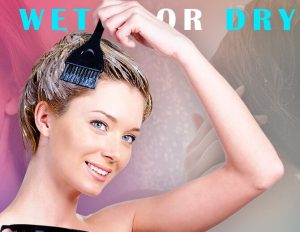
Hair dye can be applied to both wet and dry hair. The right choice depends on the type of dye you’re using and the result you want.
When to Dye Wet Hair
Wet hair works best for certain types of color treatments:
- Semi-permanent dyes without ammonia or peroxide: These gentler formulas can be applied to damp hair. The water helps the color spread evenly and creates a softer, more subtle result.
- Toners: Hair toners work best on damp hair. Freshly lightened hair is very porous. When damp, it absorbs toner more evenly without grabbing too much color in one spot.
- Pastel colors: Light colors like lavender, pink, or blue often apply better to damp hair for softer, more blended results.
- Wet balayage: This newer technique applies color to damp hair to create soft, natural-looking dimension. It works especially well on thick or coarse hair.
- Root touch-ups on previously colored hair: Damp hair can help blend new color into old color seamlessly.
When applying color to wet hair, your hair should be damp—not dripping. Towel-dry your hair so it’s uniformly moist. Uneven dampness can lead to splotchy, uneven color.
When to Dye Dry Hair
Dry hair is the better choice for most coloring situations:
- Permanent hair dye: Always apply permanent color to completely dry hair. Your hair’s natural oils protect your scalp from the harsh chemicals in permanent dye (ammonia and peroxide). Dry hair also allows for maximum color lift and deposit.
- Bleach and lighteners: Lightening treatments should only be applied to dry hair. Water dilutes the bleach and makes it less effective. It also increases the risk of uneven lifting.
- Vivid or dark colors: Rich reds, deep browns, and bright fashion colors need dry hair to get full pigment saturation.
- Highlights and dimensional color: Most highlighting techniques work best on dry hair for precise placement and controlled lifting.
Why does dry hair work better for permanent color? When your hair is wet, water fills the hair shaft. This dilutes the dye pigments and weakens the final color. Water also causes your hair cuticle to swell, which can lead to uneven color absorption. Some areas may be wetter than others, resulting in patchy color.
Quick Reference Table: Wet vs. Dry Hair for Coloring
| Color Type | Best Applied To | Why |
|---|---|---|
| Permanent dye | Dry hair | Maximum lift, even coverage, scalp protection |
| Semi-permanent (no ammonia) | Damp or dry hair | Both work; damp gives softer results |
| Demi-permanent | Dry hair (usually) | Better pigment deposit and longevity |
| Bleach/lightener | Dry hair | Full strength needed for effective lifting |
| Toner | Damp hair | Even absorption on porous hair |
| Fashion/pastel colors | Damp hair | Softer, more blended finish |
| Root touch-up | Dry (new color) or damp (blending) | Depends on desired result |
Should You Wash Your Hair Before You Dye It?
This is one of the most misunderstood parts of hair coloring. For years, people believed you should never wash your hair before coloring it. But modern hair color works best on clean hair.
Why the “Dirty Hair” Myth Exists
Decades ago, hair color formulas were extremely harsh. They contained high levels of ammonia and strong developers. Not washing your hair before coloring helped because:
- Natural oils formed a protective barrier on your scalp
- This barrier reduced burning and irritation
- It helped prevent chemical damage to the hair shaft
Today’s hair color formulas are much gentler. They contain conditioning agents and lower levels of harsh chemicals. Clean hair actually helps modern color work better.
Why Clean Hair Takes Color Better
Clean hair absorbs color more evenly. Here’s why:
- No product buildup: Styling products, dry shampoo, and leave-in treatments create a coating on your hair. This coating blocks color from penetrating the hair shaft properly.
- No excess oils: Too much natural oil can slow down color processing. It can also prevent lighteners from lifting effectively.
- Better stylist experience: Clean hair is easier and more pleasant for your colorist to work with. Dirty, greasy hair with heavy product buildup can actually turn away some stylists.
- More predictable results: Colorists can better judge how your hair will react when it’s clean. Buildup creates unknown variables.
Important Washing Guidelines Before Coloring
Follow these rules when washing before a color appointment:
- Don’t scratch your scalp: Wash gently without scrubbing or scratching. Small scratches or irritation on your scalp will burn and tingle when color or bleach is applied.
- Wash after workouts: If you exercise regularly, always wash your hair before coloring. Excess sweat and oil will slow down color processing and lead to poor results.
- Remove all hair oils: If you apply coconut oil, argan oil, or other hair treatments, shampoo thoroughly before your appointment. Oils are heavy products that block color from working properly. They can also cause highlights to bleed and spread where you don’t want them.
- Skip conditioner on coloring day: Use shampoo but skip conditioner during your pre-color wash. Conditioner can coat the hair and interfere with color absorption.
How Long Should You Wait to Dye Your Hair After Washing It?
Timing is important. Don’t wash your hair right before applying color. You need to give your scalp time to rebuild a light protective layer.
The best time to wash your hair is 12 to 24 hours before your coloring appointment. This gives you clean hair without leaving your scalp completely unprotected.
Why 12-24 Hours Is the Sweet Spot
- Natural oil production: Your scalp produces sebum (natural oil) constantly. After 12-24 hours, you’ll have a light layer of oil that protects your scalp without blocking color.
- Completely dry hair: Your hair will be fully dry. No damp spots that could cause uneven coloring.
- Not too greasy: Your hair won’t be overly oily or weighed down.
- No fresh scratches: Any minor scalp irritation from washing will have healed.
Timing by Dye Type
- Semi-permanent color: Wash 12-24 hours before application
- Demi-permanent color: Wash 24 hours before application
- Permanent color: Wash 24 hours before application
- Bleach/lightener: Wash 24-48 hours before application (more oil protection is helpful)
What Happens If You Color Too Soon After Washing?
If you wash your hair the same day as coloring, several problems can occur:
- Your hair may still be unevenly damp, leading to splotchy color
- Your scalp has no protective oil barrier, increasing irritation and burning
- Color may not penetrate as well on freshly washed hair
- Your hair will be more prone to damage and dryness
Can You Dye Hair That Hasn’t Been Washed in a Week?
Yes, you can dye hair that hasn’t been washed in a week. But whether you should depends on how oily your hair gets and what type of color you’re using.
When Week-Old Hair Is Okay
You can skip washing if:
- Your scalp naturally produces very little oil
- Your hair doesn’t look or feel greasy
- You haven’t used styling products all week
- You’re using permanent color or bleach (more oil protection is helpful)
When You Should Wash First
If your hair gets oily after just 1-2 days of washing, you should definitely wash your hair the day before your color appointment. Very greasy hair doesn’t take color well.
Wash your hair before coloring if:
- Your hair looks or feels greasy
- You have visible product buildup
- You’ve used dry shampoo multiple times
- You’re using semi-permanent color (these dyes need cleaner hair)
- You’ve applied hair oils or masks
How Different Dyes React to Oily Hair
- Semi-permanent color: Does not work well on very oily or product-filled hair. The color can’t penetrate properly and will wash out faster. Clean hair is better.
- Permanent color: Some oil is actually helpful. Natural oils protect your scalp from chemical damage while the color still processes well.
- Bleach: Benefits from natural oils because lightening is so harsh. The oils protect your scalp and hair from extreme damage. But too much oil can slow down the lightening process.
- Lightening (going lighter): If you’re lifting your color several shades, having natural scalp oils is beneficial. You can even apply a light amount of oil to your mid-lengths and ends for extra protection—but don’t overdo it.
- Going darker: Wash your hair the day before. You don’t need as much oil protection when depositing darker color.
How to Prepare Your Hair Before Dyeing It
Good preparation makes a huge difference in your color results. Start preparing your hair weeks before your appointment if possible.
Step 1: Clarify Your Hair (2-3 Days Before)
Remove all product buildup, minerals, and oils with a clarifying treatment.
How to clarify:
- Use a clarifying shampoo (available at most drugstores)
- Or mix 1 tablespoon of baking soda into your regular shampoo
- Massage thoroughly into wet hair and scalp
- Rinse completely
- Follow with a deep conditioner (clarifying is drying)
Why clarifying helps: Hair color can only work on the actual hair strand. Buildup creates a barrier that blocks color molecules. Clarifying removes this barrier so color can penetrate evenly.
Step 2: Strengthen Damaged Hair (2-4 Weeks Before)
Don’t color severely damaged hair. The chemicals will make damage worse. Strengthen your hair first.
Protein treatments:
- Use a protein hair treatment once a week for 3-4 weeks before coloring
- Protein temporarily fills in gaps in damaged hair
- This makes hair stronger and better able to handle color chemicals
- Look for treatments with hydrolyzed keratin, wheat protein, or silk protein
Trim damaged ends:
- Get a trim 1-2 weeks before coloring
- Remove split ends and badly damaged pieces
- Damaged ends soak up too much color and turn darker than the rest of your hair
- Fresh ends also make your final color look healthier
Step 3: Deep Condition (1 Week Before)
Moisturized hair takes color better and stays healthier during the chemical process.
Deep conditioning benefits:
- Adds moisture that color chemicals will strip away
- Helps balance your hair’s pH level
- Smooths the hair cuticle for more even color absorption
- Reduces frizz and makes color look shinier
How to deep condition:
- Shampoo hair gently
- Apply a thick layer of deep conditioning mask
- Focus on mid-lengths and ends (not the scalp)
- Cover with a shower cap
- Leave on for 20-30 minutes
- Rinse with cool water
Step 4: Plan Your Color with Your Stylist
Communication prevents color disasters.
Before your appointment:
- Save photos of colors you like
- Save photos of colors you definitely don’t want
- Be realistic about what’s possible with your hair type and current color
- Discuss your budget (some color techniques cost more than others)
- Ask how much maintenance the color will need
- Discuss timing—some colors take 4-5 hours
Trust your stylist’s expertise:
- Listen to their advice about what will work on your hair
- They may suggest a different shade that’s more flattering
- They understand how your natural color will affect the final result
- Give them creative freedom—you might get something even better than you imagined
Step 5: The Final Wash (12-24 Hours Before)
What to do:
- Wash with your regular shampoo
- Massage gently—don’t scratch or scrub your scalp
- Rinse thoroughly
- Skip conditioner this time
- Let hair air dry or blow dry completely
- Don’t apply any styling products
What to avoid before your appointment:
- Don’t use dry shampoo
- Don’t apply oils or serums
- Don’t use leave-in conditioners
- Don’t apply hairspray or gel
- Don’t swim in chlorinated or salt water
What to Expect During and After Coloring
During the Coloring Process
Normal sensations:
- Slight warmth on your scalp
- Mild tingling (especially with permanent color or bleach)
- Chemical smell (this is normal—salons have ventilation)
Warning signs to speak up about:
- Burning or stinging pain
- Severe itching
- Swelling around your hairline
- Difficulty breathing (very rare, but indicates an allergic reaction)
Tell your stylist immediately if you experience any warning signs. They can rinse the color out right away.
Immediately After Coloring
Your hair will need special care after coloring:
First 24-48 hours:
- Don’t wash your hair for at least 24 hours (48 is better)
- This gives the color time to fully set in your hair
- Washing too soon can cause color to fade faster
- Avoid getting hair wet in the shower or pool
Ongoing color care:
- Use color-safe shampoo and conditioner
- Wash hair in cool or lukewarm water (hot water opens the cuticle and releases color)
- Wash less frequently—every 2-3 days if possible
- Use a color-depositing conditioner or mask once a week
- Apply heat protectant before using hot tools
- Wear a hat or use UV protection spray in the sun
Common Hair Coloring Mistakes to Avoid
Mistake 1: Coloring Severely Damaged Hair
Why it’s bad: Damaged hair can’t handle more chemical stress. It will break, become more damaged, and won’t hold color well.
Solution: Repair your hair for 4-6 weeks before coloring. Use protein treatments and deep conditioners. Trim damaged ends.
Mistake 2: Skipping the Patch Test
Why it’s bad: You could have an allergic reaction. This can range from mild itching to severe swelling or breathing problems.
Solution: Always do a patch test 48 hours before using a new hair color product. Apply a small amount of mixed color to your inner arm. Watch for any reaction.
Mistake 3: Using the Wrong Developer Strength
Why it’s bad: Developer that’s too strong causes excessive damage. Developer that’s too weak won’t lift your color enough.
Developer guide:
- 10-volume: Deposit only, no lift (darkening or toning)
- 20-volume: 1-2 levels of lift (most common for permanent color)
- 30-volume: 2-3 levels of lift (lightening dark hair)
- 40-volume: Maximum lift (should only be used by professionals)
Mistake 4: Overlapping Color on Previously Colored Hair
Why it’s bad: Overlapping causes dark bands, uneven color, and excessive damage where the new and old color meet.
Solution: When doing root touch-ups, apply color only to new growth. In the last 5 minutes, comb color through the lengths to refresh the color without over-processing.
Mistake 5: Trying to Go Too Light Too Fast
Why it’s bad: Going from dark to very light in one session causes extreme damage. Your hair can become stretchy, gummy, or break off.
Solution: Lighten gradually over multiple sessions. Most hair can safely be lightened 2-3 shades in one session. Going from black to blonde might take 3-4 sessions over several months.
Understanding Different Types of Hair Color
Temporary Color
What it is: Color that sits on the outside of your hair without penetrating the cuticle.
How long it lasts: 1-2 washes
Examples: Color hairspray, hair chalk, temporary color gels
Best for: Trying a bold color for one event, costume parties, testing a color before committing
Semi-Permanent Color
What it is: Color that penetrates the hair cuticle slightly but contains no ammonia or peroxide. It only deposits color—it can’t lighten.
How long it lasts: 4-12 washes
Examples: Manic Panic, Arctic Fox, color-depositing conditioners
Best for: Adding richness to your natural color, trying a new color temporarily, toning down brassiness, vivid fashion colors on pre-lightened hair
Demi-Permanent Color
What it is: Color that penetrates deeper into the hair shaft using a low-volume developer. Contains no ammonia but has some peroxide. Can darken but not lighten.
How long it lasts: 12-24 washes
Examples: Most professional glosses and toners
Best for: Blending gray, enriching natural color, toning lightened hair, low-commitment color changes
Permanent Color
What it is: Color that fully penetrates the hair shaft and chemically changes your natural pigment. Contains ammonia and peroxide. Can both lighten and deposit color.
How long it lasts: Until it grows out (doesn’t wash out, but can fade)
Examples: Most box dyes and professional permanent colors
Best for: Covering gray completely, making dramatic color changes, lifting your natural color, long-lasting results
Comparison Table: Types of Hair Color
| Type | Lasts | Can Lighten? | Damage Level | Apply to | Best For |
|---|---|---|---|---|---|
| Temporary | 1-2 washes | No | None | Dry or damp | One-time color, testing |
| Semi-Permanent | 4-12 washes | No | Very low | Damp or dry | Color experimentation, toning |
| Demi-Permanent | 12-24 washes | No | Low | Dry (usually) | Blending gray, glossing |
| Permanent | Grows out | Yes | Moderate to high | Dry only | Gray coverage, dramatic changes |
| Bleach/Lightener | Grows out | Yes (only) | High | Dry only | Going blonde, pre-lightening for vivids |
Frequently Asked Questions
Should you shampoo or just rinse before coloring?
Shampoo your hair 12-24 hours before coloring. Don’t just rinse. Shampoo removes product buildup that can interfere with color. Just rinsing won’t remove buildup effectively.
Does hair color work better on dirty or clean hair?
It depends on the type of color. Permanent color and bleach work fine on hair with some natural oil (12-24 hours after washing). Semi-permanent color works better on cleaner hair. Extremely dirty or product-filled hair doesn’t take any color well.
Can I color my hair if I used dry shampoo?
No. Dry shampoo creates significant buildup that blocks color from penetrating. Wash your hair to remove all dry shampoo before coloring. Wait 12-24 hours after washing, then color.
Why do salons apply color to dry hair but box dyes say to use damp hair?
Professional salon color is almost always permanent color, which must be applied to dry hair for best results. Some box dye brands formulate their semi-permanent colors to be applied to damp hair for easier application at home. Always follow the specific instructions on your product.
Will coloring wet hair make it lighter or darker?
Coloring wet hair usually makes the final result lighter and less intense than expected. Water dilutes the color molecules, creating a softer, more subtle color deposit.
How can I make my hair color last longer?
To extend your color: wash less frequently, use cool water, use color-safe products, avoid chlorine and salt water, limit heat styling, get regular glosses or toners, and protect hair from UV damage.
Can I condition my hair before coloring?
Don’t condition your hair right before coloring. Conditioner coats the hair and can block color penetration. You can deep condition several days before coloring as part of your prep, but skip it in your final pre-color wash.
What if my hair is damp in some spots and dry in others?
Uneven dampness causes uneven color. If applying color to damp hair, make sure it’s uniformly damp—not dripping wet, not dry patches. Towel-dry thoroughly and evenly. If you find dry patches, mist them lightly with water.
Does coloring damage hair more when it’s wet or dry?
Wet hair is more fragile and prone to damage. However, the type of color matters more than wetness. Permanent color and bleach cause chemical damage regardless of wet or dry application. These should always be applied to dry hair anyway. Gentle semi-permanent colors on damp hair cause minimal damage.
Can I swim before getting my hair colored?
Avoid swimming right before coloring. Chlorine and salt create buildup and can interfere with color. If you do swim, wash your hair thoroughly with a clarifying shampoo, then wait 24 hours before coloring.
Conclusion
Whether you dye your hair wet or dry depends on the type of color you’re using. Permanent hair dye and bleach should always be applied to completely dry hair for maximum effectiveness and even coverage. Semi-permanent dyes, especially those without ammonia or peroxide, can be applied to damp hair for softer, more subtle results.
The key to great color results is preparation. Wash your hair 12-24 hours before coloring to remove buildup while keeping some protective oils. Strengthen damaged hair with protein treatments. Deep condition to add moisture. And always read the instructions on your specific hair color product.
When in doubt, follow these simple rules: permanent color goes on dry hair, semi-permanent can go on damp hair, and your hair should always be clean but not freshly washed. With proper preparation and technique, you’ll get beautiful, long-lasting color results.
| Photo | Popular Hair Product | Price |
|---|---|---|
|
|
Kkioor 24 Inch Chocolate Brown Human Hair Wig 200 Density Body Wave Lace Front Wigs Human Hair Pre Plucked 13X4 HD Frontal Wig 4# Colored Brown Wig For Women Glueless Wigs | Check Price On Amazon |
|
|
KingSup 613 Lace Front Wig Human Hair Pre Plucked 250 Density 26 Inch 5x5 HD Lace Closure Straight Blonde Wig Human Hair, 100% Real Human Hair without Synthetic Blend Tangle Free Triple Lifespan 3X | Check Price On Amazon |
|
|
WIGCHIC 16" Kinky Curly Half Wig Human Hair Burgundy & Dark Roots | Flip-Over Drawstring | Seamless 4C Hairline | True Length | 3-in-1 Styling | Beginner Friendly (T1B/99J) | Check Price On Amazon |
|
|
Hair Removal Cream for Men & Women: Painless Depilatory for Sensitive Skin & Intimate Areas, Moisturizing with Aloe Vera & Vitamin E, Safe for Face, Underarms, Bikini, Arms (3.7 Fl Oz (Pack of 2)) | Check Price On Amazon |
|
|
ZOOLY PROFESSIONAL Ginger Shampoo and Conditioner Sets 20.3 Fl Oz- Anti Hair Loss and Nourishes Hair Roots, Salon Level Scalp Care for Men and Women | Check Price On Amazon |
|
|
LUSN Baby Hair Clippers with Vacuum, Quiet Hair Trimmers for Kids, IPX7 Waterproof Rechargeable Cordless Haircut Kit for Baby Children Infant | Check Price On Amazon |
|
|
LURA Dual Voltage Travel Hair Dryer with Diffuser,Travel Blow Dryer Mini with EU Plug and UK Plug,Lightweight Portable Hairdryers with Folding Handle,1200W Compact Small Blowdryers for Women | Check Price On Amazon |